Hardwood Floor Drying in Woodland Park
Cupped boards can draw attention while moisture remains underneath the finish. Woodland Park hardwood assessment considers the wood surface, supporting layers and water source before deciding whether a floor can be dried in place.
(888) 471-9821Discuss the changed floorboards- Board and substrate readings
- Finish condition assessment
- Measured repair decisions
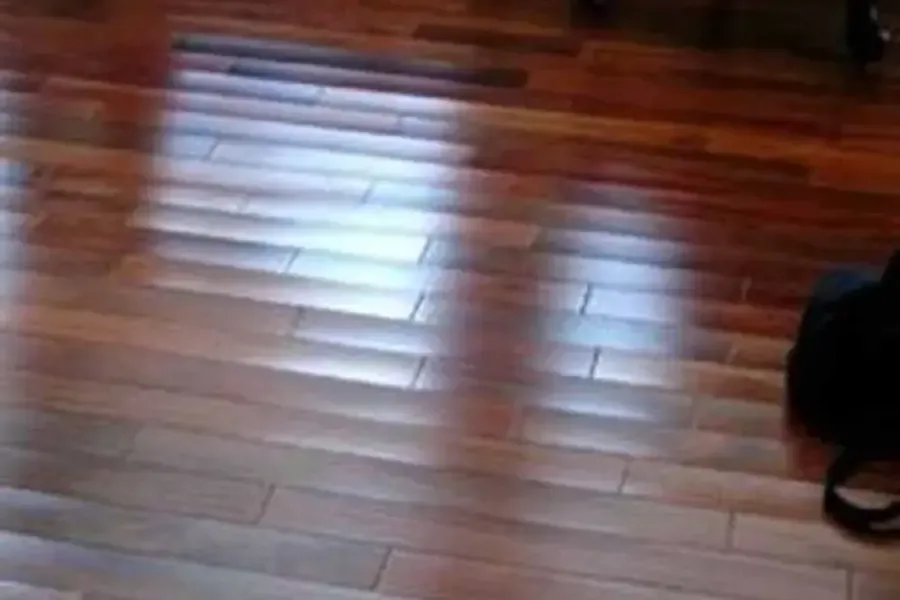
First steps for hardwood floor water damage
- Remove surface water safely. Accessible clean water should not remain on the boards while assessment is arranged. Electrical concerns or contamination require controlled handling before occupants enter the wet floor area or operate equipment nearby.
- Document the board changes. Photograph raised edges, lifted sections and finish discoloration from a safe position. Note the apparent source and wet boundary so later changes can be compared with the floor's starting condition.
- Keep the assembly open to assessment. Avoid covering the wet area with rugs or replacement materials. The inspection may need access at edges or below the floor to understand how moisture is held beneath the boards.
- Postpone sanding and refinishing. The floor needs a moisture and condition assessment before surface correction. Early sanding can misjudge temporary distortion, while new coatings can restrict the escape of water still present within the assembly.
How hardwood floor water damage is handled
Identify the wood and supporting layers
The assessment records the flooring type, finish condition and underlying construction where accessible. Water source and contamination are considered before salvage decisions. Measurements at wet and appropriate reference areas help describe the starting condition, while visible distortion is photographed for comparison as the assembly responds to treatment.
Establish a practical drying route
Surface extraction removes accessible water, but the retained floor needs a path for moisture beneath the finish. Equipment selection and placement account for coatings, joints and underside access. Selective removal may be necessary when a layer prevents treatment or when damaged boards cannot remain in the final repair.
Track changes through the assembly
Material readings are monitored alongside room humidity and visible board movement. The drying arrangement changes if the substrate remains wet while the face appears improved. Notes distinguish moisture progress from cosmetic condition, keeping the decision about sanding or replacement separate from the operation of the drying equipment.
What does hardwood floor water damage cost in Woodland Park, NJ?
Hardwood water damage restoration in Woodland Park depends on floor construction, wet area and retained material condition. The ranges cover mitigation planning; sanding, refinishing and replacement flooring should be distinguished from extraction and drying when the estimate is prepared.
For a closer planning number, run the water damage cost calculator. The restoration contractor who responds sets the real scope after the walkthrough and the moisture map.
Hardwood Floor Water Damage restoration sequence
- 01
Identify the wood and supporting layers
The assessment records the flooring type, finish condition and underlying construction where accessible. Water source and contamination are considered before salvage decisions. Measurements at wet and appropriate reference areas help describe the starting condition, while visible distortion is photographed for comparison as the assembly responds to treatment.
- 02
Establish a practical drying route
Surface extraction removes accessible water, but the retained floor needs a path for moisture beneath the finish. Equipment selection and placement account for coatings, joints and underside access. Selective removal may be necessary when a layer prevents treatment or when damaged boards cannot remain in the final repair.
- 03
Track changes through the assembly
Material readings are monitored alongside room humidity and visible board movement. The drying arrangement changes if the substrate remains wet while the face appears improved. Notes distinguish moisture progress from cosmetic condition, keeping the decision about sanding or replacement separate from the operation of the drying equipment.
- 04
Prepare a flooring repair handoff
The final assessment identifies retained sections, removed material and any remaining distortion or finish damage. Drying records accompany that description so the flooring contractor can evaluate the next work. Replacement, sanding and coating decisions can then respond to the stabilized assembly rather than an early surface impression during mitigation.
A wood floor can change shape as moisture reaches different parts of the board. At a Woodland Park property near Garret Mountain Reservation, inspection begins with the installed flooring type and the water path. Raised edges are recorded alongside readings from the supporting assembly below.
Learn what the floor is built over
Wood installed over another wood layer presents different access questions from flooring adhered above concrete. Coatings and underlayment can restrict moisture movement. The drying plan should identify those layers before assuming that airflow across the finished face will reach the wet material underneath.
Maple Avenue and Browertown Road are local corridors, but the floor construction is established inside the individual room. The assessment looks at transitions, accessible edges and adjoining spaces to find where the water spread beneath an apparently continuous finished surface.
Keep shape changes separate from drying completion
Boards may respond unevenly while moisture redistributes. Sanding raised edges too early can create a different uneven surface as the assembly dries. Finish work should follow a suitable assessment of the wood and substrate, with measurements supporting the decision rather than the first improvement in appearance.
- Record cupping, gaps and lifted areas before furniture is relocated.
- Inspect beneath rugs that can conceal a wet patch on the floor.
- Check adjoining room transitions where moisture can cross beneath the covering.
- Discuss access below the floor when the building layout permits it.
Make retention decisions board by board where practical
Contamination, delamination or severe deformation can make replacement necessary. Other sections may remain if they can be dried effectively and meet the intended repair requirements. The scope should identify those distinctions and explain any removal needed to reach the substrate.
The final handoff combines drying records with observations about the finish and remaining defects. A flooring professional can then plan sanding, refinishing or replacement using the documented condition of the assembly.
Safety planning starts with Ready.gov flood precautions; household water-use checks appear at EPA WaterSense.
Related water damage services in Woodland Park
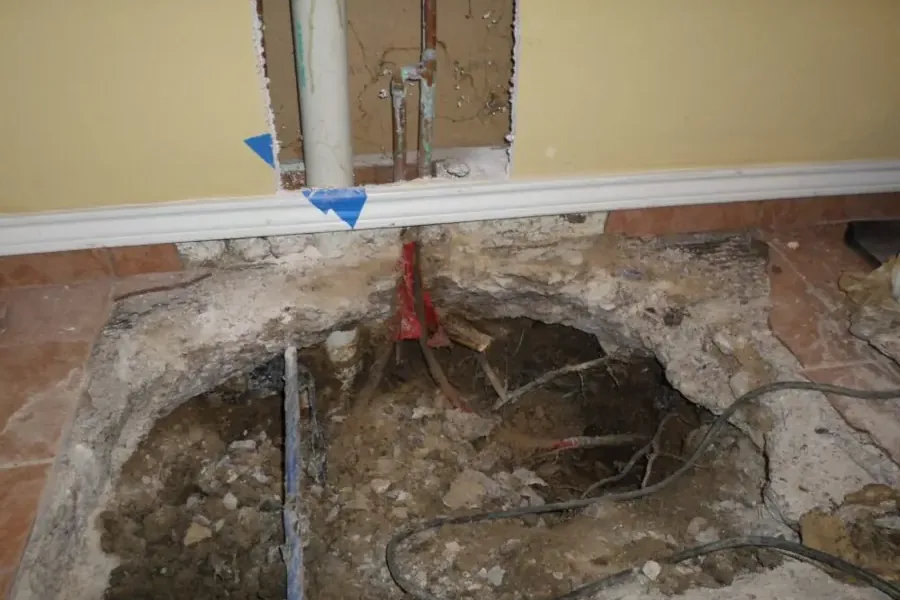 Slab Leak Water Damage in Woodland ParkSlab leak restoration addresses water that has escaped beneath or through a concrete floor assembly. Plumbing diagnosis identifies the source; extraction, selective access and controlled drying address the materials already affected.
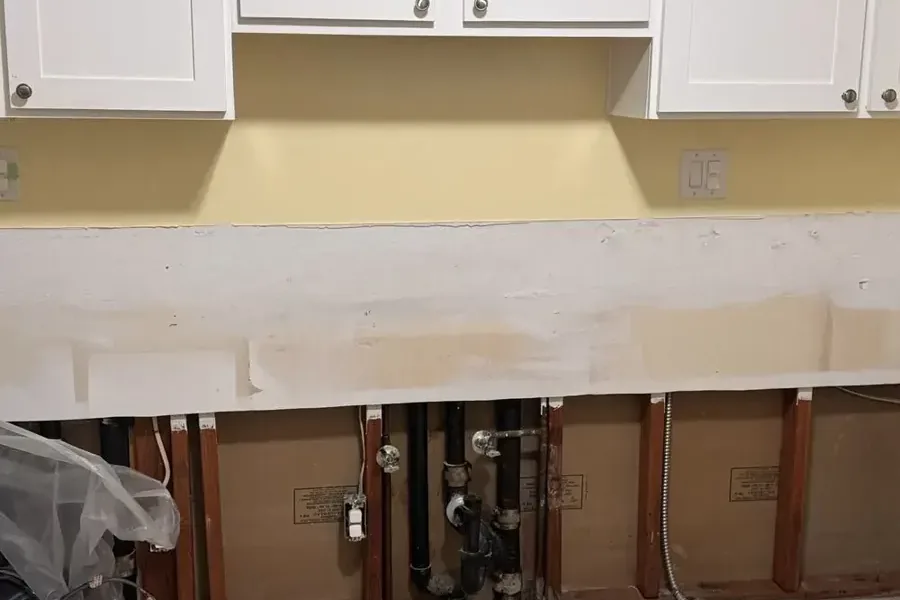 Appliance Leak Water Damage in Woodland ParkAppliance cleanup addresses escaped water from supply connections, drains and equipment failures. The water source affects contamination decisions, while the cabinet and floor construction determine how technicians reach and dry concealed moisture.
Hardwood Floor Water Damage in CaldwellHardwood restoration evaluates moisture across the floor assembly, including board surfaces, backing and subfloor access. Salvage depends on contamination, attachment, distortion and whether the affected layers can dry without leaving concealed moisture.
Hardwood floor water damage in Woodland Park, NJ
Woodland Park hardwood assessments include properties near Garret Mountain Reservation, along Maple Avenue and around Browertown Road, with decisions based on the floor assembly found inside each room.
The same service nearby: hardwood floor water damage in Caldwell, Totowa, Clifton.
Water damage restoration in Woodland Park · every town coveredHardwood Floor Water Damage questions
Can cupped hardwood always be saved?
Retention depends on flooring type, water condition and damage. Some boards respond to controlled drying, while others remain deformed or lose integrity. The assessment should explain the expected treatment and identify where replacement may be needed after moisture conditions are evaluated.
Why avoid sanding while the boards are damp?
Moisture related distortion can change as the floor dries. Sanding before the assembly is assessed may remove material from a temporarily raised edge and leave an uneven result later. Surface repair should be coordinated with moisture readings and the flooring professional's evaluation.
Does a dry finish mean the subfloor is dry?
The surface may lose moisture before underlying layers do. Underlayment or a subfloor can remain wet beneath an apparently dry face. Measurements at accessible layers help determine whether the drying plan has reached the whole assembly rather than just its visible surface.
Should rugs be put back to protect the floor?
A rug can conceal moisture and restrict evaporation from the affected area. Keep the wet section accessible for inspection and treatment. Furniture protection and room use should be discussed without covering the surfaces that still need readings or controlled drying access.
Can water travel into another room under the boards?
Yes, depending on the assembly and water path. Thresholds and connected flooring deserve inspection when wetting approaches them. The cleanup boundary follows actual readings and material condition, which can extend beyond the visible puddle or the room where the leak started.
Does sewage contact change hardwood decisions?
Contamination affects whether porous materials can be effectively cleaned and retained. A sewage affected assembly needs controlled handling before ordinary drying decisions. The scope should explain material removal and treatment requirements rather than applying the same approach used for a contained clean supply leak.
What is handed to the flooring contractor afterward?
Useful records describe the floor construction, moisture measurements, removed sections and remaining visible defects. The contractor can use that condition record when planning repairs. Sanding, refinishing and replacement should be clearly separated from the mitigation already completed around the wet assembly.
Check the moisture below the visible boards
A measured drying record helps coordinate floor retention, selective replacement and later finishing work with the actual condition of the assembly.
(888) 471-9821Plan a floor assembly assessmentCaldwell Water Damage Restoration
Caldwell, NJ and nearby Essex County
(888) 471-9821 · open 24/7
Water and sewage losses only
Find us on Google