Slab Leak Damage in Woodland Park
Damp floor edges or recurring moisture can call for investigation below the finished surface. Woodland Park slab leak restoration coordinates plumbing access with assessment of flooring, concrete and adjoining wall materials.
(888) 471-9821Discuss concealed floor moisture- Locate the water source
- Assess layered flooring
- Coordinate repair access
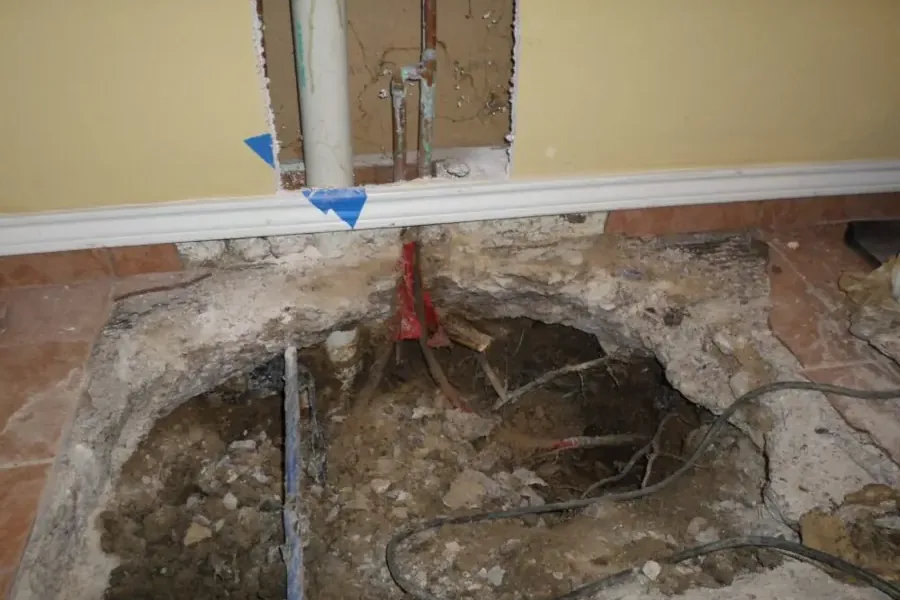
First steps for slab leak water damage
- Record the recurring signs. Note where dampness returns, which finishes have changed and whether nearby plumbing use affects the pattern. Photographs help preserve the visible condition before flooring or trim is removed.
- Arrange source location. A plumbing assessment should establish the suspected leak position and repair access. Restoration measurements can help describe the wet boundary around that work without replacing the source diagnosis.
- Protect adjoining occupied spaces. Concrete access and wet material handling require an organized work area. Clean contents and walkways should be protected before the repair opening or removal of damaged flooring begins.
- Delay replacement finishes. The substrate and adjoining layers need a moisture assessment after the source repair. Reinstalling flooring too early can conceal conditions that still require access and controlled drying.
How slab leak water damage is handled
Compare source and moisture findings
The plumbing diagnosis is considered alongside the visible floor changes and moisture map. This identifies the repair area and the broader restoration boundary. Notes distinguish the suspected water path from the materials actually tested so access decisions can be explained before removal starts.
Open only the necessary layers
Damaged coverings and trim are assessed for removal where they prevent treatment or have lost integrity. Work around the pipe access is coordinated with the repair contractor. Clean rooms remain separated from debris handling, and the exposed substrate is checked for continued wetting after repair.
Manage evaporation from retained materials
The drying setup considers concrete, wood, adhesive and surrounding wall bases individually. Air movement and dehumidification support moisture release where the assembly allows it. A dense or layered floor may need a different approach from an open surface, with adjustments based on the observed response.
What does slab leak water damage cost in Woodland Park, NJ?
Slab leak restoration in Woodland Park depends on the wet floor area, trapped layers and access needed around the repair. These ranges address water damage work; leak location, plumbing excavation and replacement finishes should be identified separately in the written estimate.
For a closer planning number, run the water damage cost calculator. The restoration contractor who responds sets the real scope after the walkthrough and the moisture map.
Slab Leak Water Damage restoration sequence
- 01
Compare source and moisture findings
The plumbing diagnosis is considered alongside the visible floor changes and moisture map. This identifies the repair area and the broader restoration boundary. Notes distinguish the suspected water path from the materials actually tested so access decisions can be explained before removal starts.
- 02
Open only the necessary layers
Damaged coverings and trim are assessed for removal where they prevent treatment or have lost integrity. Work around the pipe access is coordinated with the repair contractor. Clean rooms remain separated from debris handling, and the exposed substrate is checked for continued wetting after repair.
- 03
Manage evaporation from retained materials
The drying setup considers concrete, wood, adhesive and surrounding wall bases individually. Air movement and dehumidification support moisture release where the assembly allows it. A dense or layered floor may need a different approach from an open surface, with adjustments based on the observed response.
- 04
Document readiness for the next trade
Readings are recorded at relevant locations before the opening is covered or flooring work begins. The handoff identifies retained materials, removed layers and any unresolved moisture pockets. Finish installation can then be planned around the substrate condition and the requirements of the selected replacement system.
A floor that repeatedly becomes damp needs a source investigation before replacement finishes are ordered. In Woodland Park, the assessment at a property on Maple Avenue starts with the actual floor assembly and nearby plumbing, including whether a concealed supply leak is responsible for the moisture.
Map the damp area before opening concrete
Visible changes can include lifted flooring, swollen trim or a persistent wet joint. Those clues help establish an inspection area, but plumbing location and moisture measurements shape the access plan. An opening should serve a defined purpose rather than chase every mark across the room.
The borough announced a scheduled June 1, 2026 start for the Cedarhurst Avenue Water Main Replacement Project. Private building repairs follow their own diagnosis. The plumber's access requirements and the restoration moisture map should be compared so the work addresses the source and the surrounding wet materials.
Follow water outward from the repair area
Water can spread beneath coverings before appearing at an edge. Flooring adhesive, underlayment and base trim may respond differently to that exposure. The assessment records each affected layer and looks for a practical drying path, particularly where dense surfaces restrict evaporation from the substrate.
- Compare damp floor edges with unaffected areas of similar construction.
- Identify coverings that conceal moisture at the concrete surface underneath.
- Inspect adjoining wall bases when staining follows the room perimeter.
- Keep excavation work coordinated with protection of clean occupied rooms.
Plan for the finish that will return
A room near Rifle Camp Park may have a different floor system from another property. The replacement material's requirements matter when deciding whether the substrate is ready. Drying records should therefore describe the surface tested and the condition of the remaining assembly.
Repairing the pipe, closing the concrete opening and installing new flooring are separate milestones. The restoration scope can explain how moisture will be checked between them. This prevents a newly finished surface from concealing wet layers left beyond the plumbing access area.
Safety planning starts with Ready.gov flood precautions; household water-use checks appear at EPA WaterSense.
Related water damage services in Woodland Park
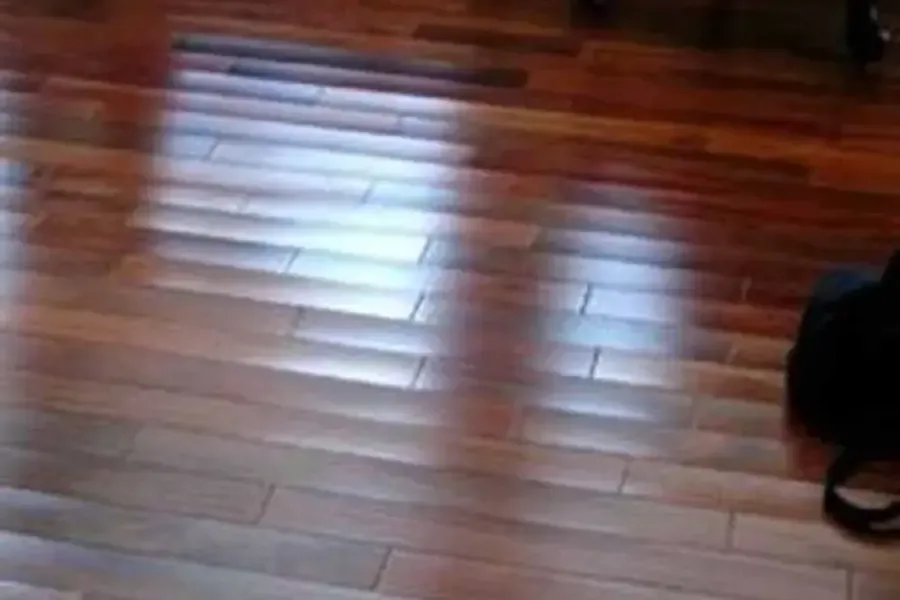 Hardwood Floor Water Damage in Woodland ParkHardwood restoration evaluates moisture across the floor assembly, including board surfaces, backing and subfloor access. Salvage depends on contamination, attachment, distortion and whether the affected layers can dry without leaving concealed moisture.
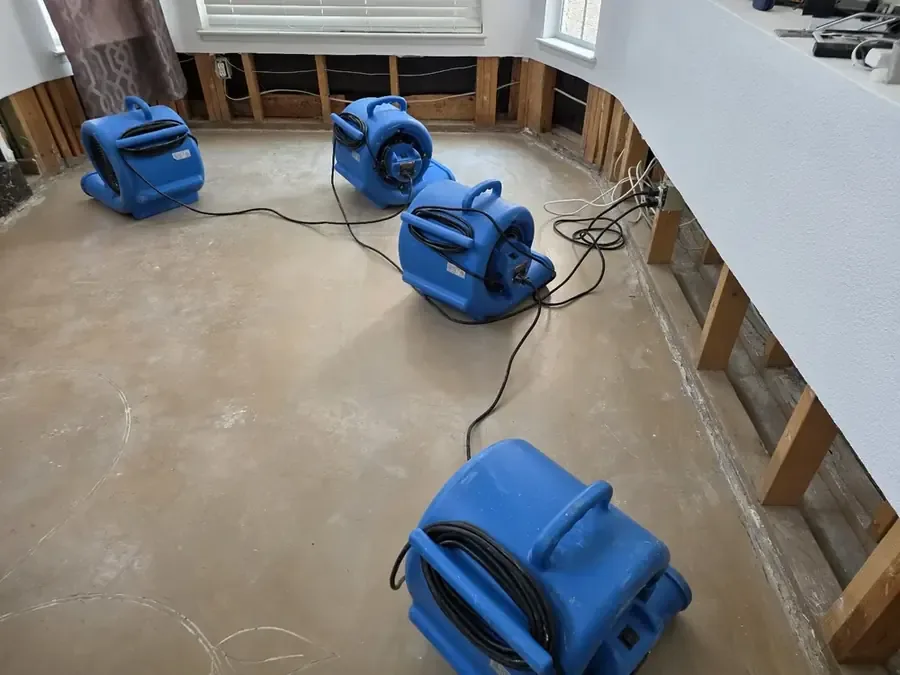 Structural Drying in Woodland ParkStructural drying removes retained moisture from salvageable building materials after source control and extraction. Air movement, dehumidification and temperature management work together, with repeated measurements showing whether the affected assembly is responding.
Slab Leak Water Damage in CaldwellSlab leak restoration addresses water that has escaped beneath or through a concrete floor assembly. Plumbing diagnosis identifies the source; extraction, selective access and controlled drying address the materials already affected.
Slab leak water damage in Woodland Park, NJ
Woodland Park slab leak damage assessments consider each building's floor construction, available access and adjoining finishes, including properties along Maple Avenue, McBride Avenue and Browertown Road.
The same service nearby: slab leak water damage in Caldwell, Totowa, Clifton.
Water damage restoration in Woodland Park · every town coveredSlab Leak Water Damage questions
Does a damp floor always indicate a slab leak?
Several sources can wet a floor, including nearby appliances, drains or outside entry. The inspection should establish the source before concrete is opened. Moisture patterns help define the affected area, while plumbing diagnosis determines whether a concealed supply repair is necessary.
Why inspect wall trim during a floor leak?
Water moving below a covering can reach the perimeter and soak wall bases. Swollen trim may reveal that path. Checking those edges helps include adjoining materials in the restoration scope instead of focusing entirely on the opening made for the pipe repair.
Can the floor covering stay in place?
That depends on its condition and whether it blocks drying. Some coverings retain moisture beneath them or lose their bond after wetting. The assessment should explain whether drying in place is practical and what readings will support the decision to retain the material.
Who determines where the concrete is opened?
The plumbing repair plan establishes the access needed to reach the failed component. Restoration findings describe the affected finishes and moisture around it. Coordinating those tasks helps avoid repeated disruption while keeping source repair and building drying clearly identified in the scope.
Will concrete dry as quickly as exposed wood?
Different materials release moisture at different rates, and surface coatings can further affect drying. The plan should respond to actual readings instead of one fixed schedule. Measurements at relevant locations help determine when the retained assembly is ready for the next stage.
Should new flooring cover a lingering dark patch?
Appearance alone is not enough to judge readiness. A patch may need moisture testing and inspection of adjoining layers before replacement flooring is installed. The handoff should identify the tested surface and any remaining issue that needs attention before it is concealed.
What records belong with the slab leak job?
Keep the source diagnosis, repair invoice, photographs of opened layers and moisture records together. The restoration scope should distinguish removal, drying and finish work. That record helps the owner understand what was repaired below the floor and what was treated around it.
Coordinate the pipe access with material drying
A defined moisture map helps connect the concealed repair to the surrounding surfaces that still need treatment and inspection before closure.
(888) 471-9821Discuss slab damage next stepsCaldwell Water Damage Restoration
Caldwell, NJ and nearby Essex County
(888) 471-9821 · open 24/7
Water and sewage losses only
Find us on Google