Slab Leak Water Damage in Totowa
A damp floor edge deserves investigation before concrete is opened. In Totowa, an underfloor leak assessment should establish the source, trace affected layers and explain how repair access will connect with drying.
(888) 471-9821Discuss moisture under the floor- Source tracing
- Floor layer assessment
- Controlled repair access
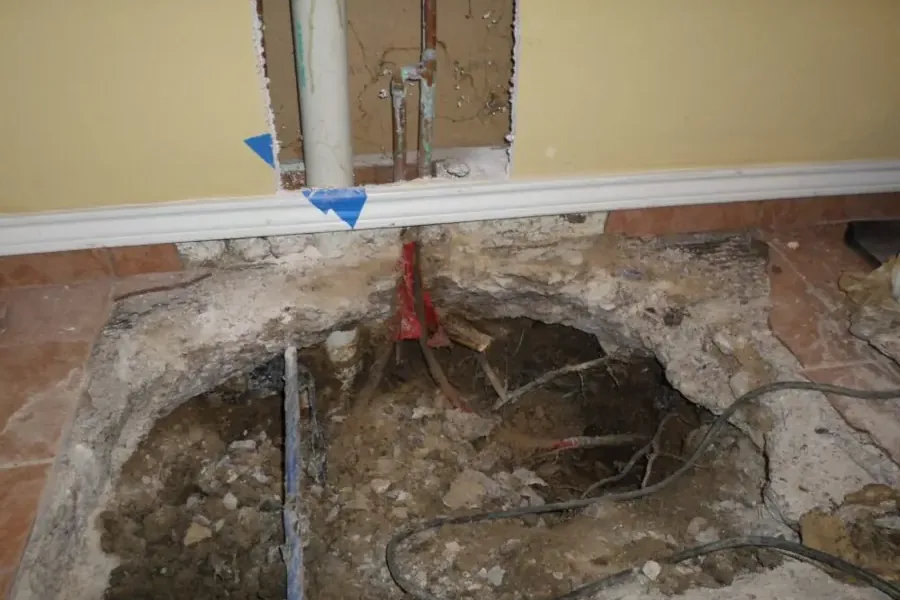
First steps for slab leak water damage
- Document the first floor change. Note the seam, baseboard or surface where dampness appeared and whether it changes after water use. Photos can help preserve the original pattern before access work begins.
- Avoid guessing at concealed pipework. Opening a floor without locating the release can create unnecessary damage. A plumbing investigation should establish the source and the intended repair route before cleanup access is expanded.
- Protect the affected floor boundary. Loose finishes and lifted edges can become trip hazards. Keep the area clear of heavy belongings that hide wet sections or prevent inspection of the floor perimeter.
- Coordinate the next repair stage. The owner can discuss proposed improvement work with the Building Department and request a scope that separates pipe access, retained material drying and the replacement of damaged finishes.
How slab leak water damage is handled
Connect symptoms with source findings
The damage assessment records the wet floor pattern and incorporates the plumbing investigation. It identifies which materials are present and where the source repair will create access. That coordination helps distinguish a practical inspection opening from unnecessary removal based only on the visible surface stain.
Uncover the affected layers
Floor finishes are evaluated for retention and access. Where removal is needed, the exposed area allows inspection of the substrate, adjoining walls and concealed moisture paths. Water that can be extracted is removed, and the scope is adjusted to the conditions actually revealed beneath the covering.
Track the slower drying surfaces
The drying arrangement accounts for dense materials and layers that release moisture differently. Measurements should revisit meaningful locations rather than only the easiest exposed edge. Changes in readings help determine whether access is adequate and whether the repaired source has stopped feeding moisture into the assembly.
What does slab leak water damage cost in Totowa, NJ?
Slab leak water damage cleanup in Totowa uses planning ranges from $1,500 to $7,500+. Concealed spread, adhered floor layers and access restrictions influence the scope. Source location, pipe repair and rebuilding the opened floor should be itemized separately from water damage treatment.
For a closer planning number, run the water damage cost calculator. The restoration contractor who responds sets the real scope after the walkthrough and the moisture map.
Slab Leak Water Damage restoration sequence
- 01
Connect symptoms with source findings
The damage assessment records the wet floor pattern and incorporates the plumbing investigation. It identifies which materials are present and where the source repair will create access. That coordination helps distinguish a practical inspection opening from unnecessary removal based only on the visible surface stain.
- 02
Uncover the affected layers
Floor finishes are evaluated for retention and access. Where removal is needed, the exposed area allows inspection of the substrate, adjoining walls and concealed moisture paths. Water that can be extracted is removed, and the scope is adjusted to the conditions actually revealed beneath the covering.
- 03
Track the slower drying surfaces
The drying arrangement accounts for dense materials and layers that release moisture differently. Measurements should revisit meaningful locations rather than only the easiest exposed edge. Changes in readings help determine whether access is adequate and whether the repaired source has stopped feeding moisture into the assembly.
- 04
Prepare the floor for reinstatement
The handoff records material conditions and the extent of the opening. Replacement flooring needs a suitable substrate and compatibility with its installation requirements. Any remaining plumbing or construction work is identified so the owner understands which stage follows drying and which costs belong to that stage.
Floor moisture can become visible at the edge of a room even when the source is concealed elsewhere. A dark seam, damp baseboard or lifted finish needs investigation of the assembly beneath it. The cleanup plan should develop from that investigation instead of assuming every wet floor has the same foundation.
Establish the release before choosing an opening
The Building Department in Totowa states that permits are needed for most property improvements. When repair planning involves opening and restoring a floor, the proposed scope can be discussed with that department. Existing permit history is available through Construction Permit Self Service.
Washington Park School, Union Boulevard and the Public Library provide familiar location references for a property conversation. Inside the building, useful details are more specific: which floor edge changed, whether the dampness returns and what the plumber has found about the concealed water source.
Understand the layers receiving the water
Finished flooring, adhesive, underlayment and the supporting surface can respond differently to wetting. The assessment identifies the actual materials present and checks adjacent walls where moisture has reached the perimeter. A surface reading alone cannot describe a covered layer that remains inaccessible.
- Map the visible change before lifting or removing floor finishes.
- Connect plumbing access with the moisture inspection wherever practical.
- Assess adhered materials for damage as well as remaining dampness.
- Leave a defined repair opening that allows the retained assembly to dry.
Delay covering until the substrate is ready
The pipe repair addresses the release; the floor still needs a material assessment. Moisture measurements and product requirements inform when replacement finishes can be installed. Applying a covering too early can trap remaining moisture and complicate a repair that otherwise appears complete.
Where wood flooring is involved, wet floor assessment may become part of the same scope. Owners should receive a clear separation between source location, plumbing repair, drying and reinstatement so concealed damage does not disappear into an unexplained single allowance.
Safety planning starts with Ready.gov flood precautions; household water-use checks appear at EPA WaterSense.
Related water damage services in Totowa
 Hardwood Floor Water Damage in TotowaHardwood restoration evaluates moisture across the floor assembly, including board surfaces, backing and subfloor access. Salvage depends on contamination, attachment, distortion and whether the affected layers can dry without leaving concealed moisture.
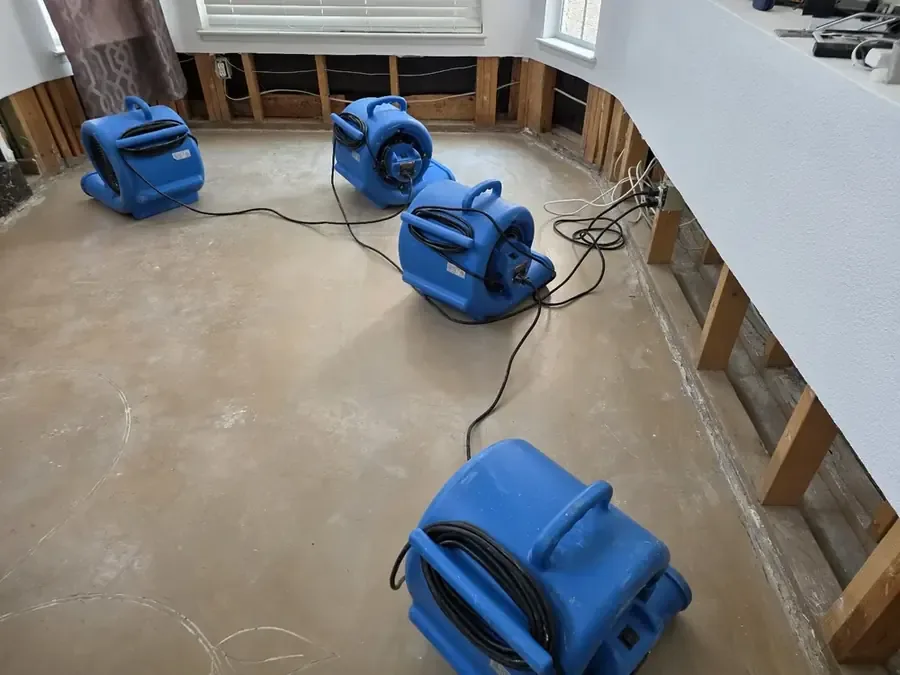 Structural Drying in TotowaStructural drying removes retained moisture from salvageable building materials after source control and extraction. Air movement, dehumidification and temperature management work together, with repeated measurements showing whether the affected assembly is responding.
Slab Leak Water Damage in CaldwellSlab leak restoration addresses water that has escaped beneath or through a concrete floor assembly. Plumbing diagnosis identifies the source; extraction, selective access and controlled drying address the materials already affected.
Slab leak water damage in Totowa, NJ
Around Washington Park School, Union Boulevard and Cherba Place, property owners can describe the wet floor location and available access without needing to identify the concealed pipe themselves.
The same service nearby: slab leak water damage in Caldwell, Woodland Park, North Caldwell.
Water damage restoration in Totowa · every town coveredSlab Leak Water Damage questions
Does a damp floor always mean a slab leak?
Several water sources can produce a damp floor edge. The release must be traced before labeling the damage or planning concrete access. Cleanup assessment looks at the wet pattern and affected materials while the plumbing investigation establishes whether concealed pipework is involved.
Must all flooring be removed for inspection?
The answer depends on the material, its condition and how moisture can be assessed underneath it. Some areas may allow limited access; others conceal wet layers that cannot be treated in place. The scope should explain each proposed opening and its purpose.
What can a property owner document beforehand?
Useful details include when the wet area appeared, whether it returns and which adjacent finishes have changed. Photos taken before a covering is lifted preserve the original pattern. Plumbing findings should be saved with those records to connect source repair and cleanup work.
Why inspect the wall next to the floor?
Water can reach wall bases and move into absorbent trim or wallboard at the perimeter. The room may therefore need more than floor drying. Inspection of the adjoining assembly helps define the repair boundary and prevents a damp wall edge from being covered prematurely.
Does a repaired pipe mean flooring can return?
The source repair and substrate readiness are different decisions. Remaining moisture and damage in the floor assembly need assessment before a new finish is installed. The drying record should provide useful material information for the installer and identify any unresolved access limitations.
Who can address questions about improvement permits?
The borough Building Department states that most property improvements need permits. Owners can discuss the proposed repair scope with that department and use Construction Permit Self Service to view existing permit history. The conversation should focus on the work actually planned at the property.
How is an estimate kept understandable?
Separate the investigation, pipe repair, material removal, drying and rebuilding portions. Concealed findings can change the scope, so an adjustment should name the newly exposed condition. This makes the reason for additional work clear before a floor repair expands into adjacent spaces.
Give the concealed moisture a defined scope
A coordinated assessment ties source access to drying and leaves a clearer path for restoring the floor after the affected layers have been evaluated.
(888) 471-9821Discuss underfloor damage accessCaldwell Water Damage Restoration
Caldwell, NJ and nearby Essex County
(888) 471-9821 · open 24/7
Water and sewage losses only
Find us on Google