North Caldwell Slab Leak Water Damage
Damp flooring over concrete needs a source investigation before an opening is chosen. The cleanup plan should connect plumbing access with the finishes, adhesives and wall bases already affected by escaping water.
(888) 471-9821Discuss the damp floor assembly- Source location
- Floor layer assessment
- Targeted access planning
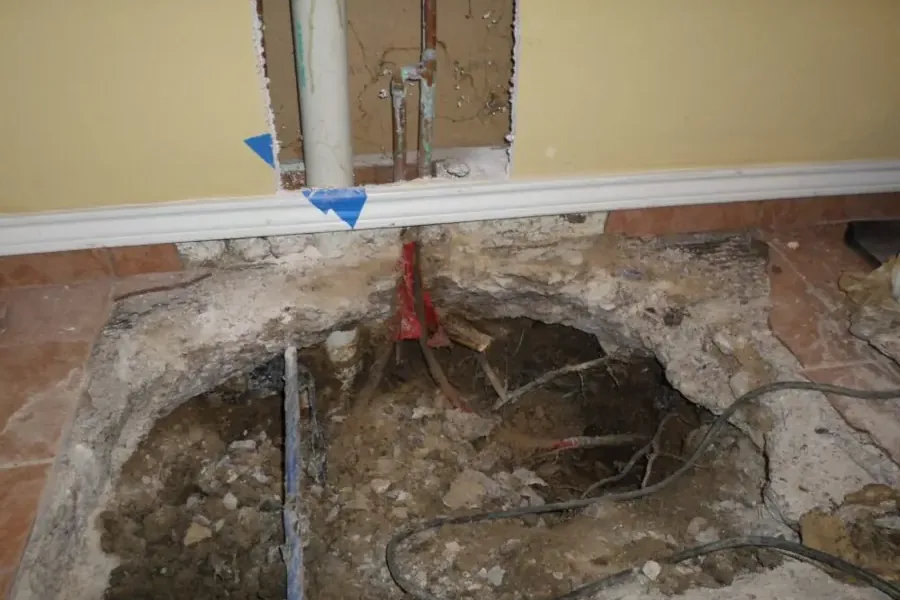
First steps for slab leak water damage
- Describe the floor symptoms. Note where moisture, lifting or staining first appeared and whether the area changes during water use. Provide those observations without cutting into concrete or removing heavy fixed furnishings.
- Arrange plumbing source assessment. A qualified plumbing assessment should establish the suspected source and repair route. Share the findings with the cleanup contact so access work and affected-material checks can be coordinated.
- Protect the room boundary. Keep household traffic away from loose flooring and wet electrical equipment. Move only safe, dry items from the work route and leave damaged layers available for inspection.
- Keep the repair opening accessible. Once the pipe is repaired, surrounding materials still need evaluation. Confirm the drying handoff before the opening and adjacent floor finishes are covered by reconstruction work.
How slab leak water damage is handled
Compare source findings with symptoms
The inspection brings together plumbing observations and the visible floor changes. The assessor identifies the floor assembly, affected room edges and any unsafe surfaces. That establishes a starting map before access work changes the finish or exposes the concrete below it.
Plan selective floor access
Removal decisions account for the damaged finish, adhesive condition and ability to reach retained layers. The plumbing opening and restoration boundary are coordinated but documented separately. This helps explain why the repair may be localized while cleanup extends along the room perimeter.
Address moisture in retained materials
Accessible water is removed and suitable materials receive a drying approach based on their construction. Readings track the affected layers and adjacent walls. Equipment placement and further access are adjusted when a concealed area remains wet or a finish prevents effective drying.
What does slab leak water damage cost in North Caldwell, NJ?
Slab leak water damage planning in North Caldwell depends on wet floor layers, access and the size of the affected boundary. These restoration ranges distinguish limited edge wetting from concealed spread. Leak detection, plumbing repair and concrete reconstruction need clear inclusion or exclusion.
For a closer planning number, run the water damage cost calculator. The restoration contractor who responds sets the real scope after the walkthrough and the moisture map.
Slab Leak Water Damage restoration sequence
- 01
Compare source findings with symptoms
The inspection brings together plumbing observations and the visible floor changes. The assessor identifies the floor assembly, affected room edges and any unsafe surfaces. That establishes a starting map before access work changes the finish or exposes the concrete below it.
- 02
Plan selective floor access
Removal decisions account for the damaged finish, adhesive condition and ability to reach retained layers. The plumbing opening and restoration boundary are coordinated but documented separately. This helps explain why the repair may be localized while cleanup extends along the room perimeter.
- 03
Address moisture in retained materials
Accessible water is removed and suitable materials receive a drying approach based on their construction. Readings track the affected layers and adjacent walls. Equipment placement and further access are adjusted when a concealed area remains wet or a finish prevents effective drying.
- 04
Provide a flooring handoff
After source repair and drying assessment, the record identifies remaining material conditions and reconstruction needs. Flooring installation may have product-specific substrate requirements that the installer must check. The restoration handoff should make the affected assembly understandable before replacement materials conceal it again.
A wet floor edge may be the first visible sign of a problem beneath the finish. Before concrete is opened, the assessment needs to establish where the water originates and how the floor is assembled. The damaged area and the best plumbing access point may be different places.
Start with this property's floor construction
North Caldwell has predominantly single-family land use. A home on Mountain Avenue may present a different flooring assembly from a property reached through Gould Avenue. The assessment should identify the actual concrete, underlayment and finish layers before deciding how trapped moisture can be reached.
A damp baseboard, lifted floor seam or persistent wet patch can help define the inspection area. Those observations should be recorded alongside plumbing findings, with adjoining rooms checked where the same floor continues beneath doorways or built-in cabinetry.
Keep leak location separate from removal limits
The plumbing professional determines the repair access needed for the pipe. Restoration then considers the water that has spread outside that opening. Removing a small section of concrete may expose the failure while leaving a much broader area of wet flooring to assess.
- Record changes in floor appearance before moving contents or lifting finishes.
- Identify adhesives and layered materials that affect the drying approach.
- Inspect wall bottoms where moisture reaches the perimeter of the room.
- Keep the work route clear of opened flooring and repair debris.
Rebuild over a measured condition
East Greenbrook Road is another local coverage reference. At the property, decisions should follow the repaired pipe and the remaining moisture in each affected layer. A surface that feels dry can still cover a damp assembly that is unsuitable for immediate replacement flooring.
The scope should state what testing and access support the final handoff. Where wood finishes were affected, hardwood floor assessment may add material-specific decisions. Documentation should connect the leak repair, retained layers and installation requirements so the repair contractor can plan the next stage around the actual condition beneath the finish.
Safety planning starts with Ready.gov flood precautions; household water-use checks appear at EPA WaterSense.
Related water damage services in North Caldwell
 Hardwood Floor Water Damage in North CaldwellHardwood restoration evaluates moisture across the floor assembly, including board surfaces, backing and subfloor access. Salvage depends on contamination, attachment, distortion and whether the affected layers can dry without leaving concealed moisture.
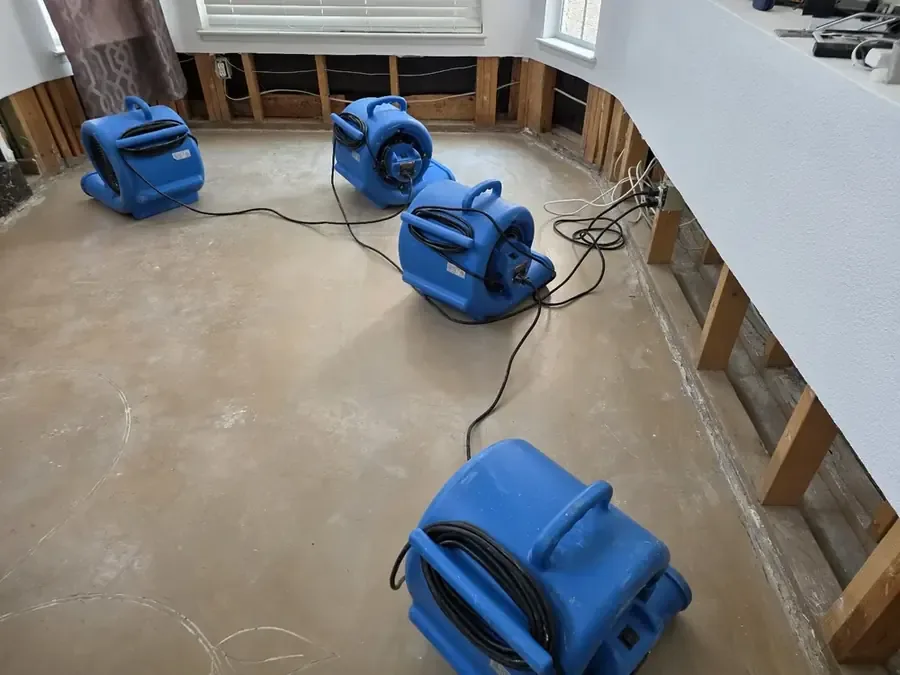 Structural Drying in North CaldwellStructural drying removes retained moisture from salvageable building materials after source control and extraction. Air movement, dehumidification and temperature management work together, with repeated measurements showing whether the affected assembly is responding.
Slab Leak Water Damage in CaldwellSlab leak restoration addresses water that has escaped beneath or through a concrete floor assembly. Plumbing diagnosis identifies the source; extraction, selective access and controlled drying address the materials already affected.
Slab leak water damage in North Caldwell, NJ
North Caldwell properties around Mountain Avenue, Gould Avenue and East Greenbrook Road can describe floor symptoms and access restrictions when arranging an assessment of suspected below-floor water damage.
The same service nearby: slab leak water damage in Caldwell, Totowa, Woodland Park.
Water damage restoration in North Caldwell · every town coveredSlab Leak Water Damage questions
Does damp flooring always mean a slab leak?
Several sources can wet a floor, including nearby fixtures and water traveling from another room. The plumbing investigation and material inspection need to establish the cause. A damp patch by itself should not determine where concrete is opened or repaired.
Must the entire concrete floor be removed?
The repair access depends on the located pipe problem and the actual construction. Restoration removal depends on damaged finishes and moisture access. Those boundaries should be explained separately so a homeowner understands what each opening is intended to accomplish.
Can floor coverings hide the wet boundary?
Continuous coverings and underlayment can allow water to spread beyond the first visible patch. Edges, transitions and nearby wall bottoms need checking. The inspection should compare material readings across the affected area instead of relying only on surface appearance.
What happens after the pipe is repaired?
The surrounding assembly still needs a moisture assessment. Damaged coverings may require removal, while suitable retained materials may be dried. The repair should remain coordinated with restoration until the floor and adjacent walls are ready for their next finish layers.
Can a wet wood floor be retained?
Retention depends on the wood product, exposure, distortion and underlying layers. A floor assessment can identify whether drying is practical or replacement is needed. Sanding or fastening should wait until the moisture condition and stability of the assembly are understood.
Who checks requirements for structural repair?
The borough Building Department issues permits for structural repairs and remodeling. The responsible repair professional should confirm requirements for the proposed work. Plumbing access and reconstruction need coordination when the job changes structural elements or opens a significant floor area.
Why might the estimate change after opening?
Concealed layers can reveal more wetting or damage once finishes are lifted. Any added work should be explained with findings and photographs before the scope is expanded. The initial estimate should describe how such discoveries will be documented and addressed.
Plan the repair beneath the finish
The next step should connect leak location, selective access and material readings before new flooring covers the area affected by escaping water.
(888) 471-9821Discuss below-floor cleanup accessCaldwell Water Damage Restoration
Caldwell, NJ and nearby Essex County
(888) 471-9821 · open 24/7
Water and sewage losses only
Find us on Google