North Caldwell Hardwood Floor Water Damage
Raised edges and uneven boards need more than a cosmetic decision. The wood product, water exposure and subfloor condition determine whether drying is practical and when repair or replacement choices can be made.
(888) 471-9821Discuss the changing wood floor- Wood product assessment
- Subfloor moisture checks
- Repair timing decisions
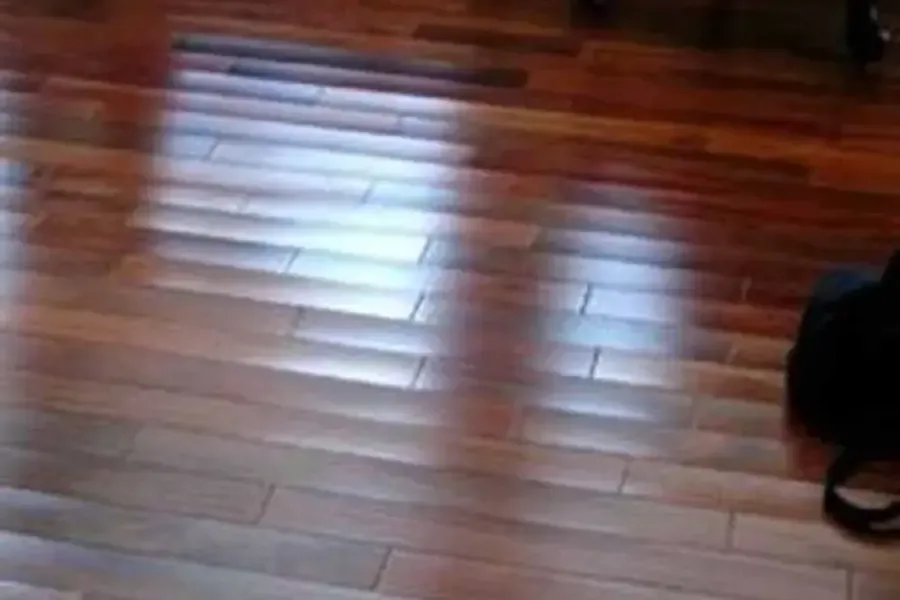
First steps for hardwood floor water damage
- Stop the source and protect access. Address the water source through a safe shutoff or qualified repair contact. Keep traffic away from lifted or loose boards and avoid dragging heavy furnishings across the affected finish.
- Record the floor changes. Photograph raised seams, discoloration and the edge of the wet area. Note which rooms share the same floor and whether the appearance has changed since the water was discovered.
- Identify the flooring product. Keep any available flooring paperwork or repair information for the assessment. Product type, installation method and supporting layers help determine practical drying access and later repair or replacement choices.
- Delay cosmetic alterations. Do not sand or force distorted boards back into position before moisture and stability are assessed. Coordinate those decisions with the restoration findings and the flooring professional responsible for repairs.
How hardwood floor water damage is handled
Identify product and exposure
The assessment records the wood product, available installation details and water source. Visible distortion and room connections are mapped before work alters the floor. The condition of adjoining unaffected material can help interpret the findings within this particular building and its indoor environment.
Assess the supporting layers
Moisture checks extend beyond the finish surface to accessible subfloor and underlayment areas. Selective openings may be needed where the assembly prevents inspection or drying. The scope should connect each proposed opening to an affected layer and explain the consequences for later flooring repairs.
Dry suitable retained flooring
Retention decisions account for water condition, damage and access. Suitable materials receive a controlled drying approach with follow-up readings, while unsuitable layers are addressed separately. Equipment adjustments should reflect the assembly's progress and changing condition rather than the appearance of the upper surface alone.
What does hardwood floor water damage cost in North Caldwell, NJ?
Hardwood floor water damage costs in North Caldwell depend on the floor product, wet supporting layers and practical drying access. These ranges support restoration planning; replacement boards, sanding and refinishing should be clearly included or separated in the written estimate.
For a closer planning number, run the water damage cost calculator. The restoration contractor who responds sets the real scope after the walkthrough and the moisture map.
Hardwood Floor Water Damage restoration sequence
- 01
Identify product and exposure
The assessment records the wood product, available installation details and water source. Visible distortion and room connections are mapped before work alters the floor. The condition of adjoining unaffected material can help interpret the findings within this particular building and its indoor environment.
- 02
Assess the supporting layers
Moisture checks extend beyond the finish surface to accessible subfloor and underlayment areas. Selective openings may be needed where the assembly prevents inspection or drying. The scope should connect each proposed opening to an affected layer and explain the consequences for later flooring repairs.
- 03
Dry suitable retained flooring
Retention decisions account for water condition, damage and access. Suitable materials receive a controlled drying approach with follow-up readings, while unsuitable layers are addressed separately. Equipment adjustments should reflect the assembly's progress and changing condition rather than the appearance of the upper surface alone.
- 04
Coordinate the flooring repair decision
The restoration record identifies material readings, removed sections and any remaining distortion. A flooring professional then considers stability and product requirements before sanding, refinishing or replacement. This handoff keeps the cosmetic repair tied to the moisture condition of the boards and their supporting construction.
A wood floor can change shape as moisture moves through its layers. The raised edge that catches attention is only part of the assessment. The floor product, fastening or adhesive arrangement and condition underneath the boards all influence what restoration can achieve and which repair decisions should wait.
Start with the installed assembly
Single-family homes dominate North Caldwell land use. At a property near Walker's Park or along Mountain Avenue, the assessment should establish the actual wood product and subfloor rather than assume the same assembly throughout the home. A remodeled room may connect to a different floor beyond the doorway.
Gould Avenue is another local service reference. For the floor inspection, useful details include when the water was discovered, where boards changed shape and whether the same finish continues into adjoining rooms. Photographs help preserve the initial pattern before drying or removal alters it.
Look beneath the visible distortion
A dry surface can sit above wet underlayment or a damp supporting layer. Moisture checks and selective access help establish that condition. The plan should explain whether retained boards can be dried effectively and what openings are needed to reach the assembly below them.
Water condition also affects retention. A floor exposed to contaminated water requires different material decisions from a contained supply release. Visible cupping alone should not become the sole reason either to discard every board or to promise that all flooring can remain.
Time the finish work around stability
Sanding, fastening and refinishing need a flooring professional's assessment after moisture conditions are understood. Premature cosmetic work can obscure the changing assembly. Where a broader wet structure is involved, material drying should stay coordinated with floor decisions. The handoff should identify readings, remaining distortion and any replacement boundaries before the repair contractor chooses the final finish work.
Safety planning starts with Ready.gov flood precautions; household water-use checks appear at EPA WaterSense.
Related water damage services in North Caldwell
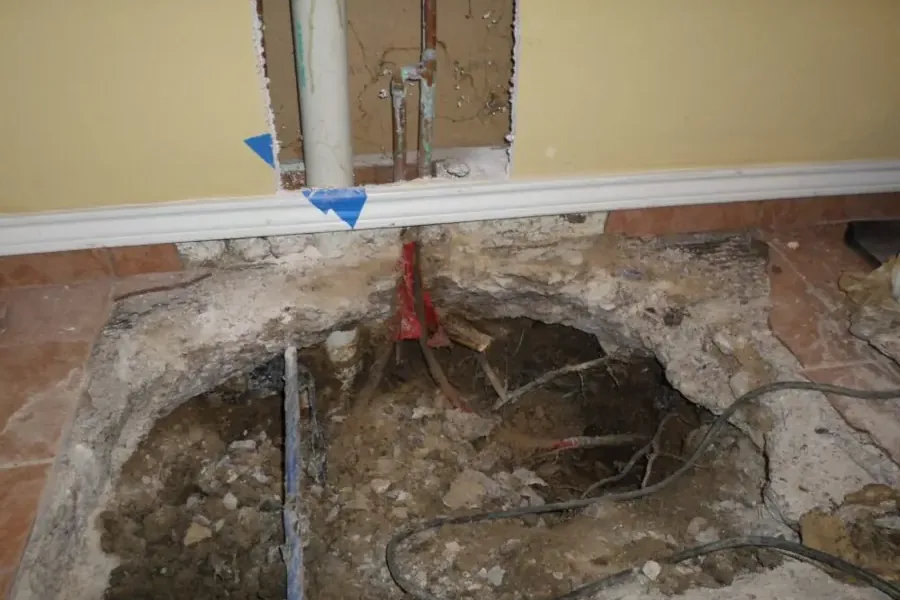 Slab Leak Water Damage in North CaldwellSlab leak restoration addresses water that has escaped beneath or through a concrete floor assembly. Plumbing diagnosis identifies the source; extraction, selective access and controlled drying address the materials already affected.
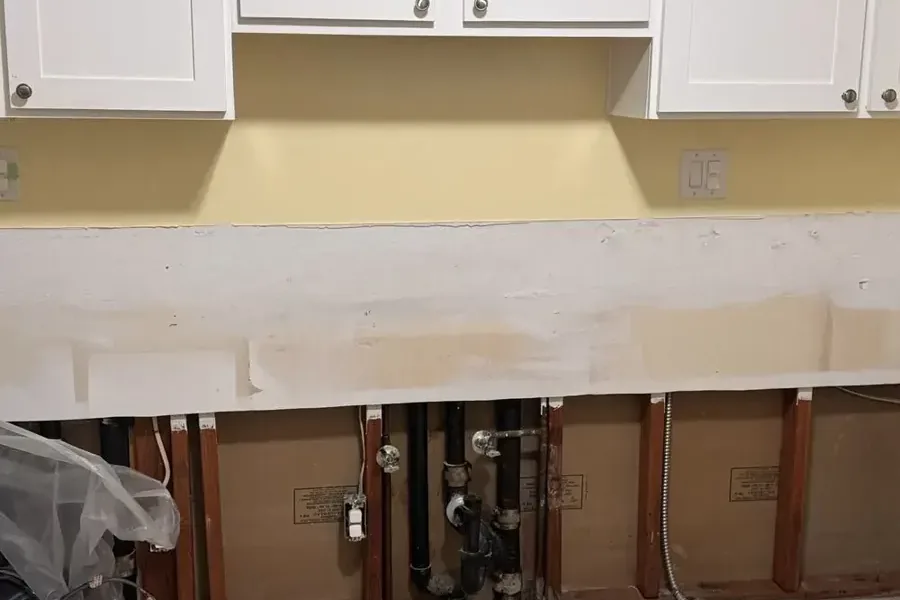 Appliance Leak Water Damage in North CaldwellAppliance cleanup addresses escaped water from supply connections, drains and equipment failures. The water source affects contamination decisions, while the cabinet and floor construction determine how technicians reach and dry concealed moisture.
Hardwood Floor Water Damage in CaldwellHardwood restoration evaluates moisture across the floor assembly, including board surfaces, backing and subfloor access. Salvage depends on contamination, attachment, distortion and whether the affected layers can dry without leaving concealed moisture.
Hardwood floor water damage in North Caldwell, NJ
North Caldwell wood floor assessments can be planned near Walker's Park, Mountain Avenue and Gould Avenue, with the floor product, visible changes and connected rooms described during the call.
The same service nearby: hardwood floor water damage in Caldwell, Totowa, Woodland Park.
Water damage restoration in North Caldwell · every town coveredHardwood Floor Water Damage questions
Can cupped boards flatten during drying?
The outcome depends on the product, exposure, distortion and supporting assembly. Some floors may improve as moisture conditions change, while others need replacement. The assessment should explain the retention decision and track the material rather than promise a particular cosmetic result.
Should the floor be sanded while it is raised?
Sanding should wait for assessment of moisture and stability. Removing material while boards are changing can complicate the eventual repair. The flooring professional should use the restoration findings and product requirements to decide when finish work is appropriate for the assembly.
Why test below boards that feel dry?
The surface can lose moisture while the layers underneath remain affected. Trapped water can also continue along connected flooring. Checking accessible supporting materials helps establish whether drying access is adequate and whether the visible finish hides a broader wet area.
Does all connected flooring need replacement?
The decision should follow the product, damage and moisture boundary. Continuous appearance alone does not settle retention or replacement. The inspection should explain which layers are affected, which can be reached for drying and how any repair boundary relates to the installed floor.
Can rugs return while drying continues?
Rugs can cover the very areas that need inspection or controlled drying. Keep them off the affected floor until the work plan allows their return. Wet rugs also need a separate contents assessment before they are placed on restored wood or adjacent finishes.
What if the water came from a backup?
Contamination changes the assessment of porous flooring and supporting layers. Drying by itself does not address that exposure. The cleanup plan should establish suitable removal and cleaning decisions before considering whether any part of the wood assembly can be retained.
Which records help the flooring contractor?
Keep the product details, initial damage photographs, removal boundaries and final moisture findings. The record should describe retained layers and any remaining concerns about distortion or access. That information helps the flooring professional plan repair work around the actual restored assembly.
Base the floor repair on measurements
Drying results and product requirements should inform the next repair choice before sanding or replacement changes the affected assembly again.
(888) 471-9821Discuss wood and subfloor moistureCaldwell Water Damage Restoration
Caldwell, NJ and nearby Essex County
(888) 471-9821 · open 24/7
Water and sewage losses only
Find us on Google