Water Heater Cleanup in Woodland Park
A leaking tank can wet the room beyond its base before the problem is noticed. Woodland Park cleanup considers equipment safety, stored belongings and the adjoining materials reached by the escaping water.
(888) 471-9821Discuss the heater room damage- Equipment isolation coordination
- Adjacent floor checks
- Storage area assessment
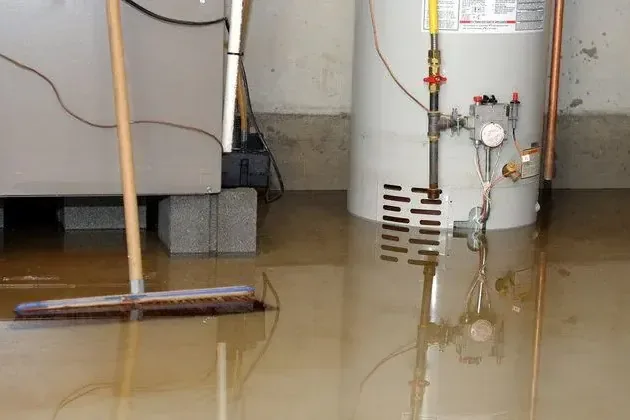
First steps for water heater leak cleanup
- Keep clear of the equipment. Water around a heater may involve hot surfaces or electrical concerns. Avoid reaching through the wet area to operate controls until qualified personnel establish a safe approach to the equipment.
- Describe the active release. Note whether water is still appearing and where it is visible around the base or connections. Those observations help coordinate equipment service with the surrounding material damage assessment.
- Check the storage boundary. From a dry route, identify belongings resting on the wet floor and any adjoining doorway reached by water. Keep affected items separate while their condition is documented and assessed.
- Plan access after replacement. Discuss wet wall and floor surfaces before the new heater occupies the space. Drying access and equipment installation should be coordinated so retained moisture is not concealed behind the replacement.
How water heater leak cleanup is handled
Coordinate heater safety and source control
The release location and equipment condition are discussed with the appropriate service professional. Restoration access is planned around safe utility conditions. The assessment records visible water at the tank, adjoining walls and room exits so the cleanup scope extends to every area reached before source control was established.
Clear water and assess stored contents
Accessible standing water is extracted after the area is safe. Wet storage items are documented and separated from dry belongings. The floor beneath shelving and equipment is checked, because a cleared central area can leave hidden accumulations around objects that were in contact with the water.
Expose adjoining material moisture
Trim, coverings and wall bases are examined for absorbed water or damage. Selective access may be needed where moisture has passed beneath a finish or behind the heater position. The drying arrangement is coordinated with replacement equipment so airflow and inspection points remain available throughout treatment.
What does water heater leak cleanup cost in Woodland Park, NJ?
Water heater cleanup in Woodland Park depends on spread beyond the utility area and damage to adjoining finishes. These ranges cover restoration planning; equipment service, tank replacement and plumbing work should be separated from extraction, material removal and drying costs.
For a closer planning number, run the water damage cost calculator. The restoration contractor who responds sets the real scope after the walkthrough and the moisture map.
Water Heater Leak Cleanup restoration sequence
- 01
Coordinate heater safety and source control
The release location and equipment condition are discussed with the appropriate service professional. Restoration access is planned around safe utility conditions. The assessment records visible water at the tank, adjoining walls and room exits so the cleanup scope extends to every area reached before source control was established.
- 02
Clear water and assess stored contents
Accessible standing water is extracted after the area is safe. Wet storage items are documented and separated from dry belongings. The floor beneath shelving and equipment is checked, because a cleared central area can leave hidden accumulations around objects that were in contact with the water.
- 03
Expose adjoining material moisture
Trim, coverings and wall bases are examined for absorbed water or damage. Selective access may be needed where moisture has passed beneath a finish or behind the heater position. The drying arrangement is coordinated with replacement equipment so airflow and inspection points remain available throughout treatment.
- 04
Complete the room condition record
Material readings track the response after extraction and any necessary removal. Final notes distinguish the equipment work from the building restoration and list remaining finish repairs. The owner can then coordinate the completed heater installation with dry retained surfaces and a clear account of contents decisions made during cleanup.
The puddle around a water heater is only the visible part of the release. At a Woodland Park property on Maple Avenue, inspection may need to follow water beneath stored items or toward an adjoining doorway. The room layout establishes the cleanup boundary around the equipment.
Make equipment access safe before handling water
A heater can involve hot water, electrical components or fuel connections. Qualified equipment attention is needed when those conditions are uncertain. Occupants should avoid wading toward controls or moving the tank while water remains around its base and nearby powered equipment.
The failed tank or connection requires its own repair decision. Restoration addresses what the released water touched: wall bases, shelving feet, floor coverings and stored contents. Separating those scopes helps keep a replacement installation from covering damp surfaces before they have been assessed.
Look underneath storage and adjacent finishes
Boxes can absorb water along their lower edges, while a raised storage unit may hide a puddle beneath it. Inspection around McBride Avenue or Browertown Road properties follows the actual contents arrangement, opening a safe path before moving wet items into another room.
- Photograph the tank area and surrounding floor before equipment removal.
- Check nearby trim for swelling where water reached the wall.
- Separate damaged packaging from dry contents during the inventory process.
- Inspect thresholds when water runs from a utility area into living space.
Coordinate the new equipment with dry surfaces
After source control, extraction removes accessible water and exposes the remaining wet assembly. Drying may need access behind the heater location or below adjoining coverings. Equipment replacement should account for that work rather than making those surfaces inaccessible again.
The closing record can identify the wet area, retained materials and any remaining finish repairs. That gives the owner a clear distinction between the heater service and the restoration completed around it.
Safety planning starts with Ready.gov flood precautions; household water-use checks appear at EPA WaterSense.
Related water damage services in Woodland Park
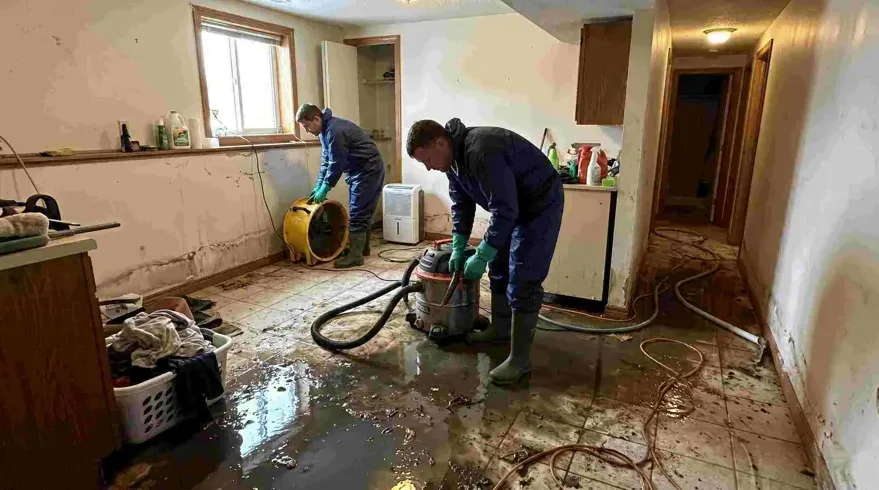 Water Extraction in Woodland ParkExtraction removes liquid water before dehumidifiers manage the moisture left in materials. Crews choose pumps, wands and vacuum tools around water depth, contamination and the surfaces that need protection.
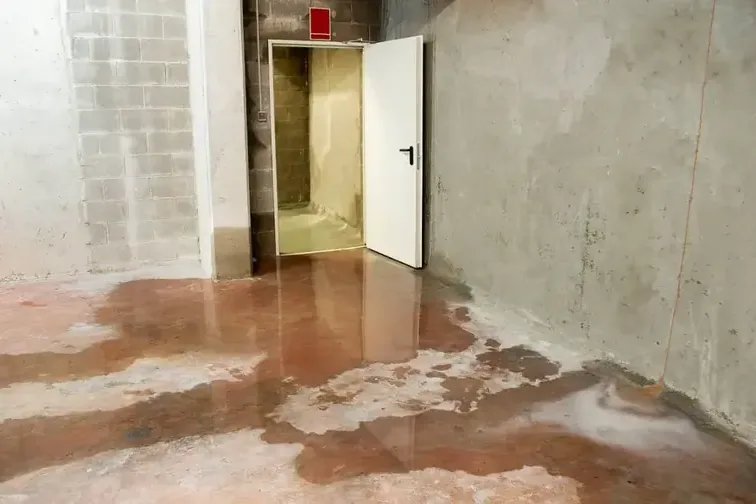 Basement Flooding Cleanup in Woodland ParkBasement cleanup addresses accumulated water and wet materials below the occupied floors above. The source may be plumbing, outside entry or wastewater, and that distinction controls extraction, cleaning and porous-material decisions.
Water Heater Leak Cleanup in CaldwellWater heater cleanup removes escaped water and dries the surrounding building materials. A qualified equipment professional addresses the heater and its energy supply; the restoration contractor handles wet floors, walls and adjoining spaces.
Water heater leak cleanup in Woodland Park, NJ
Water heater cleanup assessments are available throughout Woodland Park, including properties along Maple Avenue and McBride Avenue, with planning based on equipment access and the surrounding wet materials.
The same service nearby: water heater leak cleanup in Caldwell, Totowa, Clifton.
Water damage restoration in Woodland Park · every town coveredWater Heater Leak Cleanup questions
Is water near the tank always from the heater?
A nearby pipe, drain or another source can wet the same floor. Equipment assessment should establish the cause before replacement decisions are made. Restoration follows the observed water spread and checks surrounding materials regardless of which component ultimately requires repair.
Can the tank be replaced before the room dries?
The tasks need coordination. Replacement may be necessary to restore service, but wet surfaces behind or beneath the equipment still require access. Discussing the installation position and drying plan helps avoid covering material that needs inspection or continued moisture treatment.
Should wet cardboard boxes be moved upstairs?
Wet packaging can transfer moisture and residue to clean spaces. Contents should be assessed and documented before movement. A clean handling route and separate storage area help protect unaffected belongings while decisions are made about damaged boxes and the items inside.
Does concrete around the heater need drying?
Concrete can retain moisture after standing water is removed, and adjoining materials may also remain wet. The assessment considers the whole assembly and any finish planned over it. Readings help establish what treatment is needed beyond clearing the visible utility floor.
What if water reached the next room?
The inspection should continue across the threshold and into the adjoining floor layers. Different finishes may require different handling or drying access. The estimate should reflect the connected wet area instead of limiting the scope to the room containing the heater.
Are heater repairs included in restoration pricing?
Equipment repairs or replacement may be separate services. The written scope should identify those responsibilities alongside extraction, contents handling and material drying. Clear separation helps the owner understand which contractor addresses the source and which work restores the surrounding building.
What information is useful during the first call?
Describe whether the release continues, how far water has spread and whether the equipment area is safely accessible. Mention wet storage or adjoining finished rooms. Photographs taken from a dry position can help show the visible conditions without entering the water.
Restore the room around the repaired heater
A complete assessment follows the release beyond the tank and records which materials need removal, drying or later finish repairs.
(888) 471-9821Plan heater leak restorationCaldwell Water Damage Restoration
Caldwell, NJ and nearby Essex County
(888) 471-9821 · open 24/7
Water and sewage losses only
Find us on Google