Water Heater Leak Cleanup in Totowa
A wet tank base may be only the beginning of the damage pattern. In Totowa, heater leak cleanup follows escaped water into adjacent finishes and stored items while the equipment problem receives appropriate professional attention.
(888) 471-9821Discuss the heater area spill- Equipment access assessment
- Adjacent material inspection
- Source repair coordination
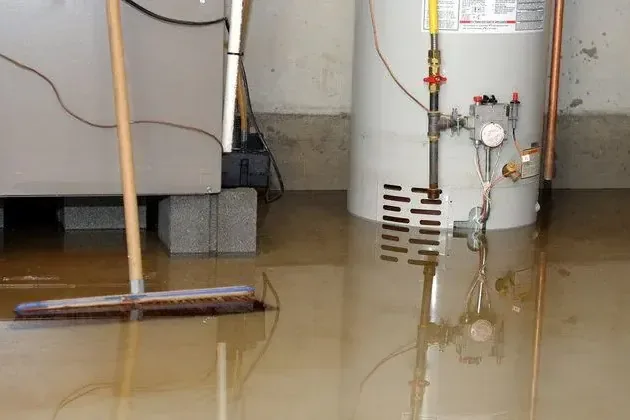
First steps for water heater leak cleanup
- Stay away from wet controls. The owner should avoid operating equipment controls or touching connections while standing water is present. A qualified professional can establish safe access and the appropriate source control for the particular installation.
- Describe the release pattern. The report should distinguish a continuing flow from residual dampness and identify the first visible wet area. Details about nearby walls, stored boxes and doorways help locate the likely spread.
- Keep access around equipment open. Belongings may need relocation where a safe route exists, but heavy items and wet electrical equipment should remain undisturbed until assessed. The work area needs space for both repair and cleanup.
- Plan the floor and wall checks. The cleanup scope should inspect surrounding finishes after the source is controlled, including edges concealed by the heater or stored items, so equipment replacement does not hide remaining wet materials.
How water heater leak cleanup is handled
Coordinate with equipment assessment
The cleanup visit establishes how the leaking source is being controlled and whether the surrounding area can be entered safely. It records the original wet footprint and the materials nearby. Repair access is considered alongside cleanup needs so either task can proceed without obscuring damage relevant to the other.
Remove the accessible spill
Water is extracted from the floor and reachable recesses. Stored contents and nearby trim are inspected for contact with the release. The assessment follows the spill across thresholds and beneath accessible edges, identifying material damage that would remain even after the visible water around the heater has disappeared.
Reach the damp perimeter
Selective access may be needed where water has entered wall bases or covered floor layers. Retained surfaces receive a drying plan suited to their material and exposure. Moisture readings track response around the equipment footprint as well as farther out where runoff reached adjacent rooms or storage areas.
What does water heater leak cleanup cost in Totowa, NJ?
Water heater leak cleanup in Totowa has planning ranges from $800 to $4,500+. The wet footprint, affected floor layers and access around equipment shape the scope. Heater repair or replacement should be priced separately from cleanup and surrounding finish repairs.
For a closer planning number, run the water damage cost calculator. The restoration contractor who responds sets the real scope after the walkthrough and the moisture map.
Water Heater Leak Cleanup restoration sequence
- 01
Coordinate with equipment assessment
The cleanup visit establishes how the leaking source is being controlled and whether the surrounding area can be entered safely. It records the original wet footprint and the materials nearby. Repair access is considered alongside cleanup needs so either task can proceed without obscuring damage relevant to the other.
- 02
Remove the accessible spill
Water is extracted from the floor and reachable recesses. Stored contents and nearby trim are inspected for contact with the release. The assessment follows the spill across thresholds and beneath accessible edges, identifying material damage that would remain even after the visible water around the heater has disappeared.
- 03
Reach the damp perimeter
Selective access may be needed where water has entered wall bases or covered floor layers. Retained surfaces receive a drying plan suited to their material and exposure. Moisture readings track response around the equipment footprint as well as farther out where runoff reached adjacent rooms or storage areas.
- 04
Complete the surrounding damage record
The final notes distinguish equipment repair from water damage treatment. They identify any finish replacement, remaining contents decision or inaccessible material that requires further attention. The owner receives a defined repair boundary for the room instead of assuming an operational replacement heater means the surrounding assembly is ready to close.
Water beside a heater may spread under storage, into a wall base or through a doorway before the tank problem is noticed. The cleanup footprint depends on the actual installation and surrounding surfaces. It should not stop at the circular mark or puddle immediately around the equipment.
Keep equipment handling with the right trade
A heater involves water and an energy supply, so access and source control need appropriate professional attention. Owners should avoid touching wet controls or reaching through standing water. Cleanup can then coordinate with repair or replacement while treating the damage already present around the installation.
Totowa has a municipal Water Department, and the borough buys drinking water from Passaic Valley Water Commission. A leaking heater is assessed at the property. The presence of a municipal supply does not change the need to identify the actual equipment or connection releasing water.
Use the surrounding room to define the work
For a property near the Community Center on Union Boulevard, the Public Library on Cherba Place or Memorial School, the useful description includes the heater's location inside the building. Stairs, doors and stored belongings affect access; no particular floor should be assumed.
- Inspect the floor beneath nearby boxes and furniture bases.
- Follow water along wall edges into adjoining finished areas.
- Separate equipment repair access from material removal decisions.
- Check whether the surface remains wet after the source is controlled.
Finish the room as well as the appliance repair
Replacing a leaking heater can leave moisture under trim or inside adjoining materials. Those surfaces need assessment before new finishes cover the area. The cleanup record should identify retained components and any inaccessible edge beside the equipment.
Where liquid has spread across the floor, water extraction begins the removal work. Drying then addresses the absorbed moisture, with a defined handoff for any wall, floor or storage damage still needing repair after the heater itself is operational.
Safety planning starts with Ready.gov flood precautions; household water-use checks appear at EPA WaterSense.
Related water damage services in Totowa
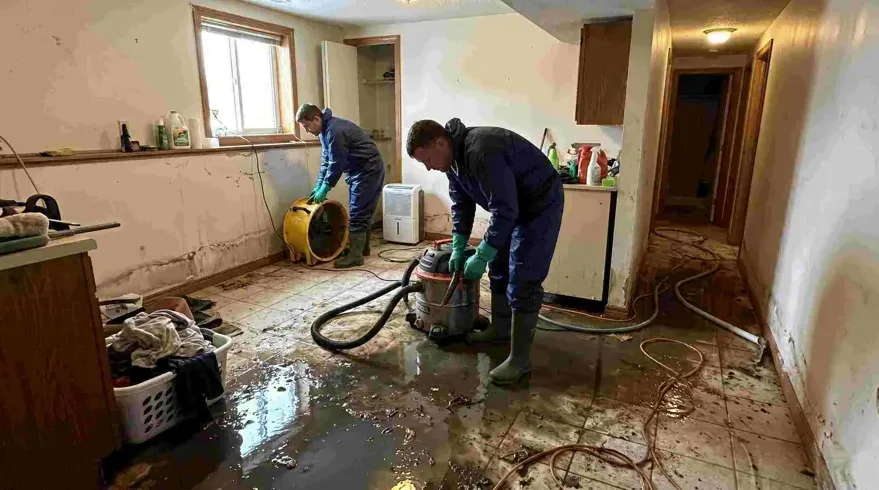 Water Extraction in TotowaExtraction removes liquid water before dehumidifiers manage the moisture left in materials. Crews choose pumps, wands and vacuum tools around water depth, contamination and the surfaces that need protection.
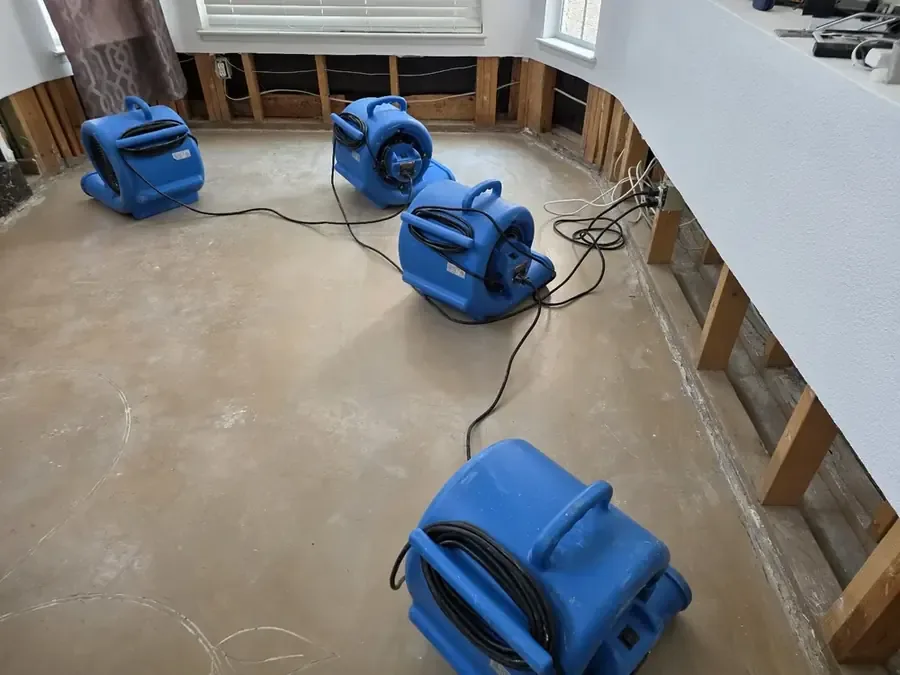 Structural Drying in TotowaStructural drying removes retained moisture from salvageable building materials after source control and extraction. Air movement, dehumidification and temperature management work together, with repeated measurements showing whether the affected assembly is responding.
Water Heater Leak Cleanup in CaldwellWater heater cleanup removes escaped water and dries the surrounding building materials. A qualified equipment professional addresses the heater and its energy supply; the restoration contractor handles wet floors, walls and adjoining spaces.
Water heater leak cleanup in Totowa, NJ
Totowa properties near the Community Center, Cherba Place and Memorial School can describe the heater location and nearby wet materials when discussing cleanup access around the affected equipment.
The same service nearby: water heater leak cleanup in Caldwell, Woodland Park, North Caldwell.
Water damage restoration in Totowa · every town coveredWater Heater Leak Cleanup questions
Does a heater leak always come from the tank?
The tank or a connected component may release water. Professional source assessment establishes the repair needed. Those findings help cleanup follow the water into surrounding finishes instead of relying on the puddle location to define the damage.
Can the heater be moved to reach the water?
Moving connected equipment requires appropriate professional handling and coordination with its supply connections. It should not be attempted simply to wipe beneath the base. The cleanup assessment can identify access needs and coordinate any necessary movement with the trade responsible for the heater.
Why inspect the room next to the installation?
Water can pass beneath a door or along a floor edge before it is noticed beside the heater. An adjoining room may contain more absorbent finishes than the equipment area. Checking that route helps define the actual damage footprint instead of stopping at a doorway.
Will replacing the heater dry the floor?
Replacement controls the equipment problem but does not remove moisture already held by flooring, trim or wall materials. Those components need inspection and potentially drying or removal. The repair record and cleanup record should identify their separate work so the remaining room damage stays visible.
What should be done with wet stored boxes?
Their contents and water exposure need assessment before they are carried into dry rooms. Wet boxes lose strength and conceal damp flooring. Planned relocation creates inspection access and preserves damage records while controlling movement through the property.
Are permits handled as part of the cleanup?
The borough Building Department states that most property improvements need permits. Questions about the actual equipment or repair scope belong with that department and the relevant trade. The cleanup estimate should clearly describe its own work rather than assume it settles all installation requirements.
How can the owner explain the damage clearly?
Describe where the heater sits, what surrounds it and whether water crossed into another area. Mention ongoing flow and any unsafe access conditions. That account helps the assessment connect source control with floor inspection, contents handling and the material drying that may remain after repair.
Resolve the spill around the installation
Water removal and material checks can define the remaining damage after source repair, helping the owner plan the room restoration as clearly as the equipment work.
(888) 471-9821Discuss the heater cleanup footprintCaldwell Water Damage Restoration
Caldwell, NJ and nearby Essex County
(888) 471-9821 · open 24/7
Water and sewage losses only
Find us on Google