North Caldwell Roof Leak Water Damage
Rain entering above a room can wet insulation before a ceiling mark appears. Interior restoration needs to follow that route while roof access and source repairs are handled through a safe, coordinated plan.
(888) 471-9821Plan cleanup below the roof leak- Attic moisture assessment
- Roof repair coordination
- Interior finish protection
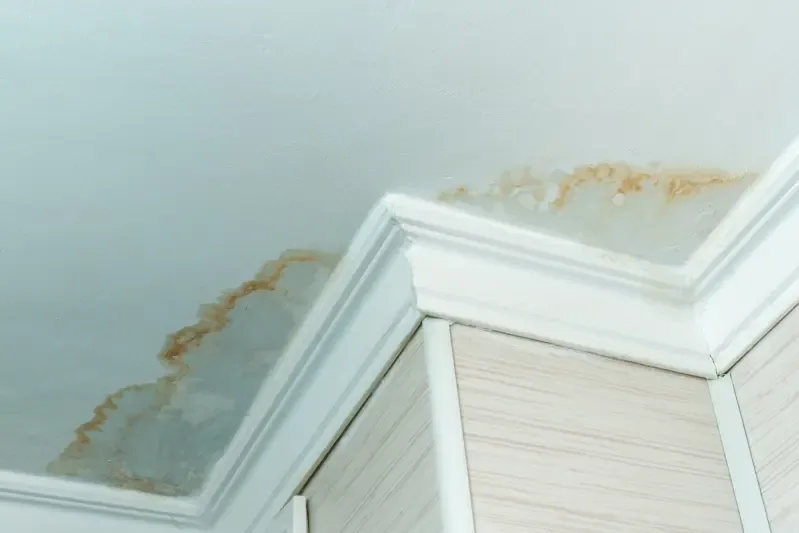
First steps for roof leak water damage
- Stay below safe shelter. Avoid climbing onto a wet roof or crossing an attic with uncertain footing. Keep people away from rooms where water has loosened ceiling material or reached electrical fittings.
- Arrange source protection. A qualified roof professional should assess the entry and safe temporary or permanent repair options. Explain whether rainwater is still entering and which interior spaces have already changed.
- Identify attic access. Describe the hatch location, stored contents and any obstacles to inspection. Do not move into a dark or wet attic simply to locate the drip during unsafe conditions.
- Document interior progression. Photograph stains and wet belongings from a protected position. Note when dripping starts or stops and keep roof repair information with the records for interior cleanup and drying.
How roof leak water damage is handled
Connect roof findings to interior symptoms
The assessment gathers the roof repair status and the timing of visible interior changes. Safe attic and room access are established before inspection. The water path is considered from the entry area through insulation and framing to the finishes that show damage below.
Define removal and protection areas
Affected insulation and ceiling materials are assessed for condition and accessibility. The scope identifies removal boundaries and protection for occupied spaces. Contents handling, debris routes and electrical concerns are coordinated so the opening needed for inspection does not create an uncontrolled work area.
Dry exposed retained materials
After incoming water is controlled, suitable framing and adjoining materials receive a drying arrangement. Equipment is placed for the actual assembly, with readings used to track progress. A persistent wet section may require further access or another source check before the drying plan continues.
What does roof leak water damage cost in North Caldwell, NJ?
Roof leak water damage planning in North Caldwell reflects attic access, insulation condition and the number of affected rooms. These interior restoration ranges should be paired with a written scope that identifies separate roof repair and reconstruction responsibilities.
For a closer planning number, run the water damage cost calculator. The restoration contractor who responds sets the real scope after the walkthrough and the moisture map.
Roof Leak Water Damage restoration sequence
- 01
Connect roof findings to interior symptoms
The assessment gathers the roof repair status and the timing of visible interior changes. Safe attic and room access are established before inspection. The water path is considered from the entry area through insulation and framing to the finishes that show damage below.
- 02
Define removal and protection areas
Affected insulation and ceiling materials are assessed for condition and accessibility. The scope identifies removal boundaries and protection for occupied spaces. Contents handling, debris routes and electrical concerns are coordinated so the opening needed for inspection does not create an uncontrolled work area.
- 03
Dry exposed retained materials
After incoming water is controlled, suitable framing and adjoining materials receive a drying arrangement. Equipment is placed for the actual assembly, with readings used to track progress. A persistent wet section may require further access or another source check before the drying plan continues.
- 04
Coordinate the weatherproof and interior handoffs
The record separates roof repair completion from interior drying results. It identifies remaining reconstruction tasks and the materials ready for closure. The homeowner and repair contractor should understand what has been checked above the ceiling before replacement insulation and finishes conceal the affected path again.
A leak that appears during rain can leave several different wet layers between the roof and the room. The restoration assessment should follow those layers rather than stop at the ceiling mark. Safe roof work, attic inspection and interior cleanup need distinct responsibilities that fit together.
Consider access in a wooded setting
North Caldwell describes its roads as hilly and wooded. Keeping exterior drainage paths clear is part of property maintenance, while an active leak needs inspection of the actual roof entry and interior water route. Household members should remain off wet roofs and unstable attic surfaces.
Mountain Avenue and Courtier Road help locate the building; Liberty Park can serve as another reference during the call. Explain whether the attic has an accessible hatch, stored contents or limited standing space so the inspection route can be planned before equipment arrives.
Separate soaked insulation from sound framing
Insulation can hold water against nearby materials even after visible dripping stops. Its condition and accessibility affect removal decisions. Framing that remains suitable for retention needs exposed drying access and measurements, while failed ceiling finishes require controlled handling below.
- Check the attic path between the entry area and ceiling damage.
- Keep occupied rooms clear of loose overhead finishes and falling debris.
- Document wet insulation before it is removed from the assembly.
- Coordinate electrical assessment where rainwater reaches fixtures or wiring.
Do not close a wet roof-to-room path
Roof repair can stop incoming water while the interior still needs drying. The work record should identify the repaired entry, materials removed and retained areas requiring further attention. A break in rainfall should not become the only completion test.
If the ceiling is affected, overhead water damage cleanup adds attention to the room below. Before insulation or decoration returns, the responsible repair contact should receive a clear account of material readings and any remaining access needs. That sequence connects the roof repair to the condition of the building underneath it.
Safety planning starts with Ready.gov flood precautions; household water-use checks appear at EPA WaterSense.
Related water damage services in North Caldwell
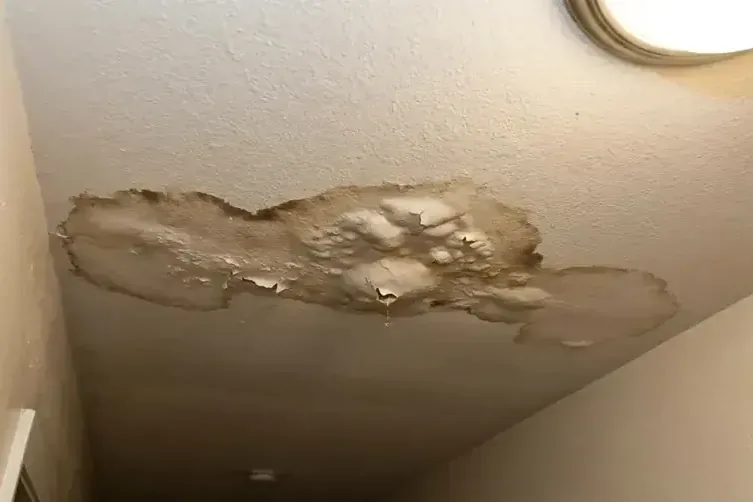 Ceiling Leak Water Damage in North CaldwellCeiling cleanup addresses wet drywall, insulation and framing after an overhead release. The source may sit in a bathroom, supply pipe or another space above the stain, so inspection follows the water path.
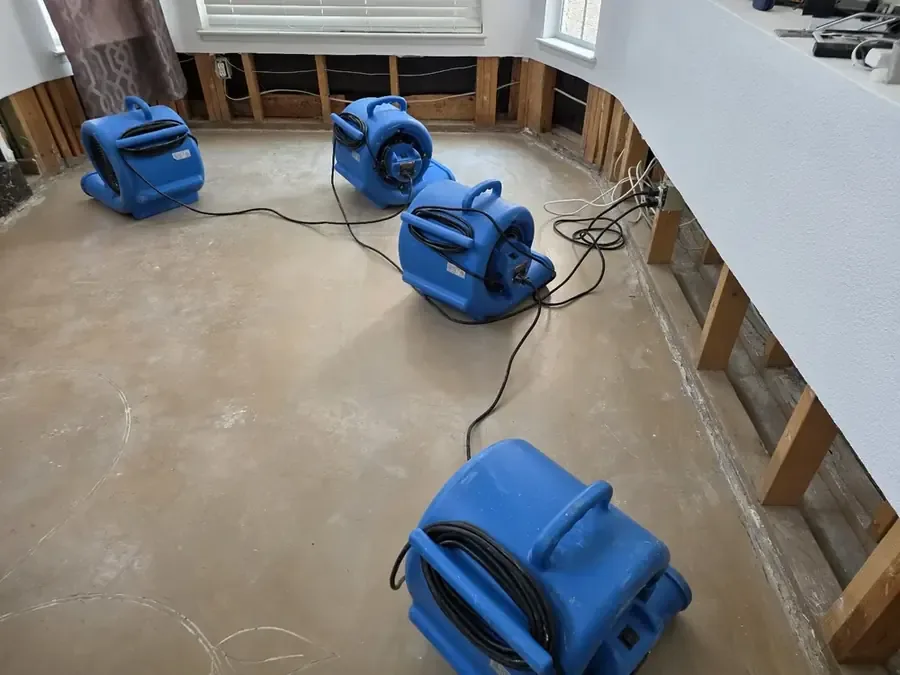 Structural Drying in North CaldwellStructural drying removes retained moisture from salvageable building materials after source control and extraction. Air movement, dehumidification and temperature management work together, with repeated measurements showing whether the affected assembly is responding.
Roof Leak Water Damage in CaldwellRoof-leak restoration treats the interior water damage beneath a failed roof detail. Roofing work controls rain entry; the mitigation scope checks decking, insulation, framing and room finishes that have absorbed water.
Roof leak water damage in North Caldwell, NJ
North Caldwell roof leak requests may reference Mountain Avenue, Courtier Road or Liberty Park, with details about attic access, affected rooms and safe entry into the building.
The same service nearby: roof leak water damage in Caldwell, Totowa, Woodland Park.
Water damage restoration in North Caldwell · every town coveredRoof Leak Water Damage questions
Does interior cleanup include fixing the roof?
The estimate should state the division of work. Roof repairs address rain entry, while restoration addresses wet insulation, framing and finishes inside. The contacts should coordinate access and timing so interior work does not proceed while the entry remains active.
Can the attic be inspected during rain?
Safe access depends on the building and current conditions. Household members should avoid wet roofs, uncertain attic footing and electrical exposure. A qualified assessment can determine which inspection areas are accessible and which need source protection or other safety measures first.
Why remove insulation if the ceiling looks dry?
Insulation can retain water above a surface that no longer shows dripping. Its condition and the ability to dry the surrounding assembly need assessment. Removal may provide access to framing and reveal the extent of wetting hidden above the room.
Does a nearby tree explain the leak?
The entry point should be established by inspection of the actual roof. The wooded local setting makes exterior upkeep relevant, but cleanup planning still needs the specific water path. Roof findings and interior material readings provide the useful basis for the scope.
What if the leak stops between storms?
A pause in rainfall can stop visible dripping without resolving the entry or drying retained materials. Keep the source repair and interior assessment moving. Notes about when water appears help the roof professional investigate while restoration checks the damage already present.
Can the ceiling be patched before the attic dries?
Closing the ceiling can limit access to wet framing and insulation. The retained assembly should be assessed and the source addressed first. The repair handoff should explain material condition and any remaining work before replacement finishes cover the space.
Should stored attic items be moved immediately?
Only safely accessible items should be handled, and wet or heavy contents may need a separate plan. Uncertain flooring, limited light and electrical contact can make entry unsafe. Describe stored contents during the call so access and handling can be considered together.
Dry the path beneath the roof
A useful handoff links roof repair with measured interior progress before insulation and new ceiling finishes return to the affected room.
(888) 471-9821Plan the interior rain cleanupCaldwell Water Damage Restoration
Caldwell, NJ and nearby Essex County
(888) 471-9821 · open 24/7
Water and sewage losses only
Find us on Google