Burst Pipe Cleanup in Woodland Park
A split supply pipe can keep feeding water into hidden spaces until the supply stops. Woodland Park cleanup follows that escape path through walls, flooring and nearby rooms before a drying plan is set.
(888) 471-9821Plan cleanup after the pipe rupture- Source isolation first
- Connected room inspection
- Documented drying progress
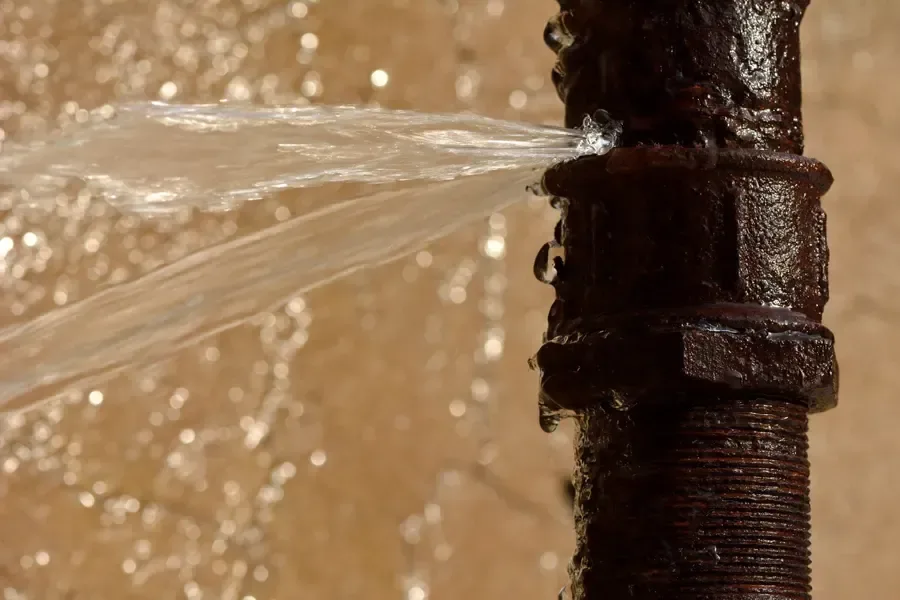
First steps for burst pipe water damage
- Locate safe supply control. A reachable valve can limit the escape when the approach is dry and safe. Nobody should pass wet electrical equipment or unstable finishes to operate a shutoff.
- Arrange the pipe repair. The failed supply connection needs qualified plumbing attention. Keep a description of the failure and any removed parts when practical so the source is documented with the loss.
- Track the spread indoors. Note the room where the rupture occurred and any wet surfaces below or beside it. A ceiling stain elsewhere can indicate travel through a concealed building cavity.
- Leave wet cavities accessible. Premature patching can hide moisture. The drying assessment should address exposed framing and nearby layers before wallboard, trim or flooring closes the area around the repaired pipe.
How burst pipe water damage is handled
Establish the rupture boundary
The source location, supply status and apparent duration are recorded before the damage is mapped. The assessment follows water above, below and beside the failed section. This makes the restoration boundary responsive to the actual release rather than the size of the plumbing opening.
Remove water from accessible surfaces
Extraction targets accumulated water after access is safe. Contents and damaged finishes are assessed for handling or removal, and the cleanup route keeps wet items separated from unaffected areas. Any new water appearance is investigated before equipment setup proceeds as planned.
Create a drying path
Wall, ceiling and floor layers are examined for trapped moisture. Selective openings may allow retained framing or subfloor surfaces to dry effectively. The plan identifies which materials remain, which need replacement and where equipment can move air without obstructing necessary access through the property.
What does burst pipe water damage cost in Woodland Park, NJ?
Burst pipe cleanup in Woodland Park is shaped by the water's travel through the building. Accessible damage in one room differs from wet partitions and connected floors. Estimates should identify extraction, material removal and drying separately from the supply repair.
For a closer planning number, run the water damage cost calculator. The restoration contractor who responds sets the real scope after the walkthrough and the moisture map.
Burst Pipe Water Damage restoration sequence
- 01
Establish the rupture boundary
The source location, supply status and apparent duration are recorded before the damage is mapped. The assessment follows water above, below and beside the failed section. This makes the restoration boundary responsive to the actual release rather than the size of the plumbing opening.
- 02
Remove water from accessible surfaces
Extraction targets accumulated water after access is safe. Contents and damaged finishes are assessed for handling or removal, and the cleanup route keeps wet items separated from unaffected areas. Any new water appearance is investigated before equipment setup proceeds as planned.
- 03
Create a drying path
Wall, ceiling and floor layers are examined for trapped moisture. Selective openings may allow retained framing or subfloor surfaces to dry effectively. The plan identifies which materials remain, which need replacement and where equipment can move air without obstructing necessary access through the property.
- 04
Confirm progress before repair closure
Repeated readings show whether the affected assembly is responding. Equipment placement or access can change when a concealed area remains damp. Completion notes identify the dried materials and separate outstanding reconstruction from the repaired plumbing, giving the owner a useful handoff for the next contractor.
The borough's tax and water department identified 68 leaks during 2023 billing cycles and notified residents. A household rupture needs its own investigation: where supply water escaped, how long it continued and which materials became wet before the valve was closed.
A repaired fitting can leave wet rooms behind
Replacing a damaged pipe stops one problem. Water may already have traveled along a joist, behind wallboard or under a floor covering. Restoration maps that route so a small plumbing access opening does not become the assumed boundary of the damage.
Maple Avenue had municipal water main replacement work during 2023. Inside an individual property, the inspection begins at the failed connection and follows visible staining and moisture readings. Pipe materials, wall construction and floor layers are identified at the building before any removal decisions are made.
Check where pressure pushed the release
A pressurized spray can wet surfaces above the fitting as well as the floor below. Cabinets, insulation and the opposite side of a partition deserve attention when the water path reaches them. A room diagram helps connect the source to separate areas of concealed wetting.
- Document the failed location before discarded parts leave the property.
- Check both sides of affected partitions when access permits inspection.
- Assess ceilings below a release on an upper occupied floor.
- Keep plumbing repair paperwork with the restoration photographs and readings.
Dry the assembly before closing the opening
For a property on Browertown Road or McBride Avenue, the work sequence depends on its actual layout. Extraction clears accessible water; damaged finishes may need selective removal. Retained materials then require airflow and humidity control appropriate to the moisture still inside them.
The final handoff should distinguish the repaired pipe from the dried structure. If a ceiling remains damp or a floor layer still reads wet, finish replacement should wait. The owner needs a clear account of those remaining conditions before authorizing rebuilding or redecorating the room.
Safety planning starts with Ready.gov flood precautions; household water-use checks appear at EPA WaterSense.
Related water damage services in Woodland Park
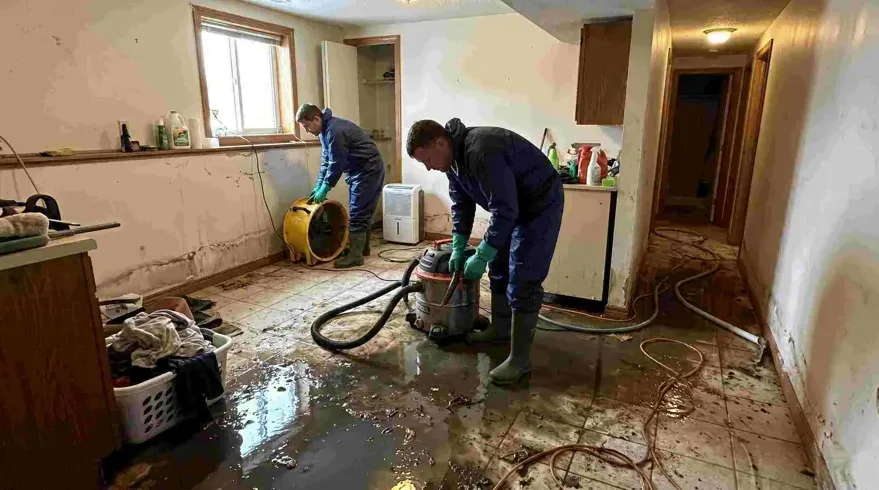 Water Extraction in Woodland ParkExtraction removes liquid water before dehumidifiers manage the moisture left in materials. Crews choose pumps, wands and vacuum tools around water depth, contamination and the surfaces that need protection.
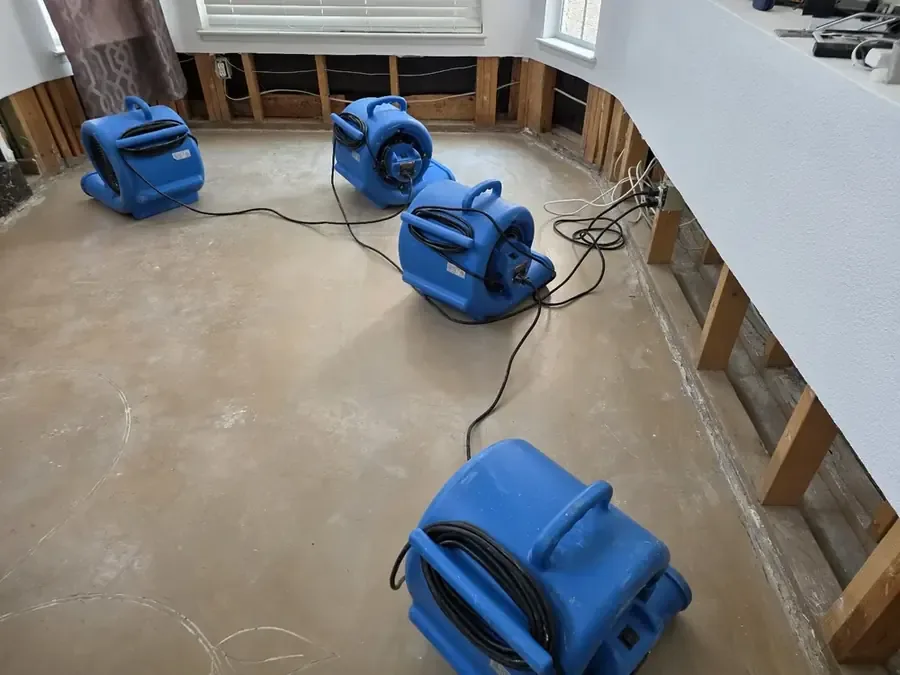 Structural Drying in Woodland ParkStructural drying removes retained moisture from salvageable building materials after source control and extraction. Air movement, dehumidification and temperature management work together, with repeated measurements showing whether the affected assembly is responding.
Burst Pipe Water Damage in CaldwellBurst-pipe cleanup follows pressurized water through cavities, floor openings and room edges. A plumber repairs the damaged pipe while restoration technicians remove escaped water and establish a drying plan for connected materials.
Burst pipe water damage in Woodland Park, NJ
Burst pipe assessments are available for Woodland Park homes and other properties, with room access and ongoing supply conditions discussed before the cleanup scope is prepared.
The same service nearby: burst pipe water damage in Caldwell, Totowa, Clifton.
Water damage restoration in Woodland Park · every town coveredBurst Pipe Water Damage questions
Should the water supply be reopened immediately?
The repaired system needs the appropriate plumbing checks before normal use resumes. Restoration also needs to know whether the release has stopped. If water appears again, the source and wetting boundary require reassessment before the drying plan continues unchanged.
Why inspect a room beside the failed pipe?
Water can cross a floor joint or pass beneath a wall without leaving a large puddle in the first room. Checking connected spaces helps locate that spread. Moisture readings and the building layout determine how far the inspection should extend.
Can clean supply water damage insulation?
Yes. Insulation can retain moisture and obstruct access to wet framing. Its condition, composition and location affect whether it can remain. The assessment should explain removal decisions and identify how the adjoining structure will be dried before the cavity is closed.
Does a small pipe hole mean limited damage?
The opening size does not describe the total release. Continued flow can wet several surfaces before discovery. The cleanup scope depends on the water path, exposure and affected materials, with measurements supporting the boundaries recorded during the initial assessment.
What should happen to the removed fitting?
If keeping it is practical and safe, the owner can ask the plumber to set it aside and document the failure. Photographs and repair paperwork may support the loss record. Contaminated or unsafe items should be handled according to their condition.
Why is the floor checked after wall cleanup?
Water escaping inside a wall may collect at the base and enter the floor assembly. A dry wall surface can therefore coexist with wet underlayment. Floor checks help prevent that hidden moisture from being covered during repairs around the original rupture.
Is repainting included in the mitigation estimate?
Finishing work can be separate from water removal and drying. The estimate should identify what it covers and list reconstruction items clearly. Owners can then coordinate the pipe repair, mitigation and finish replacement using a defined scope for each contractor involved.
Make the repair opening ready to close
Measured drying helps establish when retained materials are ready for finishes after the supply failure has been corrected and documented.
(888) 471-9821Arrange pipe loss assessmentCaldwell Water Damage Restoration
Caldwell, NJ and nearby Essex County
(888) 471-9821 · open 24/7
Water and sewage losses only
Find us on Google