Burst Pipe Water Damage in Clifton
A broken pipe can keep feeding water into a wall long before the floor puddle grows. Cleanup follows the release through connected surfaces after a safe shutoff and plumbing repair plan are established.
(888) 471-9821Explain where the pipe released water- Supply release mapping
- Wall cavity assessment
- Connected floor drying
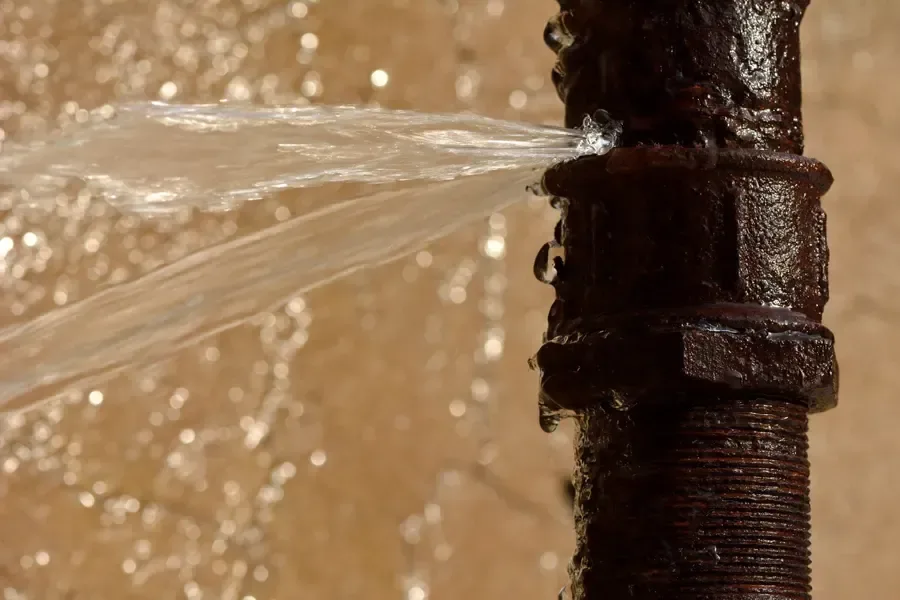
First steps for burst pipe water damage
- Locate a safe shutoff. A reachable valve can limit the release if approaching it does not involve standing water or electrical exposure. Unsafe access requires appropriate help before the supply is handled.
- Keep the failed area accessible. The pipe repair location should remain available for inspection. Covering an opening or moving furniture back too soon can conceal ongoing seepage and restrict access to wet materials.
- Record adjoining wet surfaces. Note stains, swelling and water at thresholds in connected rooms. These observations help identify the release path and connect moisture checks to the visible changes beyond the original damaged pipe fitting.
- Separate drying from rebuilding. Replacement finishes should wait for documented material conditions. The cleanup scope needs to explain what will be dried, what requires removal and which openings must remain accessible meanwhile.
How burst pipe water damage is handled
Establish source control
The assessment records whether the supply has been isolated and whether plumbing repair remains pending. Restoration planning then considers the rooms reached by water and any unsafe utilities. A controlled source allows the moisture boundary to be investigated without fresh water continually changing the conditions.
Follow escape routes
Inspection moves outward from the failed pipe through accessible wall bases and floor junctions. Water appearing elsewhere is connected to the actual building layout. Notes distinguish visible wetting from areas requiring additional access, with particular attention to cavities opened during the plumbing work.
Recover access to wet materials
Standing water is extracted and selected materials are assessed for salvage or removal. Each opening should help expose retained moisture or remove an unsuitable wet layer. Equipment placement then reflects the assembly that remains, including adjoining rooms where the same release has traveled.
What does burst pipe water damage cost in Clifton, NJ?
Burst pipe cleanup in Clifton ranges with the rooms affected and the layers reached by the release. Pipe repair, extraction, selective removal and drying should appear as distinct scope items so the estimate clearly explains the work being authorized.
For a closer planning number, run the water damage cost calculator. The restoration contractor who responds sets the real scope after the walkthrough and the moisture map.
Burst Pipe Water Damage restoration sequence
- 01
Establish source control
The assessment records whether the supply has been isolated and whether plumbing repair remains pending. Restoration planning then considers the rooms reached by water and any unsafe utilities. A controlled source allows the moisture boundary to be investigated without fresh water continually changing the conditions.
- 02
Follow escape routes
Inspection moves outward from the failed pipe through accessible wall bases and floor junctions. Water appearing elsewhere is connected to the actual building layout. Notes distinguish visible wetting from areas requiring additional access, with particular attention to cavities opened during the plumbing work.
- 03
Recover access to wet materials
Standing water is extracted and selected materials are assessed for salvage or removal. Each opening should help expose retained moisture or remove an unsuitable wet layer. Equipment placement then reflects the assembly that remains, including adjoining rooms where the same release has traveled.
- 04
Verify the assembly before closure
Repeated measurements compare affected materials at consistent points. The record should show drying progress and any spaces that remain inaccessible. Finish replacement can then be planned around the documented condition of the structure rather than around the date that the pipe repair was completed.
The location of a broken fitting is not always the boundary of the damage. Pressurized water can enter a partition, run along the bottom of a wall and emerge beyond the room where the pipe failed. The inspection therefore follows the water path before assigning a drying area.
Start with the pipe and the occupied rooms
Dutch Hill is a mostly residential neighborhood near downtown Clifton. In a home there, an indoor pipe failure calls for details about the affected room, continued water flow and the position of nearby utilities. The immediate objective is to stop further wetting without sending anyone through unsafe water.
Rosemawr is also largely residential and falls partly within Allwood. For an occupied property, separating usable rooms from the work area helps organize contents movement and equipment. The actual wall layout determines the cleanup boundary, including any room below the original release.
Distinguish the repair opening from the wet area
A plumber may need a small opening to reach the pipe, while moisture has spread beyond that access point. Restoration checks should extend to adjoining finishes, floor transitions and accessible cavities. Removing an entire wall automatically is no more useful than assuming the plumbing opening reaches every wet material.
- Mark the visible break and the rooms where water appeared.
- Check floor edges behind furnishings before returning contents to place.
- Assess insulation exposed during the repair for retained water.
- Record any inaccessible space that prevents a complete moisture check.
Prepare for the repair stage deliberately
Albion Place sits beside Garret Mountain Reservation. A property there needs the same clear division between pipe correction and water damage work: the source must remain controlled while wet materials dry. The drying record should show affected locations and the remaining openings before finish repairs close the assembly. Water extraction may be the first restoration task when pooling remains.
Safety planning starts with Ready.gov flood precautions; household water-use checks appear at EPA WaterSense.
Related water damage services in Clifton
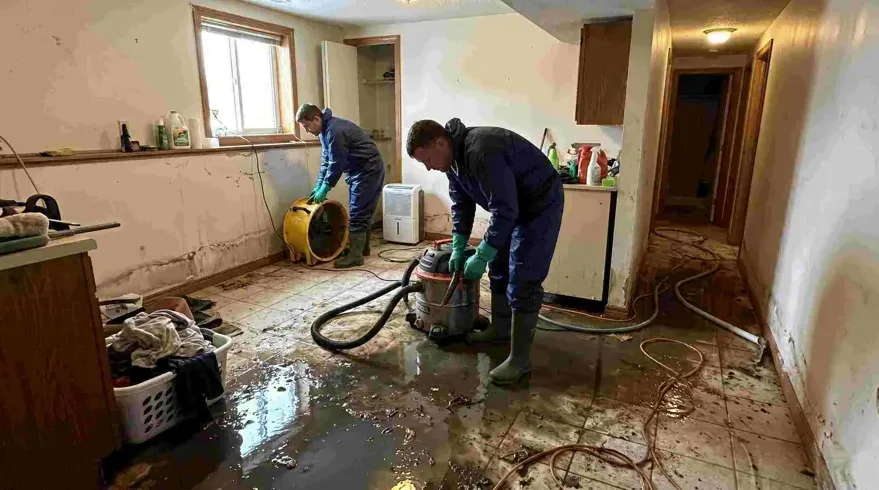 Water Extraction in CliftonExtraction removes liquid water before dehumidifiers manage the moisture left in materials. Crews choose pumps, wands and vacuum tools around water depth, contamination and the surfaces that need protection.
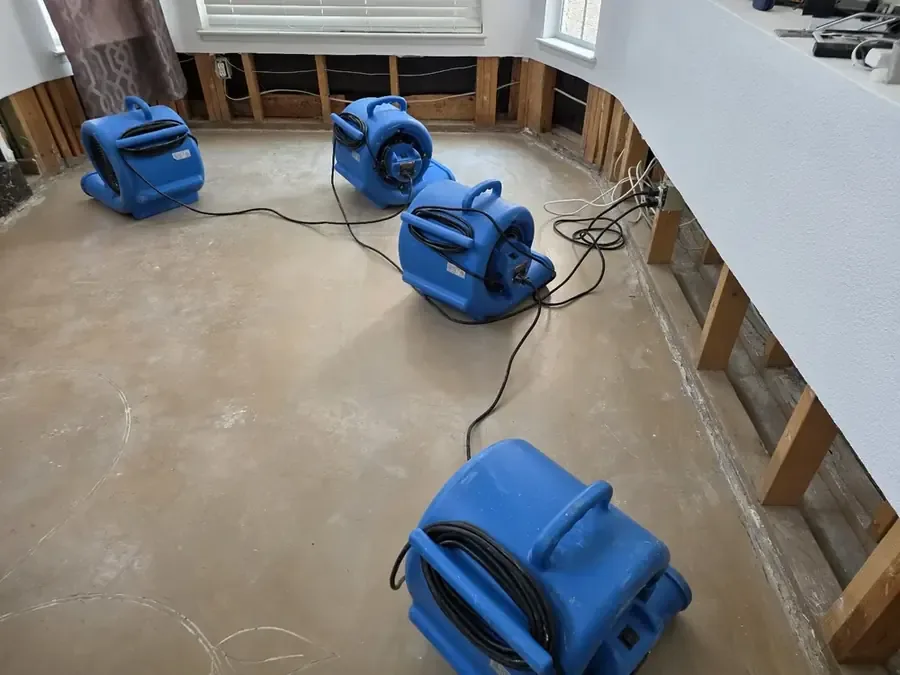 Structural Drying in CliftonStructural drying removes retained moisture from salvageable building materials after source control and extraction. Air movement, dehumidification and temperature management work together, with repeated measurements showing whether the affected assembly is responding.
Burst Pipe Water Damage in CaldwellBurst-pipe cleanup follows pressurized water through cavities, floor openings and room edges. A plumber repairs the damaged pipe while restoration technicians remove escaped water and establish a drying plan for connected materials.
Burst pipe water damage in Clifton, NJ
Pipe damage assessments in Clifton include residential locations such as Dutch Hill, Rosemawr and Albion Place, with attention to the actual release and interior access.
The same service nearby: burst pipe water damage in Caldwell, Woodland Park, Totowa.
Water damage restoration in Clifton · every town coveredBurst Pipe Water Damage questions
Does a repaired fitting mean cleanup is finished?
The fitting repair stops the source, but water already inside walls or floors remains a separate problem. Extraction and material checks determine what restoration work is needed. A small repair opening may not provide access to the full area reached by the release.
Why is another room being inspected?
Water can follow wall bases, floor seams and penetrations before becoming visible. Checking an adjoining room helps define the actual boundary of the loss. The decision should follow signs and measurements at the property, rather than an assumption that every neighboring room is affected.
Can insulation stay inside the opened wall?
That depends on its condition, contamination and ability to dry within the assembly. Wet insulation can hold moisture against other materials. The assessment should explain a removal recommendation and identify how retained framing or finishes will be checked after access is established.
Is pipe replacement part of the drying price?
The estimate should specify that clearly. Repairing the supply system and restoring wet materials are separate tasks, even when their schedules overlap. A written scope helps identify which contractor handles the source and which charges relate to extraction, removal and drying.
Should wet furniture stay against the wall?
Furniture may block inspection and drying at the wall base. Its condition and weight determine whether safe movement is practical. Wet items should not be carried into dry rooms without a handling plan, especially when absorbent materials are releasing water onto other surfaces.
How should the loss be documented?
Record the failed location when visible, the time water was discovered and the rooms showing damage. Photographs, plumbing invoices and drying measurements complement one another. An inventory of affected possessions can also help explain what required cleaning, removal or later replacement.
When can wall repairs be scheduled?
Scheduling depends on source control, remaining moisture and access needs. Closing a cavity before its materials reach the selected drying target can trap water. The restoration record should identify which areas are ready and which still require measurement or additional drying access.
Account for the water beyond the break
The repair and drying plans should meet at a clear handoff, with affected assemblies accessible until their condition is documented.
(888) 471-9821Plan the pipe release cleanupCaldwell Water Damage Restoration
Caldwell, NJ and nearby Essex County
(888) 471-9821 · open 24/7
Water and sewage losses only
Find us on Google