Burst Pipe Water Damage in Totowa
A pipe opening can spray upward and sideways before water reaches the floor. Totowa cleanup planning needs to follow that full spray path, including insulation, wall cavities and adjoining rooms beyond the first puddle.
(888) 471-9821Discuss the pipe release- Source isolation first
- Cavity moisture mapping
- Repair scope coordination
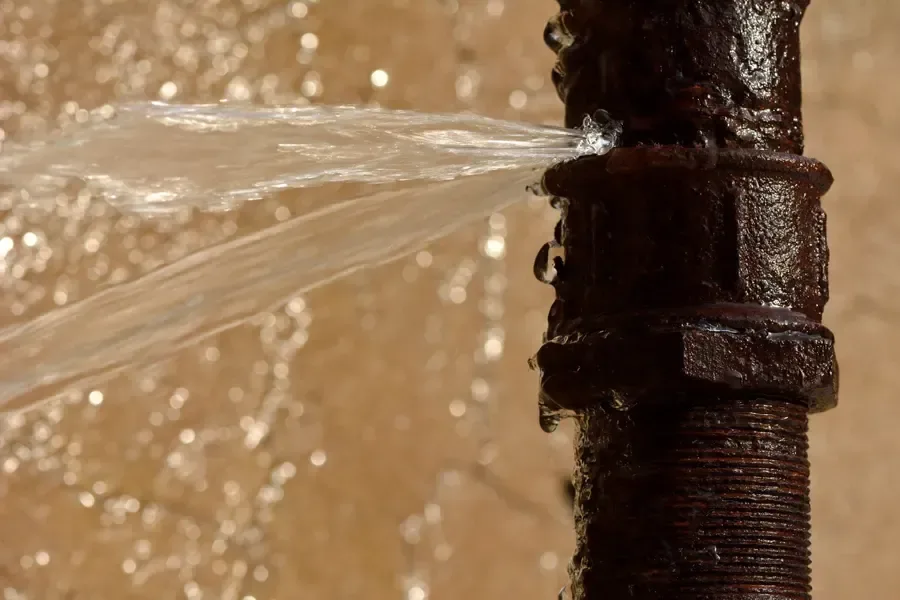
First steps for burst pipe water damage
- Locate safe source control. A dry and accessible shutoff may limit further release. The owner should avoid a valve that requires entering standing water or reaching past wet electrical devices to operate it.
- Describe the pipe location. The first report should identify whether water emerged from a visible fitting, a wall or an overhead area, and whether the flow changed after the accessible supply was closed.
- Keep the spray area clear. Wet ceilings, loose finishes and slippery surfaces can extend beyond the original break. People and belongings should remain outside unsafe areas until the damage and electrical conditions are assessed.
- Save repair and damage details. Photographs of the release area and the plumber's findings help connect source repair with cleanup. Notes should also identify rooms where water arrived later through floor or wall openings.
How burst pipe water damage is handled
Connect the leak to its damage
The first assessment traces the release from the pipe to the surrounding surfaces. Supply control and plumbing repair are coordinated with access needs. Moisture observations include adjacent walls and floors so the scope reflects the water path, including places outside the original spray area.
Expose the receiving layers
Extraction removes accessible water, while selected material openings reveal concealed wetting. The purpose of each opening should be explained before work expands. Damaged finishes are separated from components that remain suitable for drying, and dry areas receive protection during material handling and equipment movement.
Dry the retained assembly
Equipment is arranged around the exposed material surfaces and the remaining moisture load. Repeated measurements show whether cavities and floor edges respond together or need different treatment. An unchanged reading prompts reassessment of access or source control instead of simply leaving the original setup untouched.
What does burst pipe water damage cost in Totowa, NJ?
Burst pipe water damage in Totowa has planning ranges from $1,200 to $8,500+. The spread through cavities, number of rooms and need for material access affect cleanup cost. Plumbing repairs and reconstruction should be distinguished from extraction and drying in the estimate.
For a closer planning number, run the water damage cost calculator. The restoration contractor who responds sets the real scope after the walkthrough and the moisture map.
Burst Pipe Water Damage restoration sequence
- 01
Connect the leak to its damage
The first assessment traces the release from the pipe to the surrounding surfaces. Supply control and plumbing repair are coordinated with access needs. Moisture observations include adjacent walls and floors so the scope reflects the water path, including places outside the original spray area.
- 02
Expose the receiving layers
Extraction removes accessible water, while selected material openings reveal concealed wetting. The purpose of each opening should be explained before work expands. Damaged finishes are separated from components that remain suitable for drying, and dry areas receive protection during material handling and equipment movement.
- 03
Dry the retained assembly
Equipment is arranged around the exposed material surfaces and the remaining moisture load. Repeated measurements show whether cavities and floor edges respond together or need different treatment. An unchanged reading prompts reassessment of access or source control instead of simply leaving the original setup untouched.
- 04
Prepare for the finishing work
The completion record connects material readings with the areas opened and the pipe repair performed. It identifies remaining reconstruction needs, including any finish replacement outside the original room. That handoff helps prevent an early cosmetic patch from closing an assembly whose damage extends farther than expected.
A repaired fitting can stop the noise and flow without resolving the water damage around it. Pressurized water may reach the back of wallboard, the underside of a counter or insulation above the break. Cleanup should begin with that wider footprint instead of only the puddle beneath the pipe.
Separate public service from the building leak
Totowa has a municipal Water Department and purchases its drinking water from Passaic Valley Water Commission. A public supply concern and a broken pipe inside a property need separate attention. The first inspection establishes the release location so the appropriate repair can accompany the damage cleanup.
A property near the Municipal Complex on Totowa Road can use Cherba Place as a location reference. Those details help identify access, while the plumbing description should focus on the affected room, a reachable shutoff and whether water continues escaping after fixtures are closed.
Look above the visible water mark
The inspection follows spray impact as well as downhill runoff. An elevated break may wet wall surfaces behind stored items before water gathers below. Closed cavities can retain moisture after exposed finishes begin drying, so selected readings should extend around the release rather than stop at the visible stain.
- Examine nearby ceiling and wall junctions for a hidden spray path.
- Check floor transitions where water entered the next room.
- Identify insulation or finishes that block access to retained moisture.
- Record the plumbing repair separately from the material drying scope.
Restore the assembly in the right order
Openings may be needed to assess or dry affected layers. Their extent should follow the material condition and access requirements, with retained framing checked before finishes return. Covering a damp cavity can hide the problem while making future inspection harder.
Once the release is controlled, structural drying addresses the moisture that remains. Repair planning should include the exposed boundary and any work still needed at the pipe, so finishing trades receive a clear description of the assembly rather than an unexplained patch opening.
Safety planning starts with Ready.gov flood precautions; household water-use checks appear at EPA WaterSense.
Related water damage services in Totowa
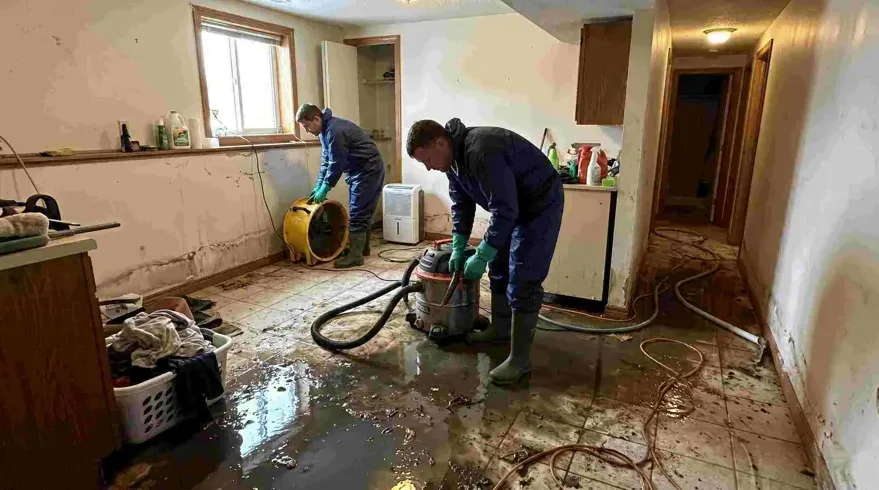 Water Extraction in TotowaExtraction removes liquid water before dehumidifiers manage the moisture left in materials. Crews choose pumps, wands and vacuum tools around water depth, contamination and the surfaces that need protection.
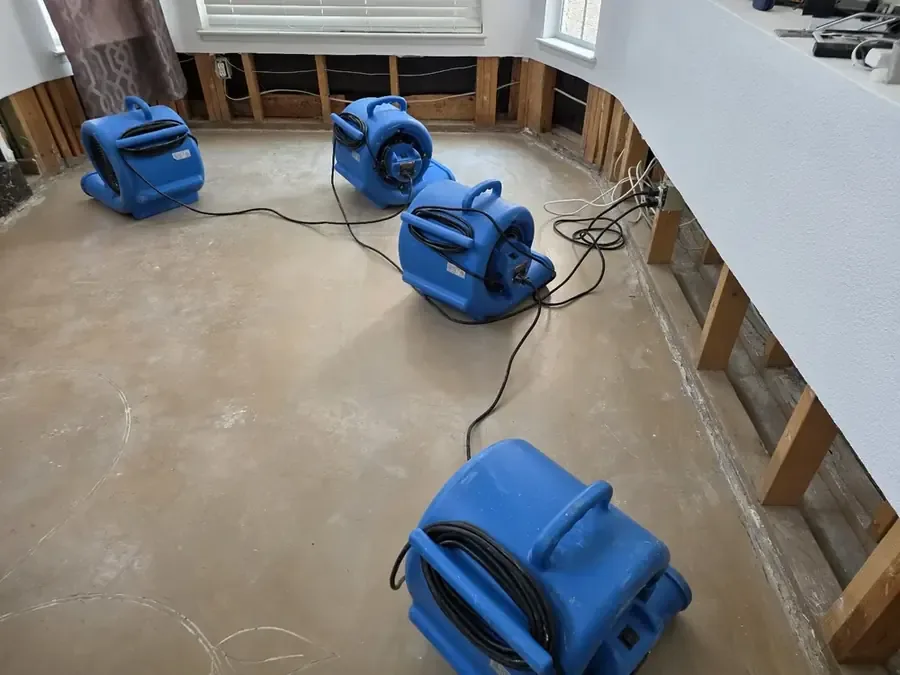 Structural Drying in TotowaStructural drying removes retained moisture from salvageable building materials after source control and extraction. Air movement, dehumidification and temperature management work together, with repeated measurements showing whether the affected assembly is responding.
Burst Pipe Water Damage in CaldwellBurst-pipe cleanup follows pressurized water through cavities, floor openings and room edges. A plumber repairs the damaged pipe while restoration technicians remove escaped water and establish a drying plan for connected materials.
Burst pipe water damage in Totowa, NJ
Properties near Totowa Road, the Municipal Complex and Memorial School can identify the damaged room and accessible shutoff location when discussing cleanup after a pipe release.
The same service nearby: burst pipe water damage in Caldwell, Woodland Park, North Caldwell.
Water damage restoration in Totowa · every town coveredBurst Pipe Water Damage questions
Does fixing the pipe finish the water damage work?
Stopping the release prevents continued wetting, but surrounding materials can remain saturated. Cleanup examines the path beyond the repair, removes collectable water and checks affected assemblies. The repair and drying records should both explain their completed work before wall or floor finishes are restored.
Why inspect a ceiling when the puddle is below?
Pressurized water can strike surfaces above the break before falling. A ceiling cavity or the back of wallboard may receive water without showing an immediate stain. Inspection follows the direction of the release as well as gravity to identify the full wet area.
Can the water supply remain shut during cleanup?
Supply arrangements depend on the repair and the building's needs. The plumbing professional should establish safe operation of the affected system. Cleanup planning then accounts for the controlled source and any necessary access, without treating a closed valve as a permanent repair.
Will every wall near the break need opening?
Openings should be based on moisture findings, material condition and drying access. A nearby wall is not automatically damaged. The inspection can explain where a cavity needs access and where measurements support retaining the existing assembly without unnecessary removal of sound finishes.
What if the wet patch grows after the repair?
Water may continue moving out of a concealed space, or another release may remain active. Growth deserves renewed source and moisture assessment. The size and timing of the change help distinguish residual migration from a problem that still needs plumbing attention.
Can belongings stay inside the affected room?
Their condition and position matter. Some items can be protected or moved to a dry area; wet furniture bases and stored boxes need inspection. Keeping a room full can block access to saturated flooring and hide the boundaries that the cleanup assessment needs.
How are public water problems handled differently?
The borough Water Department handles municipal water matters. A building pipe failure needs assessment at the property and an appropriate plumbing repair. Clear source identification helps avoid confusing a public service concern with moisture left inside walls or flooring after a private release.
Repair the pipe and follow the water
An assessment can connect the completed plumbing work with extraction, cavity access and moisture measurements needed before the surrounding finishes are restored.
(888) 471-9821Plan cleanup around the breakCaldwell Water Damage Restoration
Caldwell, NJ and nearby Essex County
(888) 471-9821 · open 24/7
Water and sewage losses only
Find us on Google