Ceiling Leak Cleanup in Woodland Park
A ceiling stain is the visible end of a water path. Woodland Park ceiling cleanup investigates what sits above the mark and whether wet finishes or insulation threaten the space below.
(888) 471-9821Discuss the overhead leak- Ceiling stability assessment
- Source tracing above
- Cavity moisture checks
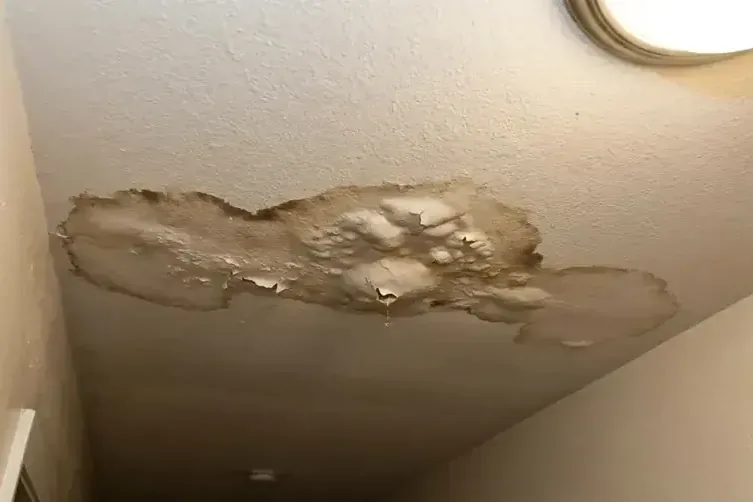
First steps for ceiling leak water damage
- Leave the space below clear. Keep people and movable belongings away from sagging finishes when safe to do so. The area should be assessed before anyone reaches upward or works beneath the wet patch.
- Identify changes above the ceiling. A nearby bathroom, appliance or roof area may help explain the timing of the drip. Share those observations without opening unsafe cavities or operating wet electrical fixtures.
- Preserve the visible pattern. Photographs can capture stain edges, peeling paint and changes in ceiling shape. Take them from a stable dry location before removal changes the overhead appearance and room conditions.
- Coordinate source repair and drying. The cause needs correction before patching. The restoration plan should include accessible insulation, framing and adjoining surfaces so concealed wetting is addressed before the ceiling opening closes.
How ceiling leak water damage is handled
Assess the overhead condition
The inspection records sagging, softness, dripping and nearby electrical concerns before the work area is established. Safe access takes priority over a close look at the stain. The rooms above and below are considered together to identify likely source routes and protect occupied areas from falling debris.
Trace water through accessible cavities
Source investigation and moisture assessment focus on the assembly above the finish. The route may follow framing before appearing below. Findings determine the size and location of any controlled opening, with care to include adjacent wet insulation rather than stopping at the darkest visible discoloration.
Remove damaged overhead layers
Materials that cannot remain are handled within the protected work area. The exposed structure is inspected for moisture and condition, and the room below is checked for secondary wetting. Retained surfaces are prepared for drying after debris and any water residue have been addressed.
What does ceiling leak water damage cost in Woodland Park, NJ?
Ceiling leak cleanup in Woodland Park depends on overhead access, damaged layers and wetting above the visible stain. The estimate should distinguish controlled removal and cavity drying from the source repair and the finish work needed afterward.
For a closer planning number, run the water damage cost calculator. The restoration contractor who responds sets the real scope after the walkthrough and the moisture map.
Ceiling Leak Water Damage restoration sequence
- 01
Assess the overhead condition
The inspection records sagging, softness, dripping and nearby electrical concerns before the work area is established. Safe access takes priority over a close look at the stain. The rooms above and below are considered together to identify likely source routes and protect occupied areas from falling debris.
- 02
Trace water through accessible cavities
Source investigation and moisture assessment focus on the assembly above the finish. The route may follow framing before appearing below. Findings determine the size and location of any controlled opening, with care to include adjacent wet insulation rather than stopping at the darkest visible discoloration.
- 03
Remove damaged overhead layers
Materials that cannot remain are handled within the protected work area. The exposed structure is inspected for moisture and condition, and the room below is checked for secondary wetting. Retained surfaces are prepared for drying after debris and any water residue have been addressed.
- 04
Record cavity drying before closure
Measurements track the framing and adjoining surfaces through the drying period. The final record identifies areas treated and any remaining source or access concern. Patching, paint and fixture work can then be scheduled with a clear understanding of the completed mitigation and the repairs still outstanding.
A spreading ceiling mark can come from a room above, a concealed pipe or rain entry. In a Woodland Park property near Garret Mountain Reservation, the investigation begins with that overhead layout. The stain's position helps locate the affected area, while inspection establishes the route water followed.
Keep the area below a bulge clear
Wet wallboard can soften and separate from its supports. A bowed section or falling finish changes the access decision immediately. Furniture and people should remain clear of the area below until the assembly has been assessed and a controlled opening plan is in place.
Ceiling fixtures also deserve attention when water reaches the surrounding surface. Electrical assessment may be needed before access or equipment use. Puncturing a swollen patch from below can expose someone to falling material and water, so the opening belongs within a planned restoration task.
Look beyond the darkest part of the stain
The visible discoloration may sit below a path that runs along framing. Insulation, joist spaces and the upper wall junction can hold moisture beyond the marked patch. Checking those areas helps determine whether the damage is limited or connects to other rooms and floor layers.
- Record the ceiling shape and visible changes from a safe viewpoint.
- Note whether rain or upstairs water use precedes renewed dripping.
- Inspect accessible cavities beside the opening for retained wet insulation.
- Protect the room below before damaged overhead material is handled.
Let the assembly determine the patch boundary
Rifle Camp Park and Alfred Baumann Public Library are borough landmarks, but each nearby building needs its own ceiling assessment. The repair boundary follows damaged material, structural support and drying access. A paint sized patch can be inadequate when damp insulation extends into another bay.
After source correction, the retained framing and adjoining wall tops need drying checks. Photographs of the open cavity can document conditions before closure. Finish replacement then follows a clear record of what was removed, what remained and how the remaining assembly responded to drying.
Safety planning starts with Ready.gov flood precautions; household water-use checks appear at EPA WaterSense.
Related water damage services in Woodland Park
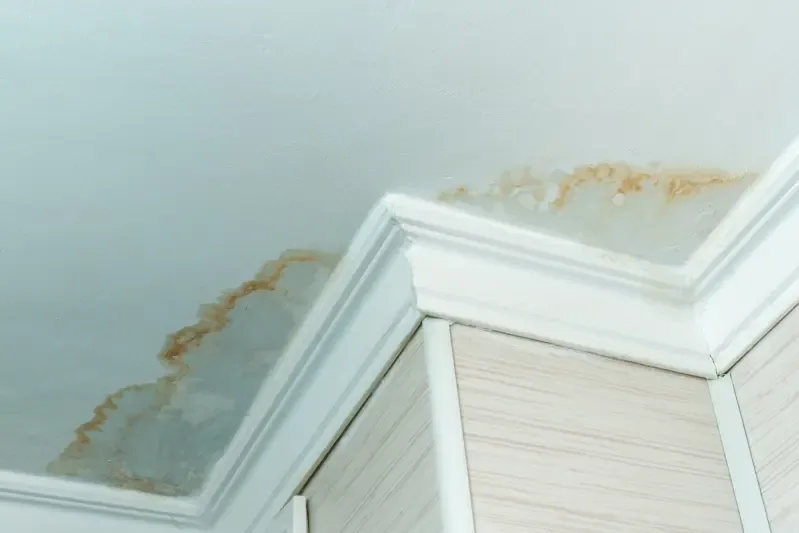 Roof Leak Water Damage in Woodland ParkRoof-leak restoration treats the interior water damage beneath a failed roof detail. Roofing work controls rain entry; the mitigation scope checks decking, insulation, framing and room finishes that have absorbed water.
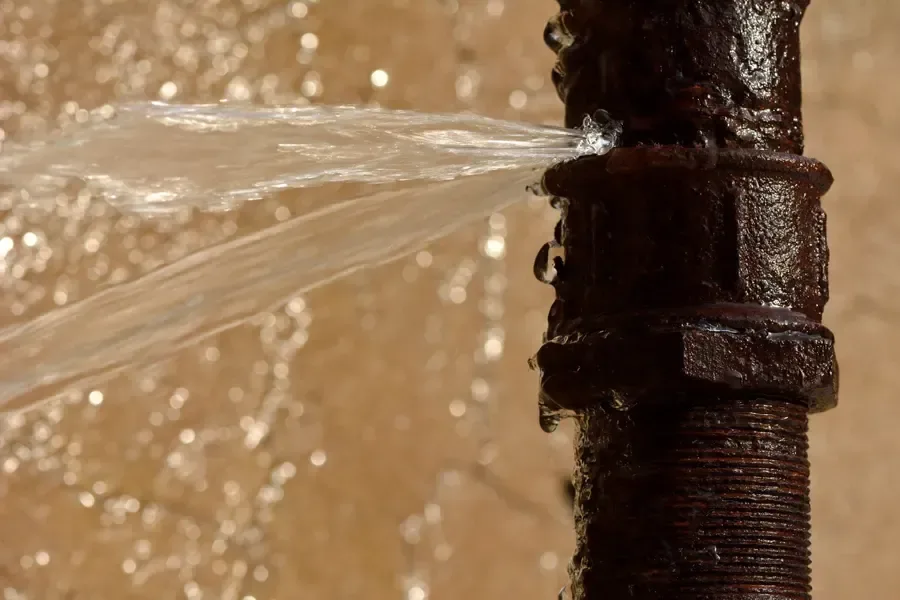 Burst Pipe Water Damage in Woodland ParkBurst-pipe cleanup follows pressurized water through cavities, floor openings and room edges. A plumber repairs the damaged pipe while restoration technicians remove escaped water and establish a drying plan for connected materials.
Ceiling Leak Water Damage in CaldwellCeiling cleanup addresses wet drywall, insulation and framing after an overhead release. The source may sit in a bathroom, supply pipe or another space above the stain, so inspection follows the water path.
Ceiling leak water damage in Woodland Park, NJ
Ceiling damage assessment serves Woodland Park properties around Garret Mountain Reservation, Rifle Camp Park and McBride Avenue, with attention to upper rooms, access and overhead stability.
The same service nearby: ceiling leak water damage in Caldwell, Totowa, Clifton.
Water damage restoration in Woodland Park · every town coveredCeiling Leak Water Damage questions
Is a ceiling bubble safe to puncture?
A bubble may hold water above weakened material, and opening it can cause sudden release or falling debris. Occupants should keep clear. A controlled access plan considers electrical conditions, room protection and the stability of the surrounding ceiling before removal begins.
Why can the leak appear away from its source?
Water can travel along framing or another surface before reaching a low point. The visible stain therefore marks where moisture appeared, not necessarily where it entered. Inspection above the finish helps connect the source with the full affected cavity.
Should the stained area be painted immediately?
Painting covers the visible mark but leaves source and moisture questions unresolved. The source needs attention, and the assembly requires assessment before refinishing. Wet insulation or framing can remain concealed even when the ceiling surface no longer feels damp.
Can only part of the ceiling be removed?
Selective removal may be appropriate when the damage and drying boundary are limited. The decision depends on material condition, access and adjoining wet areas. The scope should explain the opening size and how the retained assembly will be checked before patching.
What if the light fixture is dripping?
Water around a fixture raises an electrical concern. Avoid operating it or entering the wet area to investigate. Qualified electrical assessment may be necessary before restoration proceeds, and the cavity around the fixture should be included in the moisture inspection.
Does an upstairs bathroom leak affect the floor too?
It can. Water may wet the upper floor assembly before appearing through the ceiling below. Checking both levels helps identify underlayment, joists and insulation involved in the loss. Drying decisions should address the connected layers rather than just the downstairs stain.
What proves the open ceiling is ready for repair?
A record of source correction, material condition and drying measurements supports the handoff. The assessment should identify retained framing and any adjoining surfaces treated. A visually clean cavity alone is not the full basis for deciding when finishes can return.
Address the water hidden above the finish
Source tracing and cavity measurements connect the visible mark with the materials that need attention before the room is repaired.
(888) 471-9821Plan overhead moisture assessmentCaldwell Water Damage Restoration
Caldwell, NJ and nearby Essex County
(888) 471-9821 · open 24/7
Water and sewage losses only
Find us on Google