Ceiling Leak Water Damage in Clifton
A stain that grows or a ceiling that sags changes how the room below can be used. Overhead water damage needs protected access, source tracing and inspection of the layers above the finish.
(888) 471-9821Discuss the changing ceiling surface- Protected room access
- Overhead moisture checks
- Source repair coordination
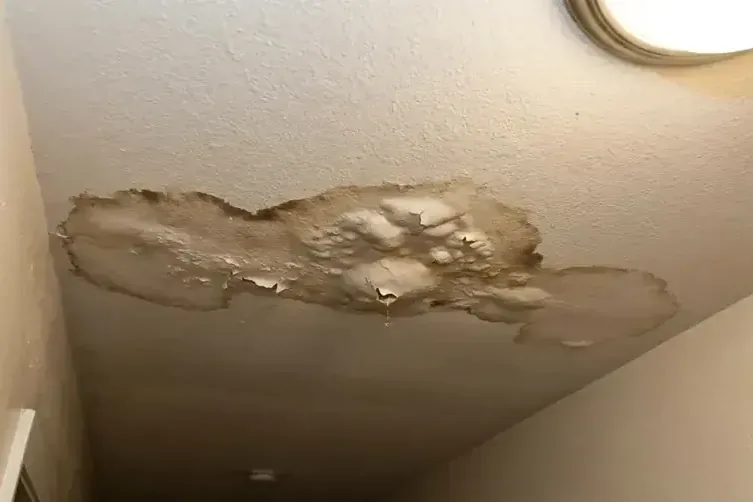
First steps for ceiling leak water damage
- Restrict the area below. People should remain away from a sagging or actively changing ceiling. The room layout and potential falling material determine the protected area, including nearby furniture and walking paths.
- Leave fixtures undisturbed. Wet lights, switches or other electrical components need appropriate attention before handling. A person should not touch a fixture or climb beneath damaged overhead material to investigate the release.
- Record the overhead change. From a safe location, note when staining, dripping or sagging appeared. These observations help connect the visible symptom with source investigation without requiring someone to open the ceiling.
- Coordinate access above and below. The assessment may require access to another room or an overhead cavity. Arranging that access helps connect source repair, selective removal and the drying plan for retained materials.
How ceiling leak water damage is handled
Establish the overhead work boundary
The ceiling's visible condition and the room beneath it determine where people and contents can remain. Electrical concerns are addressed before opening or extraction. The assessment records staining, sagging and active dripping so the source investigation begins with a clear account of the observed changes.
Trace water above the finish
Accessible cavities and adjoining spaces are inspected to connect the stain with its origin. Source repair may require another trade or access to a separate level. The restoration scope identifies wet insulation, framing and finishes while keeping the source correction distinct from interior cleanup.
Remove unsafe or unsuitable material
Selected ceiling materials are removed when their condition or retained moisture prevents useful restoration. Protection below the opening limits debris and water spread. The exposed assembly can then be measured and dried, with equipment arranged to reach the actual wet layers rather than the entire room indiscriminately.
What does ceiling leak water damage cost in Clifton, NJ?
Ceiling damage costs in Clifton depend on the affected overhead area, safe access and wet layers. The estimate should separate source repair from ceiling removal, contents protection and drying before any replacement finish is scheduled.
For a closer planning number, run the water damage cost calculator. The restoration contractor who responds sets the real scope after the walkthrough and the moisture map.
Ceiling Leak Water Damage restoration sequence
- 01
Establish the overhead work boundary
The ceiling's visible condition and the room beneath it determine where people and contents can remain. Electrical concerns are addressed before opening or extraction. The assessment records staining, sagging and active dripping so the source investigation begins with a clear account of the observed changes.
- 02
Trace water above the finish
Accessible cavities and adjoining spaces are inspected to connect the stain with its origin. Source repair may require another trade or access to a separate level. The restoration scope identifies wet insulation, framing and finishes while keeping the source correction distinct from interior cleanup.
- 03
Remove unsafe or unsuitable material
Selected ceiling materials are removed when their condition or retained moisture prevents useful restoration. Protection below the opening limits debris and water spread. The exposed assembly can then be measured and dried, with equipment arranged to reach the actual wet layers rather than the entire room indiscriminately.
- 04
Document readiness for ceiling repair
Follow-up checks compare moisture at recorded points and note whether the source remains controlled. The final scope identifies openings and retained materials needing repair. Replacement finishes should follow that documented condition so the overhead cavity is not closed while further drying access is still required.
An overhead water mark can be the endpoint of a path that began elsewhere. Water may run across framing or collect above a finish before it appears in the room. A sagging area also creates a falling-material concern, making the safe work boundary the first part of the assessment.
Protect the room beneath the changing surface
Clifton Avenue includes low-rise offices with legal, accounting and medical tenants. An overhead leak in an occupied office requires coordination around desks, records and passageways. The assessment should identify the usable part of the room and keep people away from unstable finishes while the source is investigated.
In Dutch Hill, a residential setting, contents under the leak may need attention alongside the ceiling itself. Dry belongings should be moved only from a safe position. Reaching beneath a bulge to place a bucket can expose someone to falling material or water near electrical fixtures.
Separate the stain from the source location
The inspection follows accessible wet layers above and around the visible mark. Plumbing, roof entry and another occupied level require different source repairs. A useful opening should provide information about affected materials and the water path, rather than simply making the discoloration disappear from view.
- Record changes in shape as well as changes in color.
- Keep light fixtures and nearby electrical exposure in the access assessment.
- Inspect wet insulation where the overhead cavity becomes accessible.
- Check the floor and contents directly below the leak path.
Close the assembly only after the wet layers
Main Mall is the city's main downtown section. For an interior there, scheduling finish repairs should account for source correction and drying access, especially when the room remains occupied nearby. The record needs to describe removed ceiling material and moisture conditions in what remains. If the release came from above the roof assembly, roof leak cleanup addresses that connected interior damage.
Safety planning starts with Ready.gov flood precautions; household water-use checks appear at EPA WaterSense.
Related water damage services in Clifton
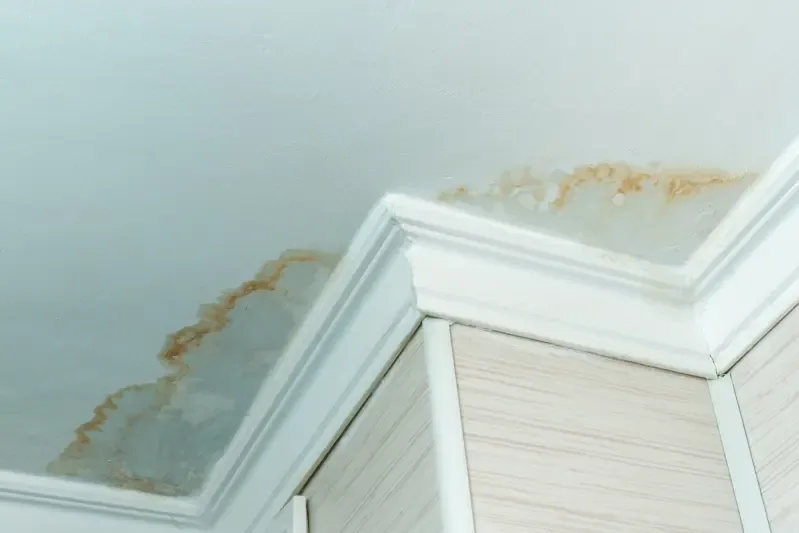 Roof Leak Water Damage in CliftonRoof-leak restoration treats the interior water damage beneath a failed roof detail. Roofing work controls rain entry; the mitigation scope checks decking, insulation, framing and room finishes that have absorbed water.
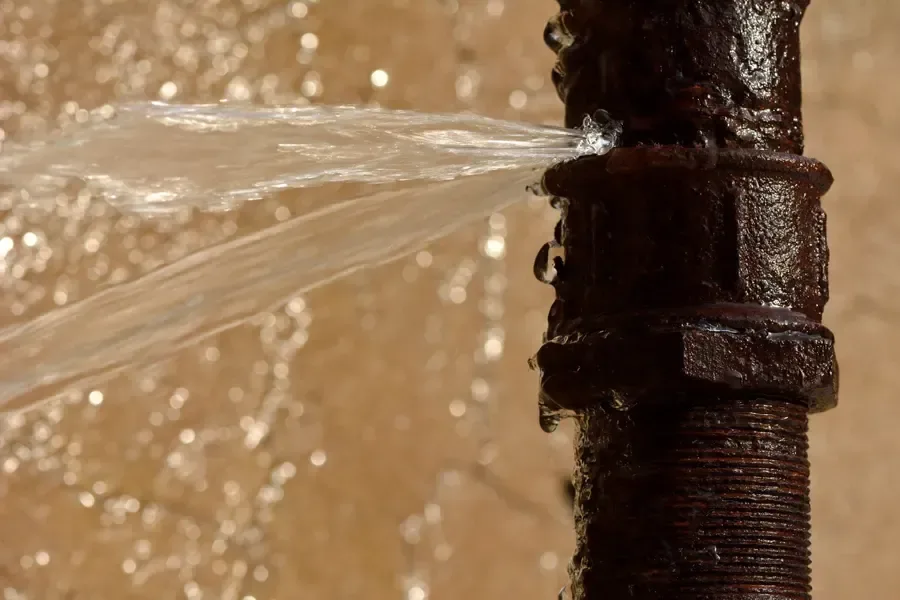 Burst Pipe Water Damage in CliftonBurst-pipe cleanup follows pressurized water through cavities, floor openings and room edges. A plumber repairs the damaged pipe while restoration technicians remove escaped water and establish a drying plan for connected materials.
Ceiling Leak Water Damage in CaldwellCeiling cleanup addresses wet drywall, insulation and framing after an overhead release. The source may sit in a bathroom, supply pipe or another space above the stain, so inspection follows the water path.
Ceiling leak water damage in Clifton, NJ
Overhead damage assessments serve Clifton interiors in Dutch Hill, Main Mall and the Clifton Avenue office corridor, with room access and ceiling condition established first.
The same service nearby: ceiling leak water damage in Caldwell, Woodland Park, Totowa.
Water damage restoration in Clifton · every town coveredCeiling Leak Water Damage questions
Should a ceiling bulge be punctured?
A bulge can hold water above weakened material, and disturbing it may release both suddenly. People should stay clear of the affected area while safe access is assessed. Nearby electrical fixtures add another concern that should be addressed before the ceiling is opened.
Does the stain show the exact leak location?
Water can travel along overhead materials before emerging through the finish. The stain identifies a useful inspection area, but tracing the source may require access elsewhere. A repair plan should connect the visible symptom with the actual entry point before the ceiling is restored.
Can the stain simply be painted?
Paint changes the appearance without addressing an active source or wet layers above it. The overhead assembly first needs assessment and appropriate drying or removal. Finish repair becomes useful after source control and material conditions have been documented at the affected locations.
What happens to wet ceiling insulation?
Insulation is evaluated for condition, contamination and practical drying access. A saturated layer may need removal to reach surrounding materials. The scope should explain that decision and identify how framing or other retained layers will be measured before the opening is closed.
Is the room below always part of cleanup?
Water may reach furniture, flooring or wall bases beneath the ceiling even when those surfaces look less dramatic. Inspection should check the actual drip path and affected contents. Only the materials involved in the loss belong in the documented restoration boundary.
How can an occupied office prepare?
Management can identify sensitive records, essential passageways and access to the space above. Occupants should remain outside the unsafe area. A coordinated work boundary helps separate protected contents and usable space from the ceiling opening, equipment and wet material removal route.
What information helps during the initial call?
Describe whether the ceiling is stained, dripping or sagging, and whether electrical fixtures are nearby. Mention the room above if known and whether the leak continues. Those details help organize access without requiring anyone to approach or disturb the damaged overhead surface.
Give wet ceiling layers room to dry
Source correction, selective opening and documented moisture checks establish a practical sequence before the room receives a replacement ceiling finish.
(888) 471-9821Plan the ceiling damage assessmentCaldwell Water Damage Restoration
Caldwell, NJ and nearby Essex County
(888) 471-9821 · open 24/7
Water and sewage losses only
Find us on Google