Ceiling Leak Water Damage in Totowa
A ceiling bulge changes how a room can be used before any cleanup begins. Totowa property owners need a protected area below the damage and an inspection that follows water above the visible stain.
(888) 471-9821Discuss the ceiling condition- Protected area below
- Overhead source tracing
- Wet assembly inspection
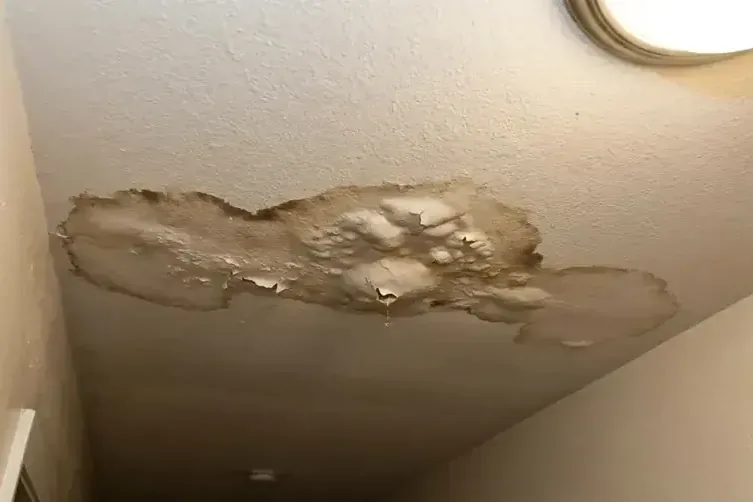
First steps for ceiling leak water damage
- Move activity away from below. People should stay out from under a swollen or sagging ceiling. A dry route around the room is preferable to attempting to protect belongings beneath an unstable section.
- Avoid wet electrical fittings. Lights, switches and connected devices near ceiling water need qualified electrical assessment. Operating a wet fixture or reaching toward it can create a hazard before cleanup even starts.
- Describe when the stain changed. A note about rain, water use or the moment dripping began helps the source investigation. The owner can record the visible boundary from a safe position without probing it.
- Connect repair access with cleanup. The proposed work should explain how overhead materials will be reached, which finishes need removal and how retained framing will be checked before the ceiling is closed again.
How ceiling leak water damage is handled
Define a protected work area
The first assessment considers the stability of overhead finishes and any electrical concern. The space below is separated from normal activity. Inspection then records the visible damage and the likely water route, identifying what must be reached above the ceiling to establish a complete scope.
Open only with a purpose
Controlled removal provides access where the material is damaged or concealed moisture needs assessment. The opening is tied to actual findings rather than a cosmetic patch outline. Wet insulation and adjoining framing are evaluated, and source repair proceeds with the necessary access to the overhead assembly.
Dry above the finished surface
Retained materials need drying access and measurements that reflect their condition. Equipment placement accounts for the opened area and any continued moisture at wall junctions. The setup is adjusted when readings show an overlooked pocket or an assembly that is responding differently from the visible surface.
What does ceiling leak water damage cost in Totowa, NJ?
Ceiling leak water damage in Totowa has planning ranges of $900 to $5,500+. Overhead access, wet insulation and damage beyond the visible patch influence the cleanup scope. Source repair and replacement finishes should be distinguished from drying in the written estimate.
For a closer planning number, run the water damage cost calculator. The restoration contractor who responds sets the real scope after the walkthrough and the moisture map.
Ceiling Leak Water Damage restoration sequence
- 01
Define a protected work area
The first assessment considers the stability of overhead finishes and any electrical concern. The space below is separated from normal activity. Inspection then records the visible damage and the likely water route, identifying what must be reached above the ceiling to establish a complete scope.
- 02
Open only with a purpose
Controlled removal provides access where the material is damaged or concealed moisture needs assessment. The opening is tied to actual findings rather than a cosmetic patch outline. Wet insulation and adjoining framing are evaluated, and source repair proceeds with the necessary access to the overhead assembly.
- 03
Dry above the finished surface
Retained materials need drying access and measurements that reflect their condition. Equipment placement accounts for the opened area and any continued moisture at wall junctions. The setup is adjusted when readings show an overlooked pocket or an assembly that is responding differently from the visible surface.
- 04
Hand over a defined ceiling repair
Completion notes explain the inspected boundary, removed materials and retained components. The finishing scope can then address replacement and decoration with an understood starting point. Any remaining source issue or inaccessible area should be resolved before the ceiling repair conceals the assembly from further inspection.
A ceiling stain shows where water reached a visible surface, but the entry point may sit elsewhere above it. Framing and the back of wallboard can carry water across the assembly. The cleanup area therefore needs to be defined by inspection rather than the outline of the brown patch alone.
Start with the space beneath the damage
Swelling, sagging or falling finish material makes the area below unsuitable for normal use until assessed. Wet light fixtures introduce a separate electrical concern. Furniture and belongings should only be relocated when there is a safe approach that avoids standing under unstable ceiling material.
Whether the property is near Memorial School, the Public Library on Cherba Place or the Community Center on Union Boulevard, the initial description should name the affected room and changes in the ceiling. A growing bulge and an old dry discoloration need different inspection priorities.
Investigate the overhead water path
A plumbing release, roof entry or another source can leave similar visible marks. The inspection considers what sits above the room and when the wetting occurs. Controlled access may be necessary to see insulation, framing or the back of a finish that cannot be evaluated from below.
- Document the stain boundary without touching unstable ceiling sections.
- Check wall tops and adjoining rooms for continued water movement.
- Coordinate source repair with access to the affected overhead materials.
- Keep replacement finishes out until retained layers have been assessed.
Make reconstruction part of the discussion
The Totowa Building Department states that permits are needed for most property improvements. Repair planning can bring the proposed ceiling work to that department before rebuilding begins. Owners can also inspect permit history through Construction Permit Self Service.
Drying and finish replacement are separate tasks. The cleanup record should identify material removed, moisture still present and areas ready for the next trade. Where water traveled through a wall junction, structural drying can extend beyond the overhead patch that first drew attention.
Safety planning starts with Ready.gov flood precautions; household water-use checks appear at EPA WaterSense.
Related water damage services in Totowa
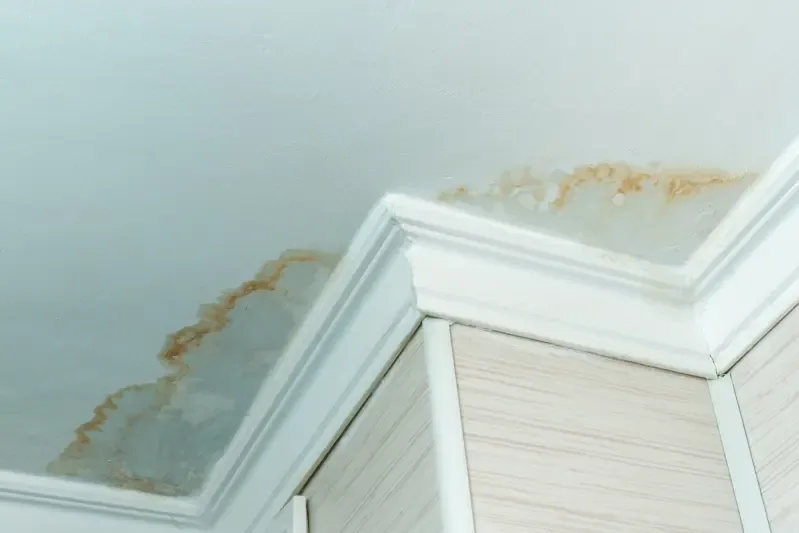 Roof Leak Water Damage in TotowaRoof-leak restoration treats the interior water damage beneath a failed roof detail. Roofing work controls rain entry; the mitigation scope checks decking, insulation, framing and room finishes that have absorbed water.
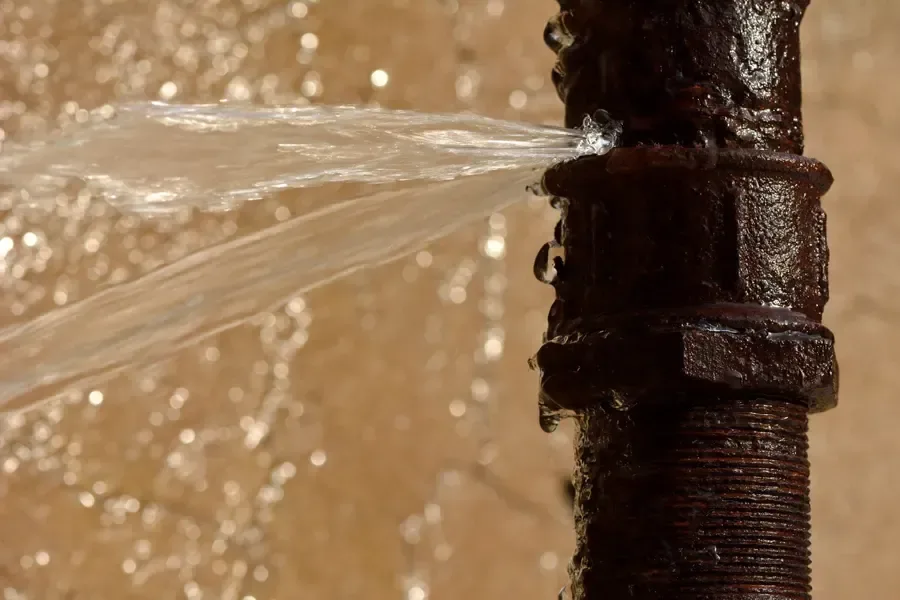 Burst Pipe Water Damage in TotowaBurst-pipe cleanup follows pressurized water through cavities, floor openings and room edges. A plumber repairs the damaged pipe while restoration technicians remove escaped water and establish a drying plan for connected materials.
Ceiling Leak Water Damage in CaldwellCeiling cleanup addresses wet drywall, insulation and framing after an overhead release. The source may sit in a bathroom, supply pipe or another space above the stain, so inspection follows the water path.
Ceiling leak water damage in Totowa, NJ
Homes near Memorial School, the Public Library and Union Boulevard can describe the ceiling change, room use and safe entry points when arranging an overhead damage assessment.
The same service nearby: ceiling leak water damage in Caldwell, Woodland Park, North Caldwell.
Water damage restoration in Totowa · every town coveredCeiling Leak Water Damage questions
Should a swollen ceiling be punctured to drain it?
A property owner should avoid standing beneath or disturbing a swollen section. Its condition and nearby electrical fittings need assessment first. Controlled access by an appropriate professional can account for falling material and water release instead of creating an uncontrolled opening from below.
Why is the leak not directly above the stain?
Water can travel along framing or other surfaces before reaching a visible finish. The stain marks an exit or collection point rather than necessarily the original opening. Inspection follows the overhead assembly to locate the source and define the material area needing attention.
Can painting cover the damage after dripping stops?
Painting belongs after the source is controlled and the ceiling assembly is assessed. Insulation and the back of the finish can retain moisture after dripping stops. Material findings determine the drying and repair work needed before decoration.
What if the ceiling has a light fixture?
Water near a fixture requires electrical attention before anyone touches or operates it. The room may need restricted access while that condition is assessed. Cleanup planning should include the fixture area and the material above it without treating visible dryness as electrical clearance.
Will insulation always need to come out?
Its condition, water exposure and the ability to dry or clean it determine the decision. Inspection must reach the affected assembly to evaluate those factors. Removal should be explained in the scope, including how it helps access retained materials or replaces insulation unsuitable for retention.
Where do permit questions about repairs belong?
The Building Department states that most property improvements need permits. The owner can discuss the planned ceiling repair and any related work there before rebuilding. Existing permit information is also available through the borough Construction Permit Self Service for use in repair planning.
How is the ceiling ready for the next trade?
The handoff should identify the repaired source, retained material condition and moisture findings at the affected assembly. It should also define the opening needing replacement. A finishing trade can then work from the documented scope instead of assuming the stain boundary described all the damage.
Plan beyond the visible ceiling patch
An overhead assessment can connect source repair with material access and drying, leaving a defined scope for replacing the damaged ceiling finish.
(888) 471-9821Discuss safe ceiling cleanupCaldwell Water Damage Restoration
Caldwell, NJ and nearby Essex County
(888) 471-9821 · open 24/7
Water and sewage losses only
Find us on Google