Roof Leak Water Damage in Clifton
Rainwater may cross an attic before it leaves a mark inside the room below. Interior restoration follows that path, coordinating roof source control with inspection and drying of the materials the water reached.
(888) 471-9821Explain where rainwater appeared indoors- Attic layer assessment
- Ceiling moisture mapping
- Interior drying coordination
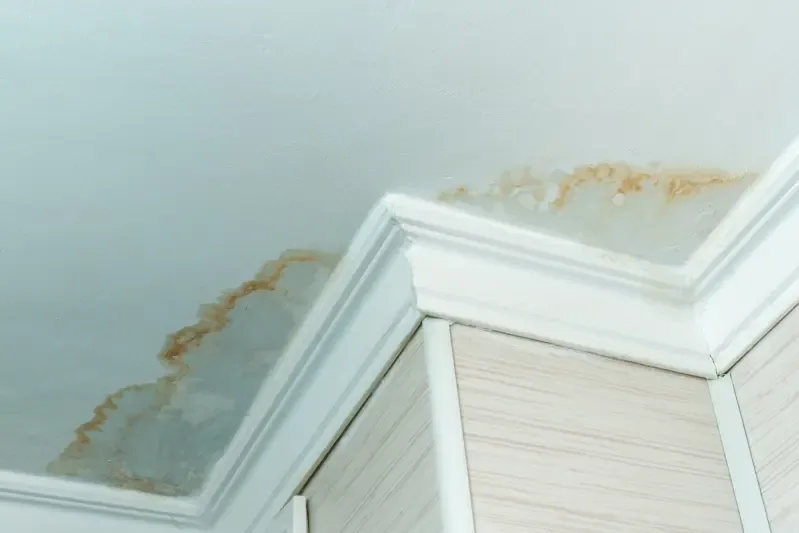
First steps for roof leak water damage
- Observe from stable indoor ground. A safe view of ceiling changes and drips is more useful than an unsafe climb. Keep clear of wet electrical fixtures and any overhead finish that appears loose or swollen.
- Protect accessible dry possessions. Items outside the unstable area may be moved to a dry position. Belongings directly beneath a changing ceiling should wait until the overhead condition and access route are assessed.
- Explain rainfall timing. Note whether water appeared during rainfall or continued afterward. This timing can help the source investigation, while the actual repair decision still depends on inspection of the building.
- Keep interior access available. Attic entry and affected rooms may be needed for source tracing and drying checks. Avoid closing openings or packing belongings against the wet area before that work is complete.
How roof leak water damage is handled
Connect the visible damage with entry
The assessment records indoor symptoms and the status of roof source control. A roofer's access needs may differ from the restoration work area, so both sequences should be coordinated. The occupied room is checked for falling-material hazards and electrical concerns before close inspection begins.
Trace accessible overhead layers
Inspection follows wet insulation, framing and finishes through the accessible assembly. Water may have moved sideways before reaching the ceiling mark. Findings identify where access needs to expand and which materials are unsuitable to retain, while dry areas remain protected from unnecessary disturbance.
Set up drying for retained materials
After unsuitable wet layers are addressed, equipment placement focuses on the exposed assembly and affected rooms. Air movement and moisture removal must reach the materials that remain. Recorded checks track their response and help determine whether a concealed pocket still requires additional access.
What does roof leak water damage cost in Clifton, NJ?
Roof leak cleanup pricing in Clifton depends on the interior materials reached and the access required to dry them. Roof correction should be identified separately from insulation removal, ceiling cleanup, contents handling and the later finish repair work.
For a closer planning number, run the water damage cost calculator. The restoration contractor who responds sets the real scope after the walkthrough and the moisture map.
Roof Leak Water Damage restoration sequence
- 01
Connect the visible damage with entry
The assessment records indoor symptoms and the status of roof source control. A roofer's access needs may differ from the restoration work area, so both sequences should be coordinated. The occupied room is checked for falling-material hazards and electrical concerns before close inspection begins.
- 02
Trace accessible overhead layers
Inspection follows wet insulation, framing and finishes through the accessible assembly. Water may have moved sideways before reaching the ceiling mark. Findings identify where access needs to expand and which materials are unsuitable to retain, while dry areas remain protected from unnecessary disturbance.
- 03
Set up drying for retained materials
After unsuitable wet layers are addressed, equipment placement focuses on the exposed assembly and affected rooms. Air movement and moisture removal must reach the materials that remain. Recorded checks track their response and help determine whether a concealed pocket still requires additional access.
- 04
Prepare the interior repair record
The handoff describes source repair status, materials removed and final measured conditions. It should also identify any cavity that could not be inspected. Ceiling and decorative repairs can then be scheduled around the actual drying result instead of relying only on the absence of another visible drip.
A roof leak is often noticed indoors first, where a ceiling edge darkens or water reaches furniture. The visible symptom deserves attention, but the restoration boundary may extend into the attic and along framing. Source correction and interior drying need to follow the same water path from opposite ends.
Begin indoors with safe observations
Albion Place is mostly residential and sits beside Garret Mountain Reservation. At a home in that neighborhood, useful observations include the room affected, whether entry occurs during rainfall and any visible change in the ceiling. Occupants should not climb onto a wet roof to obtain a more detailed description.
Montclair Heights lies in southwestern Clifton beside Montclair State University and Upper Montclair. An individual building there needs its own assessment of access and wet materials. The inspection should establish whether water reached attic insulation, a partition or another surface before appearing in the occupied room.
Separate roof correction from retained indoor moisture
A repaired entry point can prevent another release while existing water remains inside absorbent layers. Insulation may block useful drying of adjacent framing, and decorative finishes may conceal a damp cavity. The scope should explain each access opening and any material removal needed to expose the wet assembly.
- Keep people away from overhead finishes that sag or loosen.
- Record the visible path from ceiling changes to affected contents.
- Preserve access needed by both roof repair and restoration work.
- Check adjacent corners rather than stopping at the darkest stain.
Use material condition to schedule the room repair
Rosemawr is largely residential and partly within Allwood. For a roof-related loss there, the repair schedule should account for wet layers as well as the completed roof work. Measurements and access notes establish whether ceiling closure can proceed. Ceiling leak restoration gives additional attention to the damaged overhead finish and the room immediately beneath it.
Safety planning starts with Ready.gov flood precautions; household water-use checks appear at EPA WaterSense.
Related water damage services in Clifton
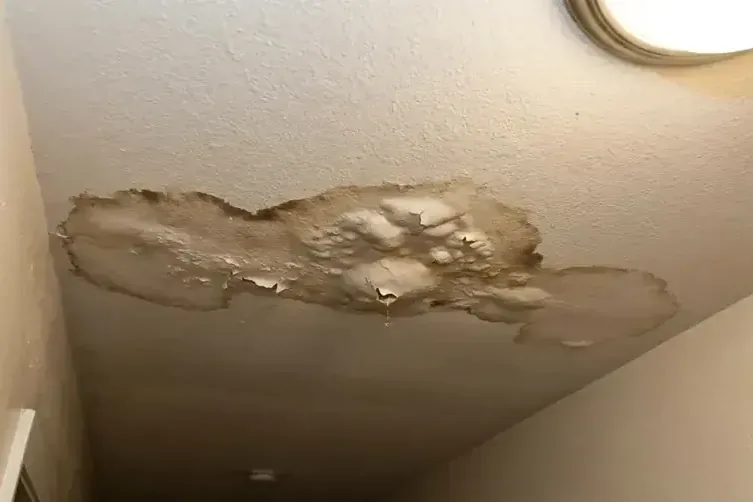 Ceiling Leak Water Damage in CliftonCeiling cleanup addresses wet drywall, insulation and framing after an overhead release. The source may sit in a bathroom, supply pipe or another space above the stain, so inspection follows the water path.
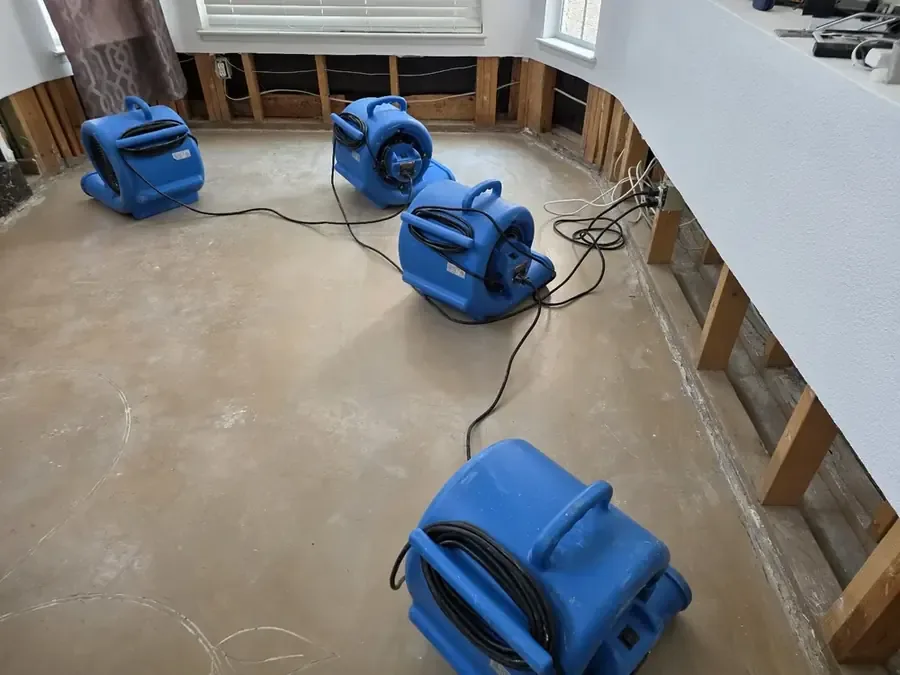 Structural Drying in CliftonStructural drying removes retained moisture from salvageable building materials after source control and extraction. Air movement, dehumidification and temperature management work together, with repeated measurements showing whether the affected assembly is responding.
Roof Leak Water Damage in CaldwellRoof-leak restoration treats the interior water damage beneath a failed roof detail. Roofing work controls rain entry; the mitigation scope checks decking, insulation, framing and room finishes that have absorbed water.
Roof leak water damage in Clifton, NJ
Roof water assessments include Clifton homes in Albion Place, Montclair Heights and Rosemawr, with the interior wet path and available overhead access discussed individually.
The same service nearby: roof leak water damage in Caldwell, Woodland Park, Totowa.
Water damage restoration in Clifton · every town coveredRoof Leak Water Damage questions
Why can dripping continue after rain stops?
Water held in insulation or moving through an overhead cavity may continue reaching the room after rainfall ends. That delay is useful information for inspection. It does not replace source tracing or checks of the wet materials remaining above the visible ceiling finish.
Is a roof repair enough to protect the room?
Stopping entry is essential, but retained water still needs attention. Wet insulation, framing and finishes may require removal or controlled drying. The interior scope should explain those tasks separately so roof completion is not mistaken for completion of the entire water damage job.
Should someone enter the attic immediately?
Attic access may involve wet materials, uncertain footing or electrical exposure. Entry should wait until a safe route is established. Observations from the occupied room can begin the conversation without requiring someone to climb into an area that has not been assessed.
Can a small stain involve a larger wet area?
The stain shows where water reached the visible surface, while the path above may extend farther. Moisture checks and accessible cavity inspection establish that boundary, including wet insulation and framing that extend beyond the mark visible from the room.
Does every wet ceiling require replacement?
The condition of the finish, contamination and access for drying affect that decision. A stable material may be assessed differently from a sagging or damaged section. The estimate should explain the reason for removal and how the retained overhead assembly will be checked.
How are possessions beneath the leak handled?
Their location and the overhead condition determine whether movement is safe. Accessible dry items can be separated from affected contents, while wet belongings need an appropriate handling plan. Photographs and an inventory help record the condition before cleaning or disposal decisions change the room.
What signals readiness for decorating again?
Source correction and documented material conditions establish a better basis than appearance alone. The drying record should describe affected layers and remaining openings. Decorative work should follow the repair requirements for those surfaces after further access for moisture removal is no longer needed.
Bring roof repair and interior drying together
The room needs a clear sequence from controlled entry through wet layer assessment to documented drying before replacement finishes conceal the remaining assembly.
(888) 471-9821Plan the interior rain damage workCaldwell Water Damage Restoration
Caldwell, NJ and nearby Essex County
(888) 471-9821 · open 24/7
Water and sewage losses only
Find us on Google