Frozen Pipe Cleanup in Woodland Park
A frozen section may reveal damage only when water begins moving again. Woodland Park thaw related cleanup checks the repaired plumbing and follows the released water into adjoining walls, floors and rooms before finishes are closed.
(888) 471-9821Discuss damage after the thaw- Thaw release assessment
- Concealed wet path checks
- Repair and drying coordination
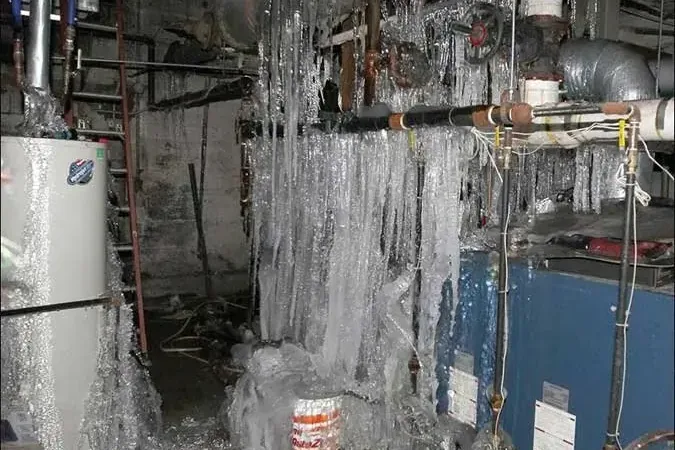
First steps for frozen pipe water damage
- Treat renewed flow as a check point. When flow returns, watch for visible leaks from a safe location. A plumbing professional should assess suspected damage before the system returns to ordinary use throughout the property.
- Isolate a reachable release safely. A safely accessible valve may limit escaping supply water. Avoid entering wet electrical areas or applying uncontrolled heat around the pipe, and describe the current source condition when arranging the assessment.
- Follow the surrounding wet signs. Record damp wall bases, floor changes and ceiling marks below the pipe location. These clues help define the water path beyond the opening where the failed section is being repaired.
- Keep repair access coordinated. New insulation or wall finishes should not conceal damp retained materials. Discuss the source repair, drying measurements and any future pipe protection work together before the opened assembly is closed again.
How frozen pipe water damage is handled
Establish the thaw and repair status
The assessment records when flow changed, where leakage appeared and whether supply remains active. Plumbing response is coordinated before restoration assumes the source is controlled. Photographs and initial moisture findings connect the damaged pipe location with the surrounding wall, floor or ceiling assembly reached by the release.
Extract water and expose affected layers
Accessible water is removed after the work area is safe. Insulation, wallboard and floor coverings are assessed for damage and drying access. The inspection follows the release beyond the repair opening, including adjacent rooms or lower ceilings where concealed travel may have carried moisture away from the failed section.
Dry retained materials around the repair
Air movement and humidity control are arranged around the exposed assembly. Readings show whether framing and underlying layers respond, with changes made where insulation or dense finishes restrict evaporation. The source repair area remains accessible for necessary checks while the surrounding moisture treatment progresses toward the established drying goals.
What does frozen pipe water damage cost in Woodland Park, NJ?
Frozen pipe water damage cleanup in Woodland Park depends on the release after thawing and the assemblies reached. These ranges support mitigation planning. Pipe repair, protective plumbing changes and replacement finishes should be identified separately from removal, cleaning and drying of the wet building.
For a closer planning number, run the water damage cost calculator. The restoration contractor who responds sets the real scope after the walkthrough and the moisture map.
Frozen Pipe Water Damage restoration sequence
- 01
Establish the thaw and repair status
The assessment records when flow changed, where leakage appeared and whether supply remains active. Plumbing response is coordinated before restoration assumes the source is controlled. Photographs and initial moisture findings connect the damaged pipe location with the surrounding wall, floor or ceiling assembly reached by the release.
- 02
Extract water and expose affected layers
Accessible water is removed after the work area is safe. Insulation, wallboard and floor coverings are assessed for damage and drying access. The inspection follows the release beyond the repair opening, including adjacent rooms or lower ceilings where concealed travel may have carried moisture away from the failed section.
- 03
Dry retained materials around the repair
Air movement and humidity control are arranged around the exposed assembly. Readings show whether framing and underlying layers respond, with changes made where insulation or dense finishes restrict evaporation. The source repair area remains accessible for necessary checks while the surrounding moisture treatment progresses toward the established drying goals.
- 04
Coordinate closure and protective work
The final record identifies the repaired source, dried materials and remaining finish work. Any separate plumbing protection measures are coordinated with that handoff. Replacement insulation and decorative surfaces can then return after the retained assembly has been assessed, keeping future improvements distinct from the mitigation completed for this release.
January 19, 2025: the borough published a winter storm alert. When a frozen plumbing section later thaws at a Woodland Park property, a newly visible leak needs source control and a building assessment. The damage may extend beyond the place where water first appears in the room.
Watch the transition from restricted flow to release
A damaged section can remain concealed until thawing allows water to escape. Plumbing assessment should address the affected system before normal supply use resumes. Restoration then follows the release through accessible cavities and across nearby floor layers, recording the boundaries before water is removed.
At a property along Rifle Camp Road, the location of the pipe and surrounding insulation determines the access plan. Wet insulation can hide framing moisture after the pipe has been repaired. Any opening made for plumbing work should remain coordinated with the materials that still need drying.
Check above and below the repaired location
Water can travel behind a wall or through the floor before emerging at a visible edge. Inspection at a Maple Avenue or McBride Avenue property therefore follows the building layout rather than stopping at the first patch of wet wallboard. Nearby rooms may need readings even when their finishes look unchanged.
- Describe when water flow returned and when leaking was first noticed.
- Keep photographs of the failed section and the wet surrounding assembly.
- Check ceilings below an upper floor release for hidden moisture travel.
- Avoid applying uncontrolled heat or opening unsafe cavities around wet plumbing.
Coordinate drying with future pipe protection
The immediate restoration task is to remove water and assess retained materials. A plumber can separately discuss the conditions around the affected pipe and suitable protection measures. Those decisions should account for the drying access still needed in the open wall or floor.
Before replacement insulation and finishes return, readings should support the condition of the retained assembly. The handoff can then distinguish completed pipe work, building drying and any remaining repair or protective work.
Safety planning starts with Ready.gov flood precautions; household water-use checks appear at EPA WaterSense.
Related water damage services in Woodland Park
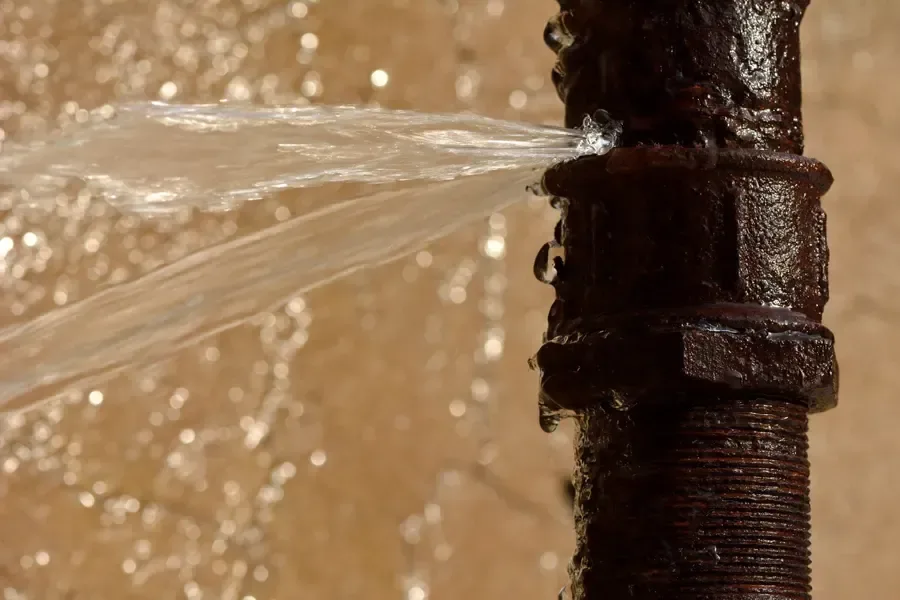 Burst Pipe Water Damage in Woodland ParkBurst-pipe cleanup follows pressurized water through cavities, floor openings and room edges. A plumber repairs the damaged pipe while restoration technicians remove escaped water and establish a drying plan for connected materials.
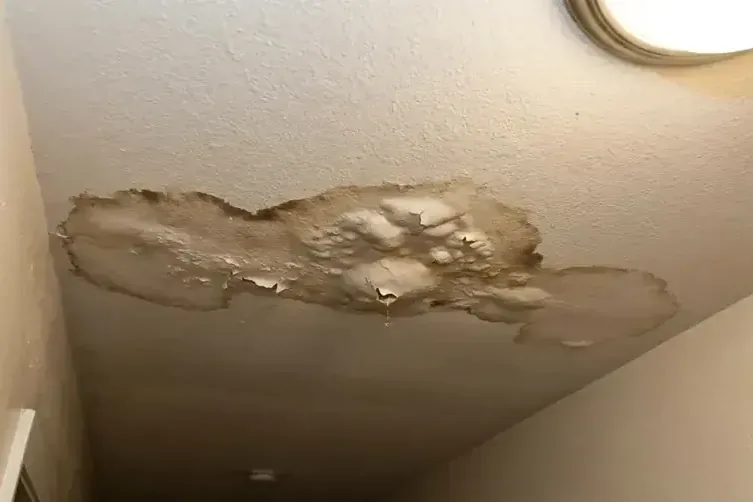 Ceiling Leak Water Damage in Woodland ParkCeiling cleanup addresses wet drywall, insulation and framing after an overhead release. The source may sit in a bathroom, supply pipe or another space above the stain, so inspection follows the water path.
Frozen Pipe Water Damage in CaldwellFrozen-pipe restoration addresses escaped water after cold exposure damages a supply pipe or fitting. Plumbing professionals inspect and repair the source while the mitigation crew checks wet cavities, floors and adjoining rooms.
Frozen pipe water damage in Woodland Park, NJ
Frozen pipe damage assessment covers Woodland Park properties, with the thaw status, water supply and affected rooms discussed before restoration access is arranged around wet or concealed plumbing areas.
The same service nearby: frozen pipe water damage in Caldwell, Totowa, Clifton.
Water damage restoration in Woodland Park · every town coveredFrozen Pipe Water Damage questions
Can a frozen pipe leak only after thawing?
A damaged section may release water only when flow resumes. That makes the thaw period important for source assessment. Any new water should be investigated before normal use continues, with surrounding materials checked for spread beyond the pipe location.
Should intense heat be used on the pipe?
Uncontrolled heating can create additional hazards around plumbing and nearby materials. A suspected frozen or damaged section needs appropriate professional attention. Restoration begins with safe source conditions and focuses on the water already released into the building rather than attempting an improvised thaw procedure.
Why inspect insulation after the pipe is fixed?
Insulation can absorb water or conceal moisture against framing. Repairing the plumbing does not address those surrounding layers. The assessment should determine what can remain and what needs removal so the retained structure has an effective drying path before the cavity is closed.
Can damage appear in a different room?
Water may travel along framing or beneath a floor before becoming visible elsewhere. Nearby rooms and ceilings below can therefore require inspection. The moisture map follows that path and helps define a restoration boundary wider than the opening used to repair the pipe.
Does this cleanup include preventing another freeze?
Future pipe protection is a separate plumbing discussion that should be coordinated with the open assembly. Restoration treats the current wet materials. The scope should clearly identify source repair, drying and any proposed improvements so the owner understands each part of the work.
What if the pipe has thawed but no water is visible?
Suspected damage warrants plumbing assessment before the system returns to use. Accessible surrounding materials can also be checked when there are signs of moisture. Restoration work follows the findings at the affected pipe and the water path through the adjoining assembly.
When can the wall around the pipe be patched?
The source needs correction and the retained assembly needs a documented moisture assessment first. Patching can then be coordinated with remaining insulation or plumbing work. The handoff should identify dried materials and any unresolved access need before finishes conceal the area again.
Complete the drying around the repaired pipe
A clear moisture record helps coordinate cavity closure, replacement insulation and any separate protection work after the current water damage has been addressed.
(888) 471-9821Plan thaw related damage cleanupCaldwell Water Damage Restoration
Caldwell, NJ and nearby Essex County
(888) 471-9821 · open 24/7
Water and sewage losses only
Find us on Google