Frozen Pipe Water Damage in Totowa
A frozen section can hide a split until water begins moving again. Totowa cleanup after a thaw release needs source assessment and inspection of nearby cavities, including areas that stayed quiet while the pipe was frozen.
(888) 471-9821Discuss water released during thawing- Thaw release assessment
- Concealed spread inspection
- Plumbing repair coordination
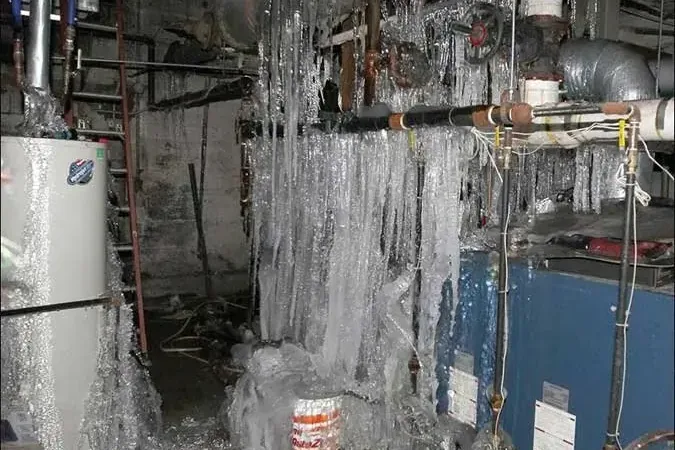
First steps for frozen pipe water damage
- Describe the sequence of changes. The owner can note reduced flow, visible ice and when water appeared indoors. That sequence helps connect thawing with the release while avoiding repeated tests that could add water.
- Avoid improvised heating of pipework. A suspected frozen section should receive appropriate professional attention. Improvised heating or access attempts add hazards around wet electrical devices and unstable finishes.
- Use a dry source control route. A reachable shutoff may limit ongoing release when safe to operate. The owner should avoid crossing standing water or reaching into an affected cavity merely to access a valve or connection.
- Follow the later wetting pattern. After the pipe is assessed, the cleanup scope should check walls, flooring and adjoining rooms for delayed water movement, with measurements used to identify materials that remain wet after normal flow returns.
How frozen pipe water damage is handled
Connect thawing observations with the release
The assessment records flow changes and visible damage. Plumbing source control is coordinated with inspection of surrounding materials. This establishes the release point and concealed water path, including surfaces that changed after thawing began. Source and material findings then define the removal and drying work needed around the repaired pipe.
Remove water and reveal the affected layers
Extraction addresses accessible liquid, while controlled openings can expose wall or floor materials receiving the release. The scope incorporates plumbing access where practical and explains any additional removal. Damage documentation defines the repair boundary from the wet materials around and beyond the pipe opening.
Track the retained materials after repair
Drying equipment responds to the inspected layers and remaining moisture. Readings check the receiving surfaces and adjoining areas where delayed migration may occur. Persistent dampness prompts reassessment of access or source control, keeping the plan tied to the material response instead of assuming restored water flow means the damage has stopped evolving.
What does frozen pipe water damage cost in Totowa, NJ?
Frozen pipe water damage in Totowa has planning ranges from $1,300 to $9,000+. Concealed spread, access and the number of receiving rooms affect the cleanup. Pipe repair, improvement work and replacement finishes should be distinguished from extraction and material drying in the estimate.
For a closer planning number, run the water damage cost calculator. The restoration contractor who responds sets the real scope after the walkthrough and the moisture map.
Frozen Pipe Water Damage restoration sequence
- 01
Connect thawing observations with the release
The assessment records flow changes and visible damage. Plumbing source control is coordinated with inspection of surrounding materials. This establishes the release point and concealed water path, including surfaces that changed after thawing began. Source and material findings then define the removal and drying work needed around the repaired pipe.
- 02
Remove water and reveal the affected layers
Extraction addresses accessible liquid, while controlled openings can expose wall or floor materials receiving the release. The scope incorporates plumbing access where practical and explains any additional removal. Damage documentation defines the repair boundary from the wet materials around and beyond the pipe opening.
- 03
Track the retained materials after repair
Drying equipment responds to the inspected layers and remaining moisture. Readings check the receiving surfaces and adjoining areas where delayed migration may occur. Persistent dampness prompts reassessment of access or source control, keeping the plan tied to the material response instead of assuming restored water flow means the damage has stopped evolving.
- 04
Leave a complete repair handoff
The closing record identifies source repair status, retained material findings and removed finishes. Reconstruction can then address the defined openings and damaged areas. The owner receives separate findings for operational plumbing, material drying and remaining finish work before concealed spaces are closed.
The first sign of damage may arrive when water service returns to a previously frozen section. A split that released little water while blocked can begin wetting a cavity during thawing. The assessment should therefore connect changes in flow with new stains, damp floor edges or water appearing below the pipe.
Keep thawing and source repair under control
A suspected frozen or damaged pipe needs appropriate plumbing assessment. Improvised heating can create hazards or leave an unseen opening unresolved. The cleanup scope starts with the source condition and the affected assembly, then coordinates access needed for both the pipe repair and material inspection.
Totowa has a municipal Water Department and buys drinking water from Passaic Valley Water Commission. A public service issue and a damaged building pipe require different attention. The first report should describe the actual flow change and leak observations to help establish the problem location.
Inspect places that become wet later
For a property near Memorial School, Cherba Place or U.S. Route 46, useful details include the room containing the pipe and any newly wet area below or beside it. A delayed stain may show water leaving a concealed space that was not visible when the pipe was first inspected.
- Note whether wetting began before or after water flow resumed.
- Check accessible wall bases and adjoining floors for later changes.
- Coordinate openings so plumbing access also supports damage inspection.
- Document any remaining cavity that cannot yet be evaluated safely.
Separate restored flow from a dry assembly
Normal fixture operation does not settle the condition of surrounding finishes. Water may remain behind a wall or beneath flooring after the pipe is repaired. Those materials need an inspection and drying plan based on what received the release.
If the split produced a broad spray, pipe damage cleanup addresses that spread. The closing record should connect source repair with material findings and describe what must be replaced before the wall or floor is closed again.
Safety planning starts with Ready.gov flood precautions; household water-use checks appear at EPA WaterSense.
Related water damage services in Totowa
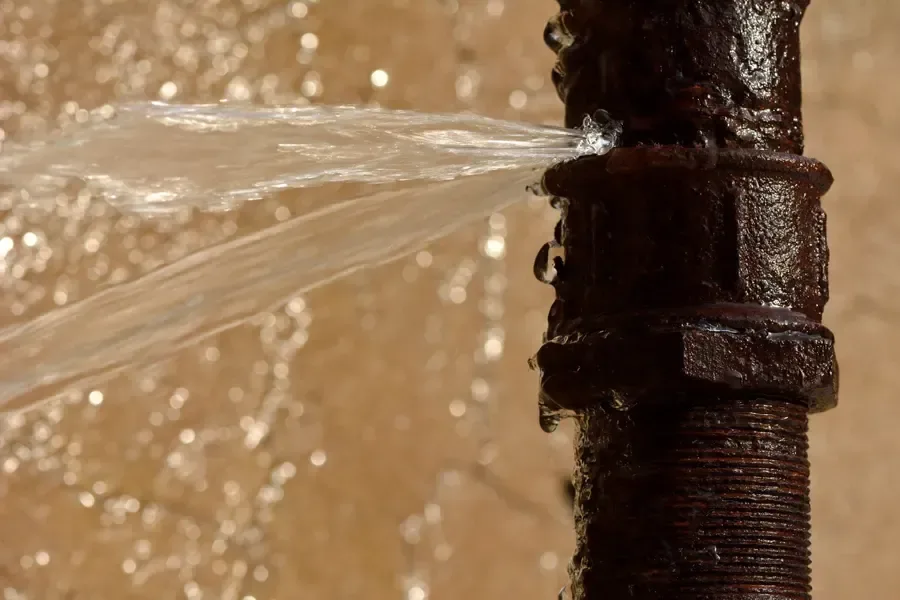 Burst Pipe Water Damage in TotowaBurst-pipe cleanup follows pressurized water through cavities, floor openings and room edges. A plumber repairs the damaged pipe while restoration technicians remove escaped water and establish a drying plan for connected materials.
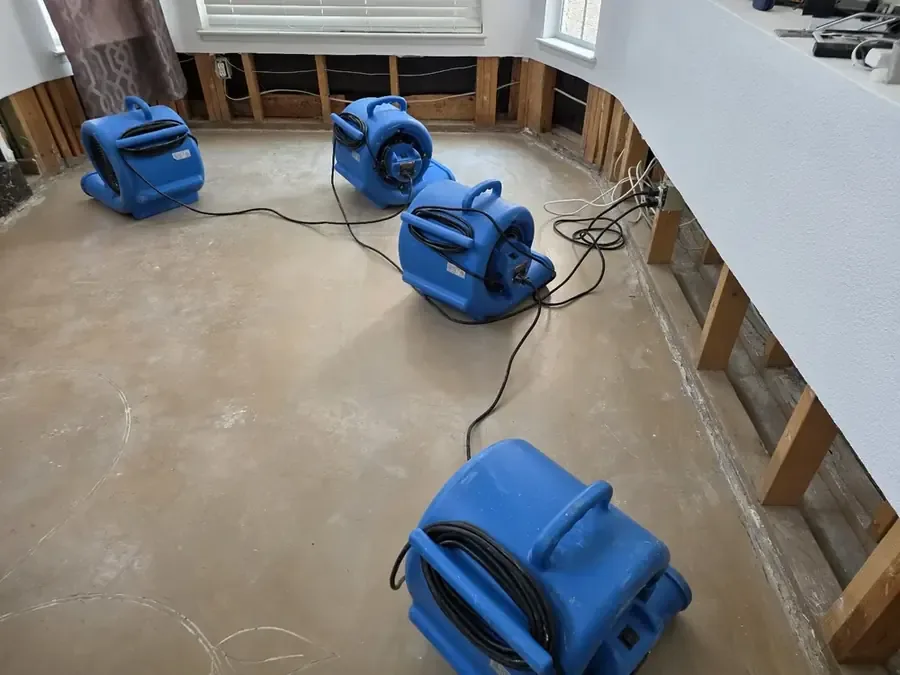 Structural Drying in TotowaStructural drying removes retained moisture from salvageable building materials after source control and extraction. Air movement, dehumidification and temperature management work together, with repeated measurements showing whether the affected assembly is responding.
Frozen Pipe Water Damage in CaldwellFrozen-pipe restoration addresses escaped water after cold exposure damages a supply pipe or fitting. Plumbing professionals inspect and repair the source while the mitigation crew checks wet cavities, floors and adjoining rooms.
Frozen pipe water damage in Totowa, NJ
Totowa properties near Cherba Place, Memorial School and U.S. Route 46 can describe the affected pipe location, observed flow changes and any wet interior surfaces when discussing cleanup.
The same service nearby: frozen pipe water damage in Caldwell, Woodland Park, North Caldwell.
Water damage restoration in Totowa · every town coveredFrozen Pipe Water Damage questions
Can a pipe begin leaking only after it thaws?
A damaged section can release water as flow returns. New dampness during thawing needs source and material assessment. Describing the timing and first wet location helps connect the plumbing problem with the surfaces that received water.
Does reduced water flow identify a frozen pipe?
Reduced flow can have different causes and requires appropriate assessment. The owner should describe the symptoms rather than assign a source without inspection. Public service concerns belong with the municipality; indoor releases require source control and damage assessment.
Should a property owner heat the suspected section?
Improvised heating can create hazards and may leave concealed damage unresolved. An appropriate plumbing professional should assess the affected section and safe corrective work. If water has reached electrical equipment or an unstable cavity, access conditions also need attention before anyone attempts to approach the pipe.
Why inspect adjoining rooms after the repair?
A thaw release can travel through cavities or floor openings before appearing elsewhere. The room containing the pipe may not show the whole damage boundary. Inspection of adjoining surfaces and material readings help identify moisture that remains after the source repair restores normal plumbing operation.
Can the repair opening serve the drying work?
It may provide useful access to the receiving assembly, but the actual moisture pattern determines whether it is sufficient. Cleanup and plumbing work should coordinate those needs. Any additional opening should have a clear purpose tied to damaged material, inspection or drying access beyond the original repair point.
What if a stain appears later in the day?
Delayed water movement can reveal a wet layer that was previously concealed, or indicate a continuing release. The change should be documented and assessed rather than immediately covered. Its timing and location help connect the new symptom with the source repair and the existing moisture map.
When is the room ready for replacement finishes?
Replacement finishes follow source repair and assessment of retained materials. Moisture readings and physical condition identify drying needs and damaged sections requiring replacement. The handoff should define the repair opening and remaining work before walls or floor layers are covered.
Follow the release after flow returns
Material inspection and drying can address what the pipe repair leaves behind, with a defined repair boundary and clear findings before the affected assembly is closed again.
(888) 471-9821Discuss cleanup after the thawCaldwell Water Damage Restoration
Caldwell, NJ and nearby Essex County
(888) 471-9821 · open 24/7
Water and sewage losses only
Find us on Google