Structural Drying in Lincoln Park
An empty room can still contain wet framing and concealed layers. Structural drying in Lincoln Park uses material measurements, suitable access and safe electrical service to turn water removal into a documented path toward rebuilding.
(888) 471-9821Discuss moisture inside the assembly- Material readings
- Safe equipment power
- Drying progress records
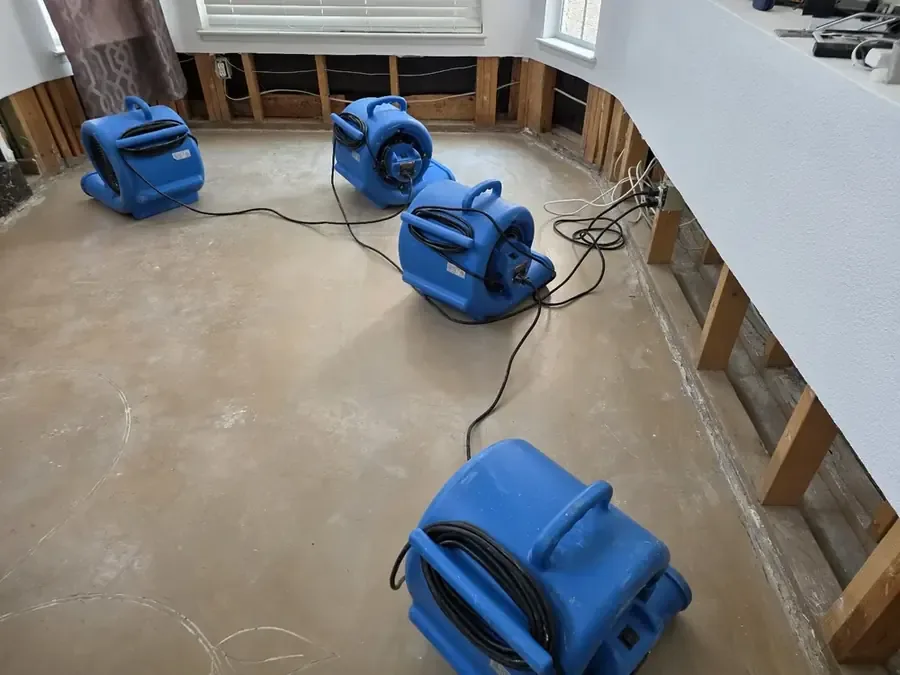
First steps for structural drying
- Identify what remains wet. Describe the affected walls, flooring and ceiling areas after liquid removal. Include opened cavities and retained coverings so the assessment can focus on materials that still hold water.
- Report electrical and access limits. Mention outages, wet electrical components or rooms without a safe equipment route. Drying placement must fit the available service and cannot rely on improvised connections through wet areas.
- Keep the equipment arrangement intact. Do not move units, block airflow or change room openings without discussing the effect on the plan. Report noise or access concerns so placement can be adjusted deliberately.
- Preserve measurements for the next trade. Keep material readings and open-assembly photographs with the repair scope. The reconstruction handoff needs a clear explanation of readiness, remaining source work and any surfaces still under observation.
How structural drying is handled
Set a material-based drying objective
The initial map identifies affected materials and suitable comparison locations. Water source correction and any contamination work are considered before equipment setup. The drying objective relates to the retained assembly and intended repair, giving later readings a clear purpose beyond simply showing that the room feels less damp.
Arrange access and moisture removal
Air movement and dehumidification are placed around the actual wet surfaces and available safe power. Coverings or insulation that obstruct useful access are evaluated. The arrangement also considers occupied-room circulation so the equipment can operate without turning normal household passage into an unmanaged work route.
Use measured progress to make adjustments
Repeated readings show how the assembly responds. If moisture remains concentrated or readings stop improving, the assessor considers access, equipment position and possible continued inflow. Adjustments are recorded so the next visit can compare the same material condition and explain changes to the plan.
What does structural drying cost in Lincoln Park, NJ?
Structural drying costs in Lincoln Park depend on retained material, access and the equipment arrangement needed to remove absorbed moisture. These ranges describe different assembly challenges. The estimate should explain monitoring and adjustments alongside any removal or reconstruction that falls outside the drying scope.
For a closer planning number, run the water damage cost calculator. The restoration contractor who responds sets the real scope after the walkthrough and the moisture map.
Structural Drying restoration sequence
- 01
Set a material-based drying objective
The initial map identifies affected materials and suitable comparison locations. Water source correction and any contamination work are considered before equipment setup. The drying objective relates to the retained assembly and intended repair, giving later readings a clear purpose beyond simply showing that the room feels less damp.
- 02
Arrange access and moisture removal
Air movement and dehumidification are placed around the actual wet surfaces and available safe power. Coverings or insulation that obstruct useful access are evaluated. The arrangement also considers occupied-room circulation so the equipment can operate without turning normal household passage into an unmanaged work route.
- 03
Use measured progress to make adjustments
Repeated readings show how the assembly responds. If moisture remains concentrated or readings stop improving, the assessor considers access, equipment position and possible continued inflow. Adjustments are recorded so the next visit can compare the same material condition and explain changes to the plan.
- 04
Assess the retained structure before closure
Completion is based on the material findings and repair requirements, with remaining concerns identified explicitly. The handoff documents the source status, exposed layers and readiness for reconstruction. Equipment removal is one event in that sequence, while the moisture record explains why the retained assembly can proceed.
Drying equipment earns its place through the material it needs to affect. Insulation behind a wall needs direct assessment of its condition and drying access before the cavity is closed. The plan should name the wet assembly, describe useful access and define how progress will be measured.
Power availability belongs in the first conversation
Borough flood warnings include power interruptions as well as road and bridge closures. A safe electrical arrangement therefore matters alongside the water condition. Report an outage, submerged equipment or restricted access before assuming that ordinary outlets can support the proposed drying setup.
Route 202, Two Bridges Road and Jacksonville Road appear in borough access information. Current restrictions can affect equipment delivery and monitoring visits. Identify the usable entrance and any changes to access so material checks remain part of the plan after the initial setup.
Match access to the moisture-bearing layer
Paint, floor coverings and insulation can slow evaporation from the assembly behind them. Measurements and selective openings help determine whether material can remain or whether removal is needed for effective reach. The goal is an explained drying path, not equipment placed around an unexplored cavity.
- Record readings at consistent material locations for comparison.
- Keep equipment routes clear of household storage and rugs.
- Report changes in power or room use during drying.
- Retain photographs of layers before reconstruction hides them.
Use the completion record to plan reconstruction
The work should end with an assessment of retained materials, rather than a fixed equipment rental period. Changes in readings may call for different airflow, additional access or attention to an overlooked source.
Standing water recovery may precede this stage, while contamination cleanup must be addressed where necessary. Before new finishes are installed, the handoff should connect the corrected source, material condition and any permit inspection sequence relevant to reconstruction.
Safety planning starts with Ready.gov flood precautions; household water-use checks appear at EPA WaterSense.
Related water damage services in Lincoln Park
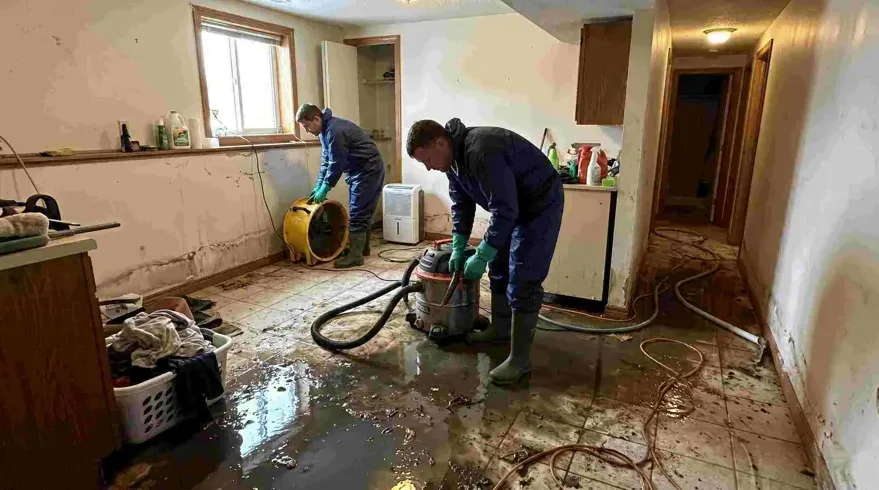 Water Extraction in Lincoln ParkExtraction removes liquid water before dehumidifiers manage the moisture left in materials. Crews choose pumps, wands and vacuum tools around water depth, contamination and the surfaces that need protection.
 Hardwood Floor Water Damage in Lincoln ParkHardwood restoration evaluates moisture across the floor assembly, including board surfaces, backing and subfloor access. Salvage depends on contamination, attachment, distortion and whether the affected layers can dry without leaving concealed moisture.
Structural Drying in CaldwellStructural drying removes retained moisture from salvageable building materials after source control and extraction. Air movement, dehumidification and temperature management work together, with repeated measurements showing whether the affected assembly is responding.
Structural drying in Lincoln Park, NJ
Lincoln Park drying assessments focus on wet building assemblies in homes and occupied properties, with power availability, material access and the original water source included in planning.
The same service nearby: structural drying in Caldwell, Totowa, North Caldwell.
Water damage restoration in Lincoln Park · every town coveredStructural Drying questions
Is a dry-feeling room proof that framing is ready?
Room comfort and material moisture are different observations. A wall cavity or supporting floor layer can remain damp while the air feels normal. Readings at the affected assembly and suitable comparison areas help determine whether further access or drying is needed before closure.
Why do drying units sometimes change position?
Material readings can show that moisture is concentrated in a different area or that an evaporation path is restricted. Adjusting equipment helps respond to those findings. The change should connect to the drying objective rather than merely filling an open space in the room.
Can ordinary outlets always support the equipment?
The electrical arrangement needs to be suitable and safe for the proposed setup. Flood-related outages or wet components can change what is available. Report those conditions and avoid improvised connections; equipment planning must account for the actual service at the property.
Should interior doors remain open during drying?
Door and opening positions can affect the planned room conditions. Follow the arrangement established for the work and discuss necessary changes for household access. Opening every door or moving equipment without coordination can alter how moisture is managed within the affected zone.
Why might a wall need to be opened?
A covering or wet insulation can prevent useful access to retained moisture. Selective openings may allow inspection and drying of the affected layer. The scope should explain what the opening accomplishes and how the remaining material will be checked before replacement finishes are installed.
How long should drying equipment stay?
The needed duration depends on material, access and measured progress rather than a universal calendar promise. Repeated readings show whether the plan is working and whether changes are needed. The completion decision should explain the condition of the retained assembly when equipment is removed.
What should be available before rebuilding starts?
The reconstruction team needs source repair information, material readings and a description of retained or removed layers. Any remaining restrictions or inspections should be identified. This record helps prevent a new finish from covering an assembly that still needs access or additional treatment.
Make reconstruction follow the material record
A documented drying assessment connects the repaired source with the condition of the structure before finish work conceals the affected layers.
(888) 471-9821Plan assembly drying checksCaldwell Water Damage Restoration
Caldwell, NJ and nearby Essex County
(888) 471-9821 · open 24/7
Water and sewage losses only
Find us on Google