Water Extraction in Lincoln Park
Puddles can conceal wet flooring seams and electrical hazards. Water extraction in Lincoln Park begins by identifying what entered the building, where it collected and whether another release is still feeding it.
(888) 471-9821Discuss the standing water source- Pump access
- Water classification
- Floor edge checks
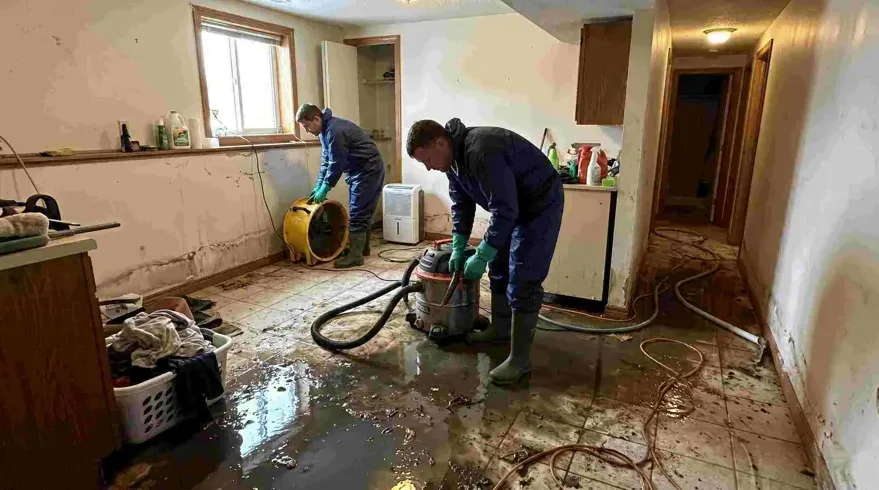
First steps for water extraction
- Identify the incoming source. Describe whether water followed rainfall, a plumbing release or a drain backup. Mention continuing inflow before the removal plan assumes conditions have stabilized.
- Protect the access path. Keep people on a dry approach and avoid wet electrical equipment. Clear loose belongings only where moving them does not require entering unsafe water.
- Record the visible boundary. Take photographs from the doorway and note adjoining rooms with wet edges. This helps explain how far the release spread before extraction began.
- Arrange the next assessment. Explain floor coverings, stairs and any blocked entrance. The equipment plan needs these practical details alongside the water depth and likely contamination history.
How water extraction is handled
Establish a removal boundary
Inspection identifies the wet rooms and any unsafe approach before equipment enters. The source history determines protective measures, while depth and debris determine the recovery method. A room map records areas that cannot yet be reached so those spaces remain visible in the scope.
Recover accessible liquid
Removal proceeds through the accessible collection points without spreading dirty water into dry rooms. Equipment is selected for the water and debris present. Floor coverings and contents are checked as the level drops because objects that hid the floor may also conceal remaining pockets.
Inspect the newly exposed floor
Once standing water clears, the assessment moves to seams, thresholds and wall bases. Moisture readings help locate absorption beyond the original puddle. Wet padding or inaccessible layers may require selective removal before drying can address the remaining material effectively.
What does water extraction cost in Lincoln Park, NJ?
Water extraction in Lincoln Park depends on accessible volume, debris and the distance equipment must travel inside the building. The ranges below describe removal complexity; saturated finishes and later drying can add work that requires a separate itemized scope.
For a closer planning number, run the water damage cost calculator. The restoration contractor who responds sets the real scope after the walkthrough and the moisture map.
Water Extraction restoration sequence
- 01
Establish a removal boundary
Inspection identifies the wet rooms and any unsafe approach before equipment enters. The source history determines protective measures, while depth and debris determine the recovery method. A room map records areas that cannot yet be reached so those spaces remain visible in the scope.
- 02
Recover accessible liquid
Removal proceeds through the accessible collection points without spreading dirty water into dry rooms. Equipment is selected for the water and debris present. Floor coverings and contents are checked as the level drops because objects that hid the floor may also conceal remaining pockets.
- 03
Inspect the newly exposed floor
Once standing water clears, the assessment moves to seams, thresholds and wall bases. Moisture readings help locate absorption beyond the original puddle. Wet padding or inaccessible layers may require selective removal before drying can address the remaining material effectively.
- 04
Transfer to a drying plan
The removal record identifies recovered areas, discarded materials and remaining damp assemblies. Air movement and dehumidification then address retained moisture where appropriate. Final extraction photographs alone are insufficient; the next stage needs measurements and a defined target for the materials left in place.
A room full of water presents two jobs: remove the liquid and determine what absorbed it. Vacuum recovery can expose the floor quickly, but the wall perimeter, underlayment and contents still need inspection. The visible water boundary is a starting point for that investigation.
Separate river entry from an indoor release
The Passaic River and Pompton River shape borough boundaries, and low-lying areas experience periodic overflow. Water arriving from outside may carry sediment and contamination. A leaking supply connection has a different history, so the intake conversation should identify the source before choosing the extraction approach.
Beaver Dam Brook is also named in borough flood guidance. Its presence does not replace checking the building: look for the actual doorway, drain or damaged pipe that admitted water, and establish whether the level is rising or falling.
Give the removal equipment a safe route
Hoses, pumps and recovery equipment require a stable approach. Wet electrical equipment, softened flooring and falling ceiling material can prevent immediate entry. Access planning should also consider where extracted water can be discharged appropriately without sending it back toward the structure.
- Keep occupants away from wet outlets and submerged equipment.
- Identify debris that could obstruct a pump intake.
- Separate contaminated contents from dry belongings during handling.
- Check behind furniture where shallow water can remain hidden.
Follow the moisture after the puddle disappears
Floor joints and bottom wall plates can retain water after extraction. Measurements help decide whether coverings can remain or whether access is needed beneath them. A dry-looking surface should not end the assessment.
Where wet assemblies remain, targeted material drying carries the work forward. The completion record should distinguish liquid removed, materials opened and areas still under observation so reconstruction starts from a clear picture of the room.
Safety planning starts with Ready.gov flood precautions; household water-use checks appear at EPA WaterSense.
Related water damage services in Lincoln Park
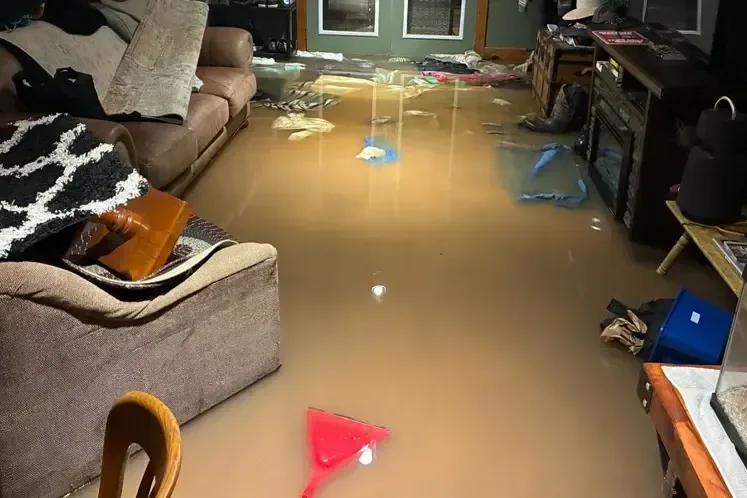 Storm Flood Cleanup in Lincoln ParkStorm flood cleanup addresses water that enters from outside at doors, lower openings or other access points. The crew treats the affected space as contaminated and plans removal, cleaning and drying around safe entry.
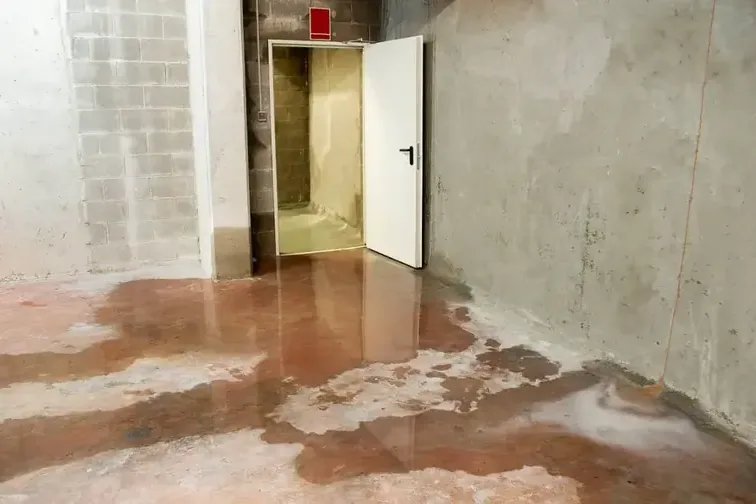 Basement Flooding Cleanup in Lincoln ParkBasement cleanup addresses accumulated water and wet materials below the occupied floors above. The source may be plumbing, outside entry or wastewater, and that distinction controls extraction, cleaning and porous-material decisions.
Water Extraction in CaldwellExtraction removes liquid water before dehumidifiers manage the moisture left in materials. Crews choose pumps, wands and vacuum tools around water depth, contamination and the surfaces that need protection.
Water extraction in Lincoln Park, NJ
Assessment covers Lincoln Park properties with standing water in living rooms, utility spaces or lower levels, with access arranged around current road and building conditions.
The same service nearby: water extraction in Caldwell, Totowa, North Caldwell.
Water damage restoration in Lincoln Park · every town coveredWater Extraction questions
Is extraction enough for a wet carpet?
After water leaves the carpet pile, the padding and subfloor beneath it still need their own inspection. The source and duration of exposure affect whether those layers can remain. Inspection should address the whole floor assembly before deciding that drying is straightforward.
Can a household vacuum remove the water?
A household vacuum not designed for liquid recovery should not be used. Even suitable wet recovery equipment does not resolve electrical hazards or contamination. Large areas, unknown water sources and wet building layers call for an assessment beyond collecting the visible puddles.
Why ask whether water came from outdoors?
Outdoor water may have crossed soil, debris or wastewater before entering. That exposure changes handling and material decisions. A clear-looking puddle can still require protective measures, so its route into the room matters more than color alone during the initial conversation.
Should furniture be moved before the visit?
Small dry items can be moved from a safe position if access permits. Heavy furniture on weakened flooring or surrounded by contaminated water should remain for planned handling. Photograph its position first and identify anything blocking a doorway or collection point.
Can pumps run during a power interruption?
Equipment requires a safe and suitable electrical arrangement. A power interruption changes the plan and may limit access or operation. Report the outage and any submerged electrical equipment; do not improvise connections or enter water to reset a breaker.
How is the wet boundary measured?
The assessment combines visible signs with moisture readings at floor joints, walls and adjoining spaces. Comparison areas help interpret those readings. Water can travel beneath coverings, so the inspection may extend beyond the outline that was visible before extraction started.
What follows removal of the standing water?
Remaining materials are assessed for cleaning, removal or drying. The next scope should identify concealed moisture, the equipment needed and how progress will be checked. Source repair also remains necessary when the original release could restart and wet the area again.
Clear the liquid, then check the layers
An extraction plan should leave a usable record of wet materials and the next drying decisions, with source control addressed alongside removal.
(888) 471-9821Talk through extraction needsCaldwell Water Damage Restoration
Caldwell, NJ and nearby Essex County
(888) 471-9821 · open 24/7
Water and sewage losses only
Find us on Google