Basement Flooding Cleanup in Lincoln Park
A flooded lower level needs an entry assessment before a pump is carried downstairs. Lincoln Park basement cleanup considers outside water conditions, electrical hazards and the materials hidden behind finished walls or stored belongings.
(888) 471-9821Explain the lower-level water entry- Safe stair access
- Outside water conditions
- Finished assembly checks
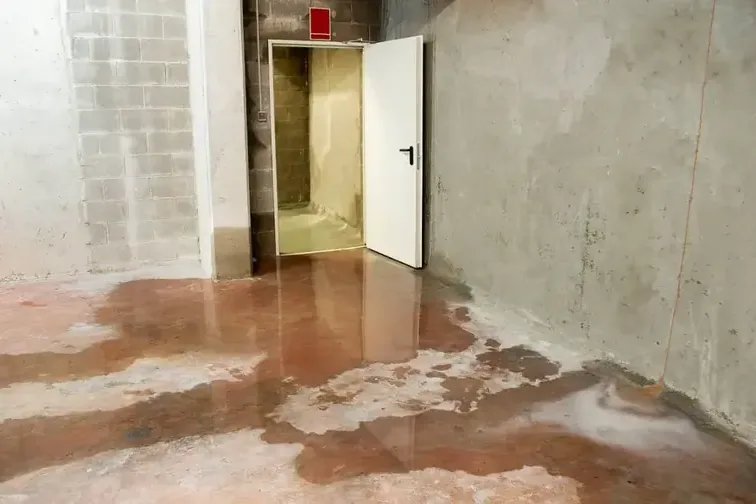
First steps for basement flooding cleanup
- Stay above unsafe water. Observe from stable dry stairs or a doorway. Do not descend toward submerged electrical equipment or unstable surfaces to measure depth or retrieve stored belongings before hazards are assessed.
- Describe ongoing entry and surroundings. Explain whether water still enters and whether it remains outside the building. Removal planning needs both indoor and outdoor conditions when the lower level is affected by flooding.
- List the basement's uses. Identify finished rooms, utility equipment and storage areas without entering unsafe water. Different materials and contents change the handling plan and the access needed after liquid recovery.
- Keep the route available. Leave the staircase and safe entrance clear for assessment. Avoid stacking wet belongings along that route, where they can block equipment movement or transfer contamination into dry living areas.
How basement flooding cleanup is handled
Assess entry conditions and the water source
The first decision concerns safe access to the lower level. Electrical involvement, continued inflow and water surrounding the structure are considered before extraction. The source description distinguishes exterior flooding, plumbing release and drainage trouble so the removal and contamination plans fit the actual incident.
Recover water through a controlled route
Equipment placement and handling follow the safe stair or entrance arrangement. The removal sequence accounts for the condition of the building and remaining outside water. As the level falls, affected stored contents and finishes are documented so later material decisions reflect the original contact area.
Inspect the exposed lower-level assemblies
Wall bases, floor coverings and utility-area materials are checked after liquid recovery improves access. Contaminated or unsuitable layers are evaluated for removal, while retained materials need appropriate cleaning and drying. The open concrete area is assessed together with partitions and contents that may still hold absorbed water.
What does basement flooding cleanup cost in Lincoln Park, NJ?
Basement cleanup in Lincoln Park depends on water conditions, access and the amount of finished or contaminated material below ground. These ranges support scope planning. Source repairs, equipment service and replacement finishes should be itemized alongside removal, cleaning and drying.
For a closer planning number, run the water damage cost calculator. The restoration contractor who responds sets the real scope after the walkthrough and the moisture map.
Basement Flooding Cleanup restoration sequence
- 01
Assess entry conditions and the water source
The first decision concerns safe access to the lower level. Electrical involvement, continued inflow and water surrounding the structure are considered before extraction. The source description distinguishes exterior flooding, plumbing release and drainage trouble so the removal and contamination plans fit the actual incident.
- 02
Recover water through a controlled route
Equipment placement and handling follow the safe stair or entrance arrangement. The removal sequence accounts for the condition of the building and remaining outside water. As the level falls, affected stored contents and finishes are documented so later material decisions reflect the original contact area.
- 03
Inspect the exposed lower-level assemblies
Wall bases, floor coverings and utility-area materials are checked after liquid recovery improves access. Contaminated or unsuitable layers are evaluated for removal, while retained materials need appropriate cleaning and drying. The open concrete area is assessed together with partitions and contents that may still hold absorbed water.
- 04
Prepare the basement for its next use
Measurements establish the condition of retained building materials before storage or reconstruction blocks access. The handoff records source correction, cleaned areas and unfinished tasks. Utility equipment service and any construction inspections remain visible in that sequence rather than being assumed complete when the basement floor is clear.
The view from the stairs rarely shows the full basement loss. Water can surround equipment, soak stored contents and enter wall cavities beyond the visible pool. Keep the initial description focused on what can be observed safely, including whether water continues to enter.
Consider the outside level before pumping decisions
Low-lying borough areas experience periodic waterway overflow. The Passaic River, Pompton River and Beaver Dam Brook provide local context for asking about outdoor conditions, but the assessment must establish the actual entry route at the building. A drain backup and exterior flood entry require different source investigations.
Water remaining against the structure can affect removal planning. Electrical equipment below the water level and signs of structural movement also need attention before entry. The safest first step may be keeping the staircase clear while the appropriate assessment is arranged.
Unfinished appearance can conceal absorbent materials
Even a concrete-floored basement may contain wall framing, stored paper goods and equipment bases that absorbed water. Finished rooms add coverings, insulation and partitions to the inspection. The cleanup scope should describe those materials rather than treating the entire lower level as a washable empty shell.
- Report submerged outlets, appliances or electrical panels immediately.
- Identify water entering through drains, openings or wall edges.
- Keep saturated storage separate from dry household contents.
- Describe any softened ceiling or wall finish below ground.
Follow removal with a perimeter assessment
After the water level drops, inspection can reach floor edges and the bases of partitions. Those locations may retain moisture or contamination despite an open floor that now appears clear.
Where outdoor water caused the loss, storm-related contamination cleanup helps define material handling. A complete basement handoff explains extraction, retained assembly drying and remaining source correction before storage and finish work return to the affected space.
Safety planning starts with Ready.gov flood precautions; household water-use checks appear at EPA WaterSense.
Related water damage services in Lincoln Park
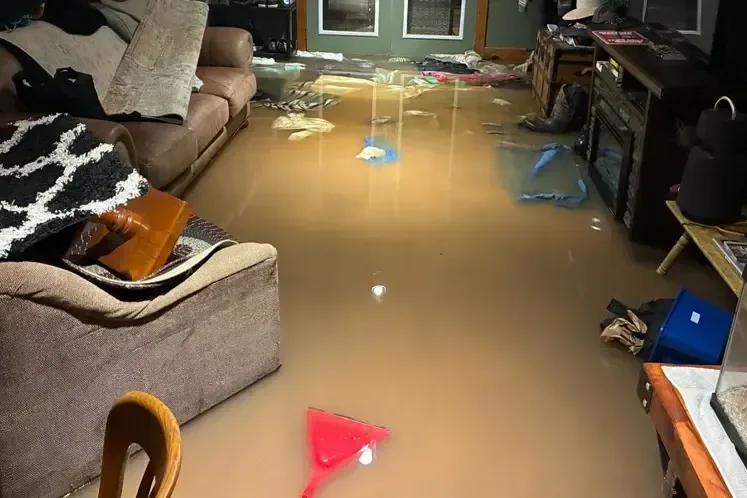 Storm Flood Cleanup in Lincoln ParkStorm flood cleanup addresses water that enters from outside at doors, lower openings or other access points. The crew treats the affected space as contaminated and plans removal, cleaning and drying around safe entry.
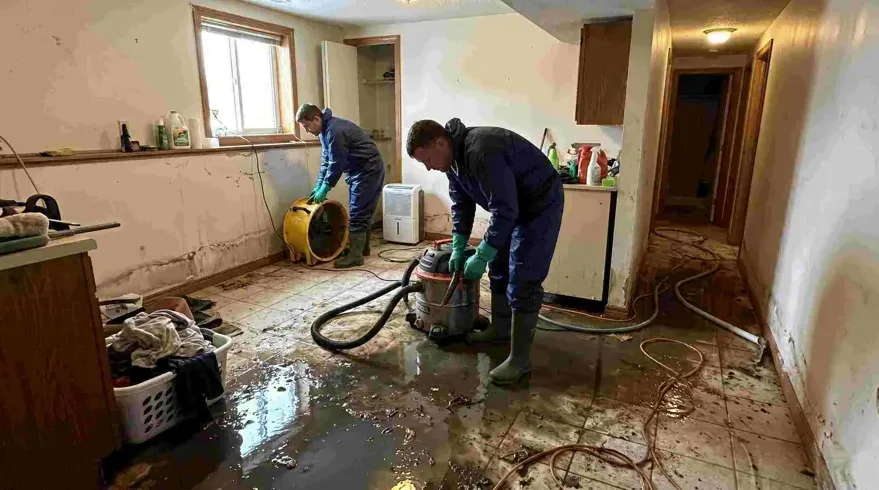 Water Extraction in Lincoln ParkExtraction removes liquid water before dehumidifiers manage the moisture left in materials. Crews choose pumps, wands and vacuum tools around water depth, contamination and the surfaces that need protection.
Basement Flooding Cleanup in CaldwellBasement cleanup addresses accumulated water and wet materials below the occupied floors above. The source may be plumbing, outside entry or wastewater, and that distinction controls extraction, cleaning and porous-material decisions.
Basement flooding cleanup in Lincoln Park, NJ
Lincoln Park basement assessments address lower-level standing water and wet finished spaces, with safe stair access, source conditions and remaining outdoor water considered before removal begins.
The same service nearby: basement flooding cleanup in Caldwell, Totowa, North Caldwell.
Water damage restoration in Lincoln Park · every town coveredBasement Flooding Cleanup questions
Is it safe to walk downstairs through shallow water?
Wet electrical equipment, debris or unstable surfaces can make even shallow water hazardous. Observe from a dry location and report visible conditions instead of entering to collect details that can wait for assessment.
Why ask about water outside the basement?
Surrounding water conditions can affect the building and the removal sequence. Pumping decisions should account for those conditions alongside the indoor level. Describe continuing entry and water against the structure so the plan does not treat the basement as an isolated container.
Does a concrete floor need more than pumping?
The floor may require cleaning, and adjoining materials can retain moisture after water removal. Partitions, stored contents and coverings need their own assessment. Before storage or occupancy resumes, assess the full lower level, including retained materials around the newly exposed concrete surface.
Can cardboard boxes be moved upstairs immediately?
Saturated storage can carry water or contamination into dry areas and may be difficult to handle safely. Photograph accessible items and leave a planned route for removal. The contents assessment should distinguish what can be retained from material that needs disposal or separate treatment.
How is a drain backup distinguished from exterior flooding?
The entry point, fixture behavior and event timing help direct source investigation. Plumbing diagnosis may be needed for a drain problem, while outside conditions shape a flood assessment. Describe the observed entry route so the assessment can match cleanup to the actual source.
Will finished basement walls need openings?
Access depends on saturation, contamination and construction. Wet insulation or concealed layers can prevent useful drying from the room side alone. Any proposed opening should explain what it exposes and how retained materials will be checked before replacement finishes close the assembly.
When can storage return against the walls?
Keep storage away until cleaning, retained material drying and required repair access are addressed. Boxes placed against damp wall bases can absorb water and obstruct observation. The handoff should identify ready areas and any perimeter that still needs equipment, inspection or reconstruction access.
Recover more than the open floor
A complete lower-level plan follows extraction with cleaning and material checks before storage, equipment use or new finishes conceal the affected perimeter again.
(888) 471-9821Plan lower-level cleanup accessCaldwell Water Damage Restoration
Caldwell, NJ and nearby Essex County
(888) 471-9821 · open 24/7
Water and sewage losses only
Find us on Google