Storm Flood Cleanup in Lincoln Park
Flood recovery starts before anyone carries a pump inside. In Lincoln Park, river conditions, closed roads and interrupted power can affect when a building becomes accessible and how contaminated rooms should be handled.
(888) 471-9821Discuss flood entry and access- Safe reentry
- Contamination boundaries
- Flooded material assessment
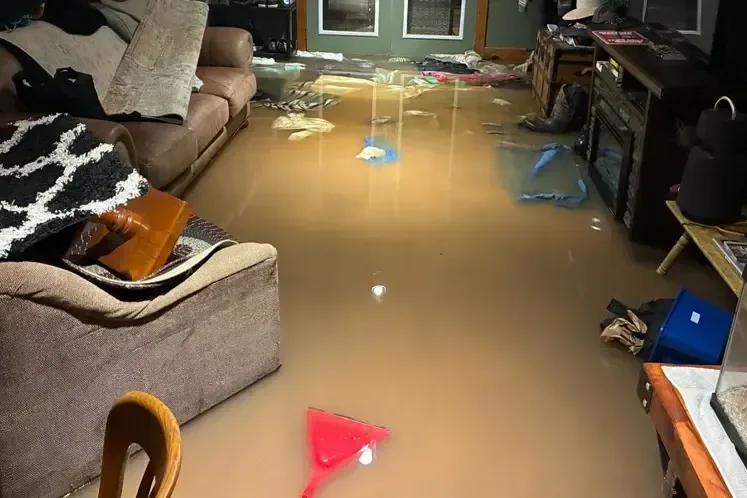
First steps for storm flood cleanup
- Respect reentry restrictions. Follow current road and building access instructions. A familiar entrance may be unsafe after flooding, particularly when power is interrupted or water remains around electrical equipment.
- Describe the outside water path. Explain whether entry occurred through a doorway, low opening or drain and whether the outdoor level remains high. These details affect removal sequencing and contamination assessment.
- Keep wet contents separated. Avoid carrying saturated furniture through clean rooms or mixing affected belongings with dry storage. Photograph items where they are accessible and leave difficult handling for the cleanup plan.
- Record the first safe observations. Note the high-water mark, sediment and rooms reached once access is safe. This record helps define cleanup boundaries even after the visible water has receded from the floor.
How storm flood cleanup is handled
Assess the building after safe access
The first inspection identifies continuing inflow, electrical concerns and unstable materials. The source route and high-water boundary are recorded before cleanup changes the scene. Outdoor conditions are considered alongside indoor water levels so extraction does not proceed on an assumption that the surrounding flood has ended.
Remove water and affected porous materials
Recovery equipment addresses accessible liquid while contaminated contents and absorbent finishes are evaluated. Handling routes keep dirty materials away from unaffected areas. Removal decisions consider actual contact and cleaning access, with photographs preserving the condition of assemblies before they are opened or discarded.
Clean retained surfaces before directed drying
Sediment and contamination are addressed on materials suitable to remain. The work area and equipment arrangement support controlled cleaning rather than spreading residues through dry rooms. Once that phase is appropriate, drying focuses on retained framing, floor systems and other assemblies that absorbed the floodwater.
What does storm flood cleanup cost in Lincoln Park, NJ?
Storm flood cleanup in Lincoln Park varies with contaminated material volume, access and the number of rooms reached. These ranges support planning for flood damage work. Structural repairs, replacement contents and source protection require their own clear descriptions alongside cleaning and drying.
For a closer planning number, run the water damage cost calculator. The restoration contractor who responds sets the real scope after the walkthrough and the moisture map.
Storm Flood Cleanup restoration sequence
- 01
Assess the building after safe access
The first inspection identifies continuing inflow, electrical concerns and unstable materials. The source route and high-water boundary are recorded before cleanup changes the scene. Outdoor conditions are considered alongside indoor water levels so extraction does not proceed on an assumption that the surrounding flood has ended.
- 02
Remove water and affected porous materials
Recovery equipment addresses accessible liquid while contaminated contents and absorbent finishes are evaluated. Handling routes keep dirty materials away from unaffected areas. Removal decisions consider actual contact and cleaning access, with photographs preserving the condition of assemblies before they are opened or discarded.
- 03
Clean retained surfaces before directed drying
Sediment and contamination are addressed on materials suitable to remain. The work area and equipment arrangement support controlled cleaning rather than spreading residues through dry rooms. Once that phase is appropriate, drying focuses on retained framing, floor systems and other assemblies that absorbed the floodwater.
- 04
Document readiness and remaining repairs
Material measurements track drying progress after cleanup. The handoff identifies which areas are ready for reconstruction, which remain restricted and what other trades must address. Contents records and open-wall photographs stay connected to the scope so later replacement decisions can be traced to the actual damage.
Floodwater may leave a thin residue after the level falls, but that residue is only part of the damage. Water can soak wall bases, contents and floor layers while carrying debris through the building. The cleanup boundary should follow actual contact, including places no longer visibly wet.
A borough shaped by more than one waterway
The Passaic River marks part of the southern border, and the Pompton River shapes the eastern boundary. Beaver Dam Brook, East Ditch and West Ditch also appear in borough flood information. These waterways make source and entry-route questions useful when an owner describes outdoor water indoors.
August to September 2011: Hurricane Irene produced the greatest flood of record described by the borough. A property's current assessment still depends on its own entry path and affected materials, because flood risk can vary within a neighborhood.
Reentry and extraction are separate decisions
Borough warnings identify road and bridge closures as well as power interruptions during flooding. An accessible street does not settle electrical or structural safety inside the building. The removal plan must account for continuing water pressure and the condition of the space being entered.
- Keep children and pets outside the affected work area.
- Photograph reachable damage without walking into contaminated water.
- Identify submerged appliances and electrical equipment before reentry.
- Report whether outdoor water remains against the building.
Make cleaning and drying a deliberate sequence
Contaminated absorbent materials may need removal before retained surfaces can be cleaned and dried. Moving air across dirty wet rooms too early can spread contamination beyond the original boundary.
A lower-level flood assessment may be needed where water collected below ground. Keep the removal record, contents inventory and drying measurements together so replacement work follows a documented assessment of the remaining building materials.
Safety planning starts with Ready.gov flood precautions; household water-use checks appear at EPA WaterSense.
Related water damage services in Lincoln Park
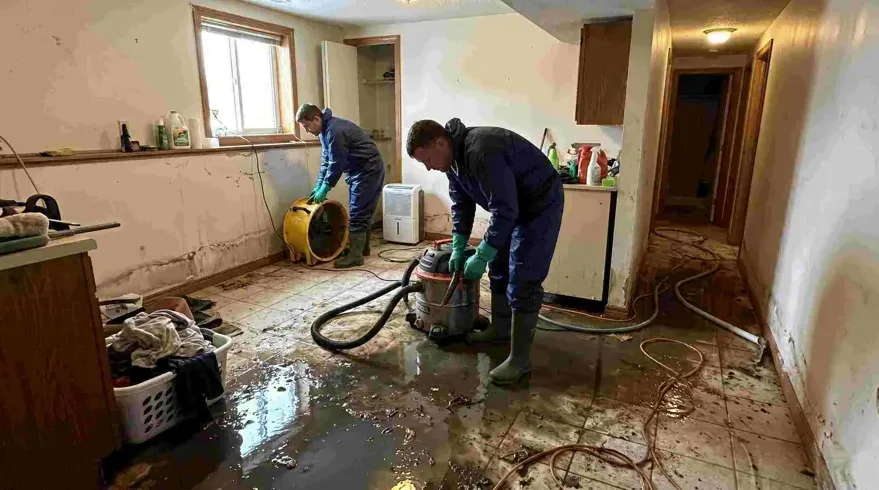 Water Extraction in Lincoln ParkExtraction removes liquid water before dehumidifiers manage the moisture left in materials. Crews choose pumps, wands and vacuum tools around water depth, contamination and the surfaces that need protection.
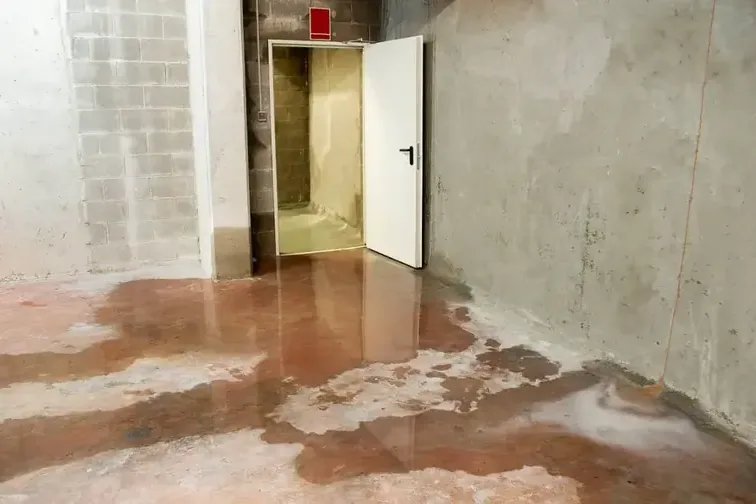 Basement Flooding Cleanup in Lincoln ParkBasement cleanup addresses accumulated water and wet materials below the occupied floors above. The source may be plumbing, outside entry or wastewater, and that distinction controls extraction, cleaning and porous-material decisions.
Storm Flood Cleanup in CaldwellStorm flood cleanup addresses water that enters from outside at doors, lower openings or other access points. The crew treats the affected space as contaminated and plans removal, cleaning and drying around safe entry.
Storm flood cleanup in Lincoln Park, NJ
Lincoln Park flood assessments depend on safe property access and current conditions, with the entry route, affected rooms and available electrical service established before equipment placement.
The same service nearby: storm flood cleanup in Caldwell, Totowa, North Caldwell.
Water damage restoration in Lincoln Park · every town coveredStorm Flood Cleanup questions
Is clear outdoor water safe for ordinary mopping?
Appearance does not reveal everything the water contacted before entering. Outside floodwater can carry contamination and debris even when it looks relatively clear. Handling and material decisions should follow the source history and affected surfaces rather than treating it like a fresh supply spill.
Can cleanup begin as soon as a road reopens?
Road access is only one condition. The building may still have electrical hazards, unstable materials or water pressure outside. Reentry and extraction need their own assessment. Report current restrictions and utility conditions before assuming a cleared route means the rooms are ready for work.
What if floodwater has already drained away?
Sediment, wet absorbent materials and concealed moisture can remain after the floor appears clear. The high-water boundary and entry path still matter. Inspection should address contaminated contact areas and retained moisture instead of limiting the scope to whatever puddles are visible that day.
Should every wet belonging be discarded immediately?
Items need evaluation based on material, contamination and cleanability. Photograph accessible damage and keep an inventory before disposal when safe. Difficult or contaminated handling should be planned, and claim documentation should remain available even when an item cannot reasonably be retained.
Why avoid running ordinary fans right away?
Air movement across contaminated wet surfaces can spread residues into adjacent areas. Cleaning and removal decisions should precede routine drying setup. The appropriate equipment arrangement depends on the water source, work boundary and retained materials after the contaminated portion has been addressed.
Does the borough's flood history describe a specific house?
Individual properties need their own assessment. Borough information states that flood risk can vary within a neighborhood. The inspection should establish that building's actual entry routes, current conditions and affected materials rather than assigning damage from the history of a nearby waterway.
What marks the end of the cleanup phase?
Completion requires more than removing standing water. Retained materials need cleaning and a documented drying assessment, while remaining repairs and restricted areas should be identified. The handoff should explain what is ready for rebuilding and which tasks still belong to another trade.
Recover the building in a controlled sequence
Safe access, contamination control and measured drying belong in one coordinated scope before damaged rooms move toward replacement finishes and ordinary use.
(888) 471-9821Plan post-flood room recoveryCaldwell Water Damage Restoration
Caldwell, NJ and nearby Essex County
(888) 471-9821 · open 24/7
Water and sewage losses only
Find us on Google