Hardwood Floor Water Damage in Lincoln Park
Raised board edges are a reason to measure the floor before choosing a finish repair. Lincoln Park hardwood recovery examines the wood, supporting layers and water history together to determine a practical drying approach.
(888) 471-9821Explain the wet board changes- Board moisture
- Supporting layer checks
- Finish repair timing
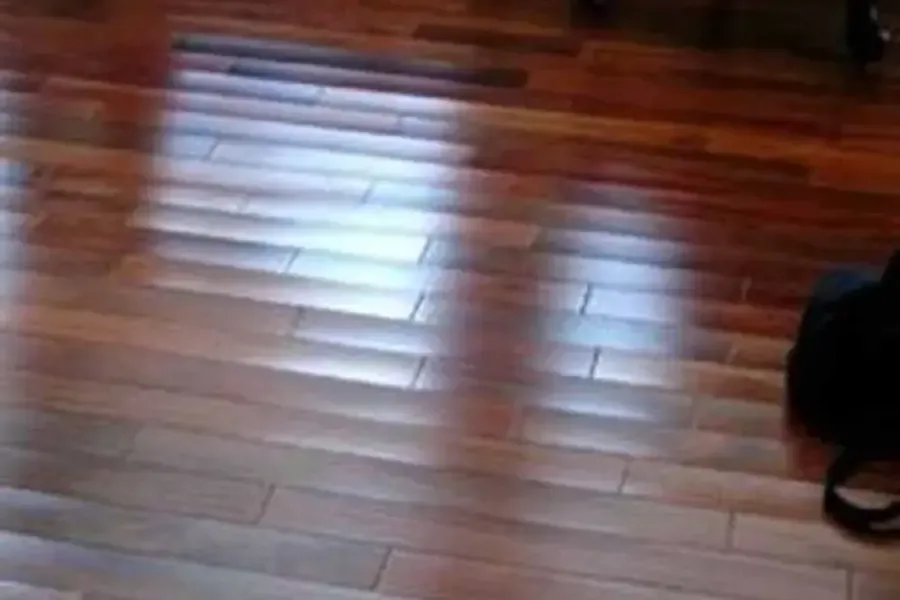
First steps for hardwood floor water damage
- Photograph the board pattern. Record lifted joints, darkened edges and the original wet area from safe footing. These observations preserve the condition before furniture movement or other work changes the visible pattern.
- Avoid early sanding decisions. Do not use sanding to flatten a floor that has not been assessed for moisture stability. Surface correction should follow the drying findings and the condition of the installed product.
- Identify the room beneath. Describe any accessible space below the flooring and whether its ceiling shows wetting. That information helps determine possible inspection routes to the supporting layer without unnecessary removal.
- Keep the assembly accessible. Leave the affected surface uncovered and keep dry stored items away from its edges. Inspection and equipment placement need access to the floor boundary as readings are tracked.
How hardwood floor water damage is handled
Establish the floor's construction and exposure
The assessor identifies the wood product, attachment method and supporting assembly as access permits. Water source and exposure history are recorded alongside visible board changes. Measurements in affected and comparison areas help separate a cosmetic observation from a moisture condition that still requires active treatment.
Determine whether retention has a workable path
The assessment considers contamination, board integrity and access to moisture below the face. Where drying in place is feasible, the plan explains how the supporting layer will be reached. Selective removal is considered when retained finishes prevent useful access or have sustained damage that drying cannot resolve.
Track wood and supporting material together
Equipment addresses the identified assembly rather than only the visible surface. Readings are repeated at relevant locations, and the plan changes if moisture remains trapped or progress stalls. Board shape is observed alongside those measurements because appearance and moisture do not necessarily change at the same pace.
What does hardwood floor water damage cost in Lincoln Park, NJ?
Hardwood floor recovery in Lincoln Park varies with the installed assembly, contamination and the moisture beneath the boards. These ranges describe restoration complexity. Sanding, replacement boards and finish matching should be separately explained after the retained floor's condition is assessed.
For a closer planning number, run the water damage cost calculator. The restoration contractor who responds sets the real scope after the walkthrough and the moisture map.
Hardwood Floor Water Damage restoration sequence
- 01
Establish the floor's construction and exposure
The assessor identifies the wood product, attachment method and supporting assembly as access permits. Water source and exposure history are recorded alongside visible board changes. Measurements in affected and comparison areas help separate a cosmetic observation from a moisture condition that still requires active treatment.
- 02
Determine whether retention has a workable path
The assessment considers contamination, board integrity and access to moisture below the face. Where drying in place is feasible, the plan explains how the supporting layer will be reached. Selective removal is considered when retained finishes prevent useful access or have sustained damage that drying cannot resolve.
- 03
Track wood and supporting material together
Equipment addresses the identified assembly rather than only the visible surface. Readings are repeated at relevant locations, and the plan changes if moisture remains trapped or progress stalls. Board shape is observed alongside those measurements because appearance and moisture do not necessarily change at the same pace.
- 04
Hand off the floor for finish decisions
The final record describes material readings, retained or removed boards and remaining distortion. Sanding or replacement decisions follow the assessed condition and requirements of the intended floor system. The finish work scope remains distinct from drying so an owner can see what has been accomplished and what still needs attention.
A wood floor can show distortion after its top surface stops feeling wet. Moisture beneath boards may differ from moisture at the face, and the supporting layer can hold water longer. The decision to sand or replace should follow an assessment of that assembly.
Identify the flooring before choosing recovery equipment
Solid wood, layered products and different attachment methods respond differently to wetting. Inspection should identify what is installed, how it connects to the substrate and where water entered. Photographs of lifted edges or damaged seams help document change, but measurements are needed to interpret the condition.
John Dods House is a listed historic place in the borough. Its presence is a useful reminder to identify each building's actual materials rather than assume every local floor is alike. Properties described by Main Street or Barney Road need the same individual assembly assessment.
Let the supporting layers shape the drying plan
Water may pass between boards or enter from a wall edge. If the subfloor remains wet, airflow across the finished face alone may not address it. Access from below or selective lifting may be considered where the construction and contamination permit retention.
- Remove loose rugs from reachable dry footing when safe.
- Record changes in joints before sanding alters the surface.
- Identify any wet ceiling beneath the affected floor.
- Keep heavy furniture moves out of weakened areas.
Make sanding a later material decision
A flattened appearance is not the sole goal of recovery. The floor needs stable conditions before finish work can be planned responsibly. Repeated readings help show whether the assembly is progressing or whether another access method is needed.
Concealed floor leakage may require plumbing coordination as well. The handoff should describe retained boards, unresolved distortion and substrate condition so the finish contractor receives a clear basis for the next decision.
Safety planning starts with Ready.gov flood precautions; household water-use checks appear at EPA WaterSense.
Related water damage services in Lincoln Park
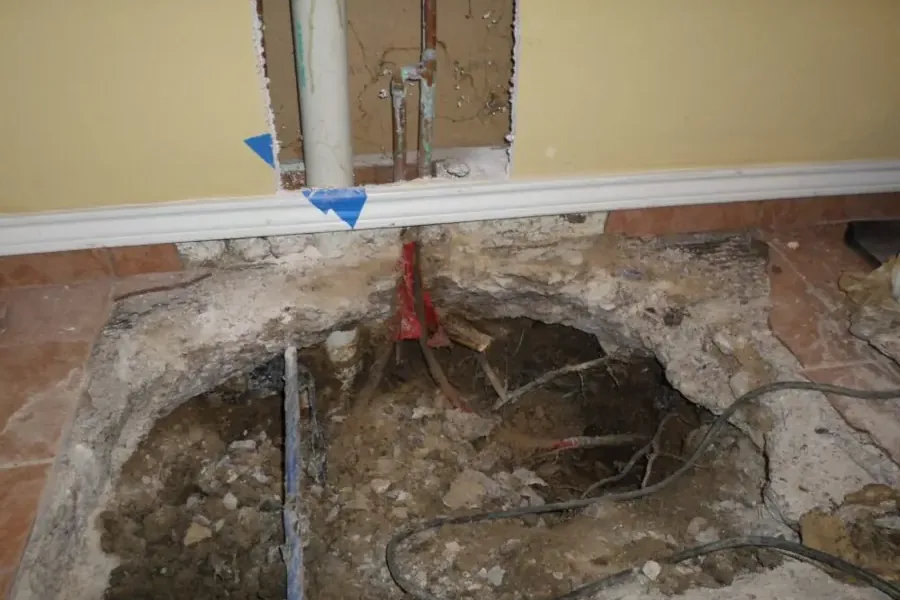 Slab Leak Water Damage in Lincoln ParkSlab leak restoration addresses water that has escaped beneath or through a concrete floor assembly. Plumbing diagnosis identifies the source; extraction, selective access and controlled drying address the materials already affected.
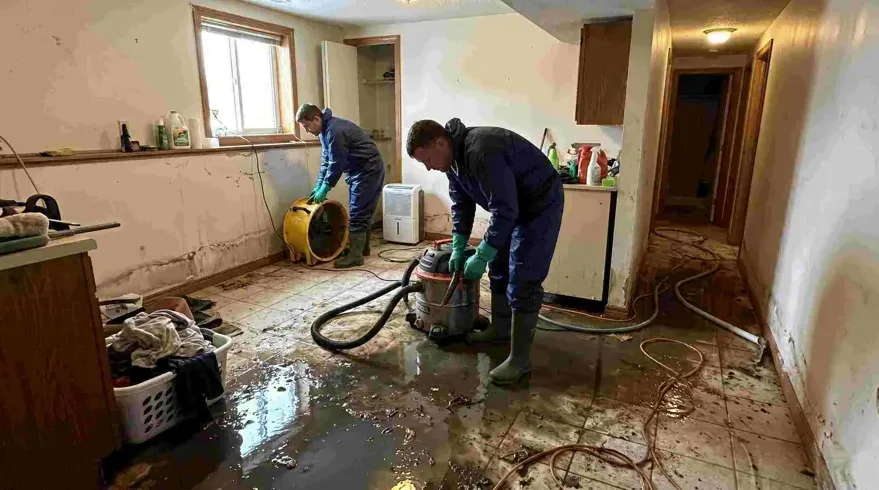 Water Extraction in Lincoln ParkExtraction removes liquid water before dehumidifiers manage the moisture left in materials. Crews choose pumps, wands and vacuum tools around water depth, contamination and the surfaces that need protection.
Hardwood Floor Water Damage in CaldwellHardwood restoration evaluates moisture across the floor assembly, including board surfaces, backing and subfloor access. Salvage depends on contamination, attachment, distortion and whether the affected layers can dry without leaving concealed moisture.
Hardwood floor water damage in Lincoln Park, NJ
Lincoln Park wood floor assessments include wet rooms and connected flooring runs, with the installed material, water source and access beneath the boards considered before repair decisions.
The same service nearby: hardwood floor water damage in Caldwell, Totowa, North Caldwell.
Water damage restoration in Lincoln Park · every town coveredHardwood Floor Water Damage questions
Does a raised edge mean the floor must be replaced?
Board distortion needs assessment of the product, exposure and moisture condition. Some flooring may remain a candidate for drying, while damaged or contaminated assemblies need removal. Appearance alone should not decide the outcome before the supporting layers and attachment method are understood.
Why postpone sanding after a water release?
Sanding changes the surface before moisture-related movement has been assessed. A floor that is still changing can need a different finish decision later. Measurements and material stability should inform the timing rather than using sanding as the first response to raised edges.
Can drying equipment work through the top finish?
The finish and construction affect how moisture can leave the assembly. Useful access may require attention to edges, supporting layers or the space below. The proposed method should explain how it reaches retained moisture instead of assuming airflow across the face is sufficient.
What does the room below reveal?
An accessible ceiling or unfinished space beneath the floor can help show the supporting construction and signs of water travel. Inspection there may improve the drying plan. Keep clear of wet electrical equipment or unstable overhead material while describing that access.
Are all wood-looking floors treated alike?
No. Different products, layers and attachment methods can require different retention decisions. Identifying the actual installed material is part of assessment. A photograph of the decorative face alone may not show the backing or substrate that determines whether useful drying access is available.
Should furniture stay on the wet floor?
Heavy items may obstruct inspection or stress weakened areas, but moving them without planning can cause more damage. Identify their location and leave difficult handling to the work plan. Small dry objects can be moved only where access and footing are safe.
What is useful in the finish contractor handoff?
Provide the source repair status, moisture record, retained material description and any unresolved board distortion. That information supports a better finish decision than a statement that equipment has been removed. It also separates completed drying from replacement or refinishing work still proposed.
Let measurements shape the finish repair
Keep drying findings connected to the next flooring decision so sanding or replacement follows an informed assessment of the retained boards and substrate.
(888) 471-9821Plan measured wood floor recoveryCaldwell Water Damage Restoration
Caldwell, NJ and nearby Essex County
(888) 471-9821 · open 24/7
Water and sewage losses only
Find us on Google