Commercial Water Damage in Totowa
A business water loss affects circulation and work areas as well as wet finishes. Totowa commercial cleanup needs a defined damage boundary, a responsible access contact and a plan for the equipment and materials within that boundary.
(888) 471-9821Discuss the business water loss- Defined work zones
- Contents and access planning
- Documented material treatment
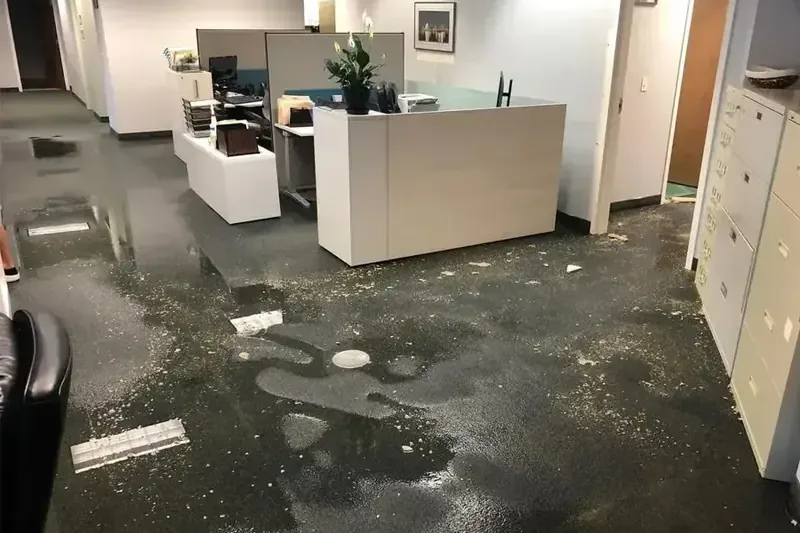
First steps for commercial water damage
- Identify the site decision maker. The first contact should explain who controls access, contents decisions and repair coordination. A defined role helps communicate new findings and avoid conflicting instructions as the affected building area changes.
- Restrict unsafe circulation. Wet floors, electrical concerns and contaminated zones may interrupt familiar routes. Staff and visitors need dry access that stays clear of the work area until the property's current conditions have been assessed.
- Document inventory and building damage separately. Photos and lists should distinguish affected stock, furnishings or equipment from walls and floors. Separate records preserve contents information while removal changes the scene.
- Describe ongoing operational needs. Essential access, occupied rooms and equipment constraints belong in the initial discussion. The plan can then explain practical restrictions and coordinate cleanup stages around the assessed conditions and the business activities proposed.
How commercial water damage is handled
Define the loss and working arrangements
The assessment records the source, water condition and affected rooms alongside the building use. A responsible contact establishes access and decision routes. The scope identifies hazards, contents concerns and dry circulation so treatment proceeds within an understood boundary, with clear communication about restrictions and any changes required as work exposes additional damage.
Remove water and establish material access
Extraction and necessary removal address the receiving surfaces and concealed wet layers. Contents movement is coordinated separately, with documentation preserved before the original scene changes. Work routes account for occupied adjoining areas, while newly exposed damage is communicated to the site contact before it changes the proposed material or reconstruction boundary.
Manage drying around the actual assembly
Retained walls, floors and framing receive a plan based on material condition and available access. Equipment placement considers safe circulation and the established work zone. Repeated readings show the response, allowing adjustments where a concealed layer remains wet or an operational constraint prevents the original arrangement from reaching the affected material effectively.
What does commercial water damage cost in Totowa, NJ?
Commercial water damage cleanup in Totowa has planning ranges from $2,500 to $20,000+. Building size, contaminated areas, contents access and material complexity influence the scope. Equipment repair, inventory treatment and reconstruction should be distinguished from extraction, cleaning and drying in the estimate.
For a closer planning number, run the water damage cost calculator. The restoration contractor who responds sets the real scope after the walkthrough and the moisture map.
Commercial Water Damage restoration sequence
- 01
Define the loss and working arrangements
The assessment records the source, water condition and affected rooms alongside the building use. A responsible contact establishes access and decision routes. The scope identifies hazards, contents concerns and dry circulation so treatment proceeds within an understood boundary, with clear communication about restrictions and any changes required as work exposes additional damage.
- 02
Remove water and establish material access
Extraction and necessary removal address the receiving surfaces and concealed wet layers. Contents movement is coordinated separately, with documentation preserved before the original scene changes. Work routes account for occupied adjoining areas, while newly exposed damage is communicated to the site contact before it changes the proposed material or reconstruction boundary.
- 03
Manage drying around the actual assembly
Retained walls, floors and framing receive a plan based on material condition and available access. Equipment placement considers safe circulation and the established work zone. Repeated readings show the response, allowing adjustments where a concealed layer remains wet or an operational constraint prevents the original arrangement from reaching the affected material effectively.
- 04
Explain readiness and remaining obligations
The handoff records treated materials, drying findings and any continued restriction associated with unfinished work. Contents, equipment repair and reconstruction are identified separately. These findings let the property contact coordinate further trades and operational decisions from the condition of each room.
A wet reception area may interrupt the route to rooms that received no water. A storage spill can affect inventory while the public area still appears normal. Commercial cleanup must therefore assess both the material damage and the way people, contents and equipment move through the building during the work.
Set responsibilities before expanding the work area
The property contact should identify who can authorize access, coordinate source repair and make decisions about affected contents. Clear communication helps separate the immediate cleanup from electrical, plumbing and reconstruction work that may need other trades or building approvals.
Totowa's Municipal Complex and adjacent Public Library are on Cherba Place, while the Community Center is on Union Boulevard. These community locations illustrate the range of building activities in the borough. A commercial damage plan needs the actual site's occupancy and room layout to establish its work zones.
Account for dry areas as well as wet ones
Access planning protects dry circulation and avoids carrying contaminated water or debris through occupied rooms. Equipment placement must consider doors, working surfaces and the route used to remove affected materials. Whether part of the business can remain open depends on conditions established during assessment.
- Identify the release source and the rooms receiving water.
- Separate wet inventory from building finishes in the damage record.
- List restricted entrances, service spaces and essential equipment access.
- Maintain a clear contact for changes discovered during removal.
Connect the drying record with reopening decisions
A room's readiness involves more than the absence of a puddle. The retained assembly, electrical conditions, contents and remaining repair tasks all matter. The cleanup record should identify completed work and any restriction that must remain while another trade finishes its scope.
The Building Department states that most property improvements need permits. Proposed reconstruction can be discussed there while structural drying documents the material condition. This keeps planning grounded in the actual building rather than an assumed schedule for every commercial loss.
Safety planning starts with Ready.gov flood precautions; household water-use checks appear at EPA WaterSense.
Related water damage services in Totowa
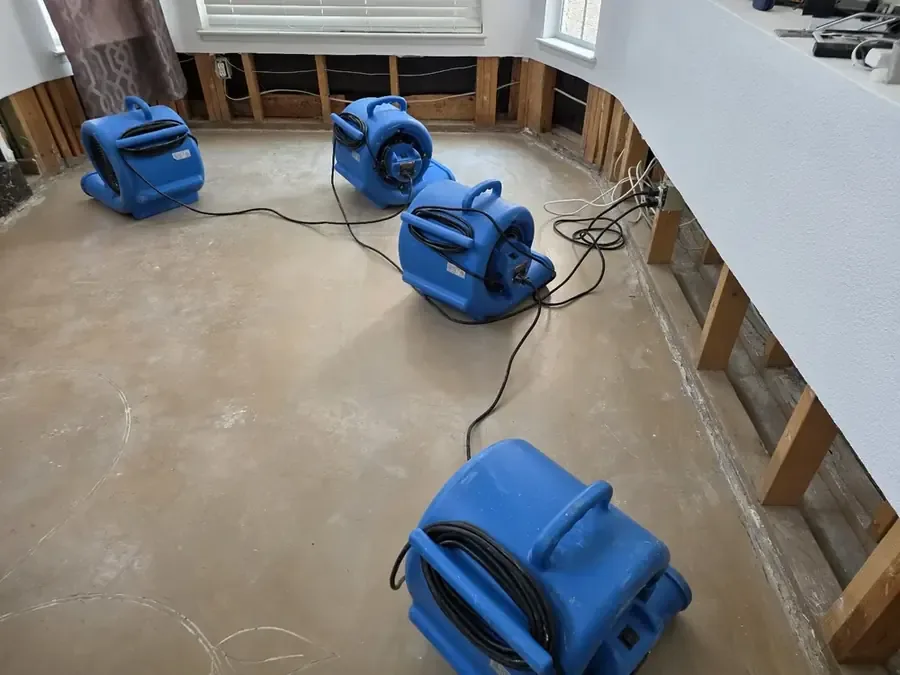 Structural Drying in TotowaStructural drying removes retained moisture from salvageable building materials after source control and extraction. Air movement, dehumidification and temperature management work together, with repeated measurements showing whether the affected assembly is responding.
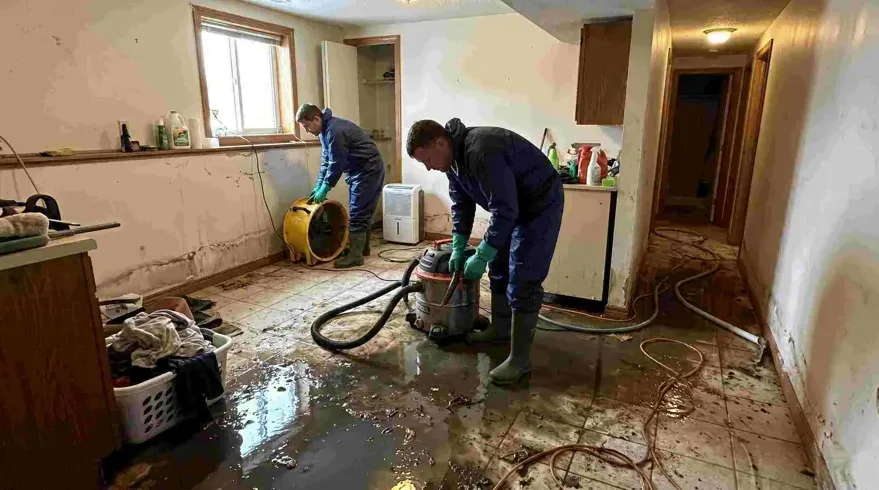 Water Extraction in TotowaExtraction removes liquid water before dehumidifiers manage the moisture left in materials. Crews choose pumps, wands and vacuum tools around water depth, contamination and the surfaces that need protection.
Commercial Water Damage in CaldwellCommercial restoration combines extraction and material drying with access coordination. The contractor identifies wet zones, protects unaffected routes and records work by area so the building contact can understand what remains available and what needs restriction.
Commercial water damage in Totowa, NJ
Businesses around U.S. Route 46, Interstate 80 and Union Boulevard can describe occupied areas, entrance arrangements and the wet zone when discussing water damage cleanup in Totowa.
The same service nearby: commercial water damage in Caldwell, Woodland Park, North Caldwell.
Water damage restoration in Totowa · every town coveredCommercial Water Damage questions
Can a business stay open during cleanup?
Continued operation depends on water condition, safety concerns and access. The assessment can identify dry zones suitable for separate use and explain restrictions around the work area. Circulation needs evaluation before staff or visitors return.
Who should coordinate the initial cleanup discussion?
A person with authority over access and property decisions should serve as the contact. That role can coordinate with owners, occupants and repair trades as needed. Clear communication is especially useful when removal exposes additional damage and a scope change affects inventory, room use or reconstruction planning.
Should damaged stock and wet walls share one list?
Separate records are more useful because contents and building materials may follow different treatment or replacement paths. Photos and item details should be preserved before movement or disposal. The cleanup scope can then explain which tasks address the structure and which contents decisions remain with the responsible contact.
Why inspect rooms that did not visibly flood?
Water can pass through thresholds or concealed floor layers, and access to dry rooms may cross the work zone. Inspection considers both moisture migration and practical circulation. This helps define the cleanup boundary while protecting usable areas from unnecessary disruption or the movement of contaminated debris.
Does commercial drying use a fixed schedule?
The material condition, water exposure and access determine the drying response. Repeated measurements show progress and any need for adjustment. A plan should explain the work stages and operational constraints while avoiding a fixed completion promise that ignores concealed layers or newly discovered damage.
How are permit questions addressed for rebuilding?
The borough Building Department states that most improvements require permits. The property contact can discuss the proposed reconstruction there while cleanup records define the affected assembly. That conversation helps connect replacement work with the actual damage scope and any building information available through existing permit history.
What should be clear before a room reopens?
The handoff should identify completed cleaning and drying, remaining repair work and any ongoing restriction. Electrical systems, contents and operational equipment may need separate clearance or service. A room with no standing water can still require work before it is suitable for its normal business use.
Give each cleanup stage a defined boundary
A clear scope can separate material treatment from contents, equipment and rebuilding decisions, helping the site contact coordinate remaining work and understand restrictions around the affected spaces.
(888) 471-9821Discuss the commercial cleanup scopeCaldwell Water Damage Restoration
Caldwell, NJ and nearby Essex County
(888) 471-9821 · open 24/7
Water and sewage losses only
Find us on Google