Sewage Backup Cleanup in Lincoln Park
Wastewater rising indoors changes which rooms can be used safely. Lincoln Park sewage cleanup begins with keeping the affected space separate and coordinating drain diagnosis before contaminated materials are moved through the building.
(888) 471-9821Describe the wastewater entry point- Restricted access
- Controlled removal
- Retained surface cleaning
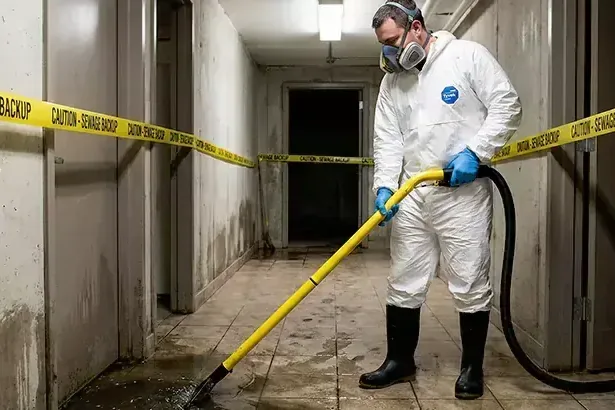
First steps for sewage backup cleanup
- Separate the affected room. Close access where practical without entering wastewater. Keep occupants and pets outside the contact area, and avoid tracking contamination into hallways or adjoining dry spaces.
- Reduce unnecessary water use. Tell the plumbing professional which fixtures are backing up and when the problem occurs. Avoid repeated flushing or appliance discharge that could add wastewater before the source is diagnosed.
- Leave contaminated contents in place. Photograph reachable belongings from a clean location. Moving saturated items without a handling route can enlarge the cleanup boundary and make later documentation more difficult.
- Describe access and occupancy. Identify the room entrance, nearby occupied areas and any building manager involved. The cleanup plan needs a controlled route for equipment, waste handling and remaining household access.
How sewage backup cleanup is handled
Define the wastewater contact boundary
Inspection establishes which rooms, contents and building surfaces contacted the backup. Source diagnosis and fixture restrictions are coordinated before unnecessary water use enlarges the incident. The occupied portion of the building is considered separately so access and handling can be planned around people who remain nearby.
Recover wastewater and remove unsuitable materials
Liquid recovery proceeds within the controlled area, followed by evaluation of absorbent finishes and belongings. Materials unsuitable for retention are documented and handled through a planned route. The removal scope follows actual contamination and access needs rather than relying solely on the visible water mark.
Clean the surfaces that remain
Retained hard surfaces and accessible assemblies receive appropriate cleaning before drying equipment is used routinely. The work addresses residues left after liquid removal and checks that concealed contact areas have not been overlooked. Clean and contaminated handling paths remain distinct throughout this stage of the recovery.
What does sewage backup cleanup cost in Lincoln Park, NJ?
Sewage backup cleanup in Lincoln Park is shaped by contaminated surface area, porous materials and removal access. These ranges reflect different loss sizes. Drain repair and reconstruction should have separate scope descriptions beside extraction, cleaning and retained-material drying.
For a closer planning number, run the water damage cost calculator. The restoration contractor who responds sets the real scope after the walkthrough and the moisture map.
Sewage Backup Cleanup restoration sequence
- 01
Define the wastewater contact boundary
Inspection establishes which rooms, contents and building surfaces contacted the backup. Source diagnosis and fixture restrictions are coordinated before unnecessary water use enlarges the incident. The occupied portion of the building is considered separately so access and handling can be planned around people who remain nearby.
- 02
Recover wastewater and remove unsuitable materials
Liquid recovery proceeds within the controlled area, followed by evaluation of absorbent finishes and belongings. Materials unsuitable for retention are documented and handled through a planned route. The removal scope follows actual contamination and access needs rather than relying solely on the visible water mark.
- 03
Clean the surfaces that remain
Retained hard surfaces and accessible assemblies receive appropriate cleaning before drying equipment is used routinely. The work addresses residues left after liquid removal and checks that concealed contact areas have not been overlooked. Clean and contaminated handling paths remain distinct throughout this stage of the recovery.
- 04
Assess drying and the occupancy handoff
Moisture measurements track retained materials after cleaning. The completion record identifies source repair status, removed assemblies and remaining reconstruction needs. Occupancy decisions account for the work area and unfinished tasks, with clear instructions about any rooms that still require restriction or further professional attention.
A drain that sends wastewater into a room creates a contact area larger than the standing puddle. Shoes, wet belongings and unplanned removal can carry contamination elsewhere. Keep the room separate and describe the fixtures involved before beginning ordinary household cleaning or moving saturated contents.
Locate the drainage problem through plumbing diagnosis
The responsible plumbing professional needs to determine where the obstruction or failure lies. Several affected fixtures, recurring backup and the timing of water use are useful observations. Avoid assigning the cause to a particular pipe or municipal component before that investigation establishes it.
The Borough of Lincoln Park Water/Sewer Department handles municipal water and sewer billing. Account matters belong there, while the immediate loss requires drainage diagnosis and cleanup coordination. Keep incident photographs and plumbing findings together so the source and damage remain clearly connected.
Separate contaminated handling from dry household space
For access near Boonton Turnpike, Ryerson Road or Jacksonville Road, identify the entrance that reaches the affected room with the least disruption to occupied space. The internal route matters: contaminated material should not be carried through a dry living area without planned protection and handling.
- Keep pets and children away from wastewater contact areas.
- Avoid operating fans across dirty floors or wet contents.
- Stop unnecessary fixture use while the backup is investigated.
- Photograph accessible damage without stepping into the affected room.
Evaluate absorbent materials before promising retention
Porous finishes and saturated belongings may not be suitable for cleaning in place. The scope should identify materials that need removal and surfaces that can remain after appropriate treatment. Water extraction alone does not resolve contamination left on or within the assembly.
Where the backup reaches a lower level, basement recovery planning adds access and equipment considerations. Cleaning precedes directed drying, and the completion record should identify remaining repair work and any space that must stay restricted.
Safety planning starts with Ready.gov flood precautions; household water-use checks appear at EPA WaterSense.
Related water damage services in Lincoln Park
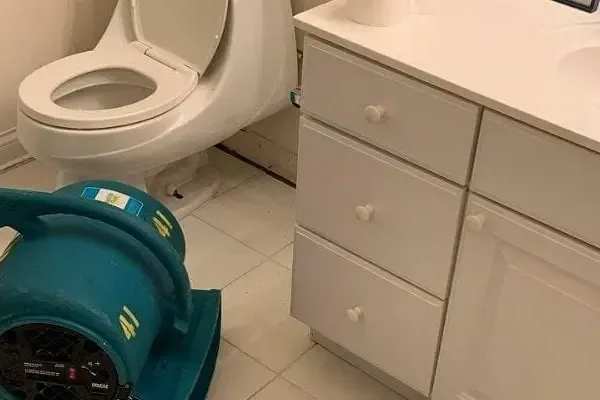 Toilet Overflow Cleanup in Lincoln ParkToilet overflow cleanup distinguishes a clean supply release from bowl water or wastewater. The team controls the affected area and makes material decisions based on what escaped, what it touched and where it travelled.
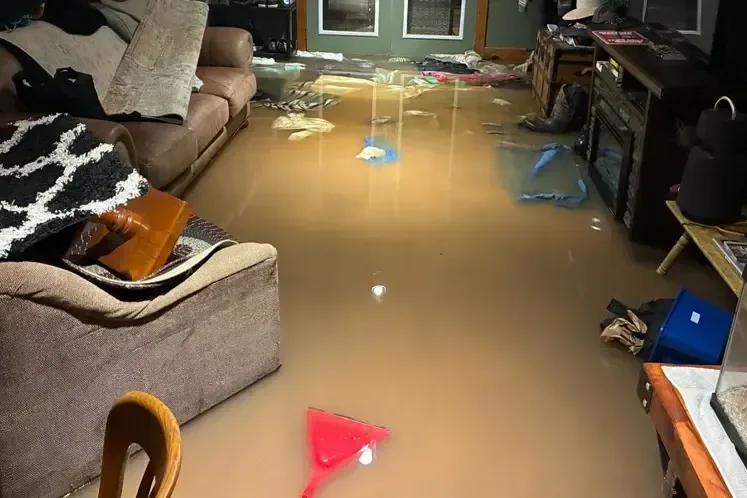 Storm Flood Cleanup in Lincoln ParkStorm flood cleanup addresses water that enters from outside at doors, lower openings or other access points. The crew treats the affected space as contaminated and plans removal, cleaning and drying around safe entry.
Sewage Backup Cleanup in CaldwellSewage backup is Category 3 water. Cleanup combines access control, protective equipment, removal of contaminated porous materials, surface cleaning and suitable antimicrobial treatment before the remaining structure enters monitored drying.
Sewage backup cleanup in Lincoln Park, NJ
Lincoln Park sewage assessments address wastewater in bathrooms, lower levels and connected rooms, with source diagnosis, occupant separation and safe handling routes established for the affected property.
The same service nearby: sewage backup cleanup in Caldwell, Totowa, North Caldwell.
Water damage restoration in Lincoln Park · every town coveredSewage Backup Cleanup questions
Can sewage be handled like ordinary standing water?
Wastewater requires contamination controls and different material decisions from a fresh supply release. Extraction leaves contacted surfaces and absorbent layers to address. Keep the room separate and avoid routine fans or household cleaning that can spread the affected boundary.
Does a backup automatically mean a municipal problem?
The cause needs plumbing diagnosis. A household obstruction, damaged component or another drainage issue can produce similar symptoms indoors. Record affected fixtures and timing, then let the investigation determine the location and responsibility rather than assigning either from the appearance of the spill.
Should normal water use continue elsewhere in the house?
Additional fixture use may contribute to an unresolved backup. Explain which drains are affected to the plumbing professional and follow the resulting restrictions. Repeated flushing or appliance discharge should not be used to test the system while wastewater is entering occupied rooms.
Can contaminated carpet be dried in place?
Absorbent materials exposed to sewage require a retention assessment that considers contamination and cleanability. Ordinary drying does not remove waste contact. The scope should explain material removal or any specialized handling before equipment is arranged to dry the underlying retained assembly.
What information helps when requesting cleanup?
Identify the room, the fixture or drain where wastewater appeared and whether the flow continues. Mention other occupied spaces and any electrical equipment involved. Safe photographs and a description of access are useful without entering the contaminated room to collect more detail.
Why separate cleanup from the drain repair?
The drainage repair addresses why wastewater entered. Cleanup addresses what that water touched after entry. Both require a completion assessment, with the repaired drain and cleaned materials documented separately as the work progresses. Their scopes and records should remain connected.
How is the room's return to use determined?
The handoff considers completed cleaning, retained material condition and remaining source or construction work. Open assemblies and drying equipment can still affect occupancy. A written description of completed tasks and restrictions is more useful than assuming the absence of a puddle means completion.
Restore the room through controlled cleanup
A complete scope connects removal, cleaning and measured drying with the corrected drainage problem before damaged finishes are replaced and normal occupancy resumes.
(888) 471-9821Plan controlled wastewater recoveryCaldwell Water Damage Restoration
Caldwell, NJ and nearby Essex County
(888) 471-9821 · open 24/7
Water and sewage losses only
Find us on Google