Appliance Leak Water Damage in Lincoln Park
A wash cycle can send water into places a mop cannot reach. Appliance leak cleanup in Lincoln Park checks the recess behind the unit, the floor beneath it and any connected occupied space.
(888) 471-9821Describe the appliance spill path- Cycle and source
- Cabinet recess access
- Shared space coordination
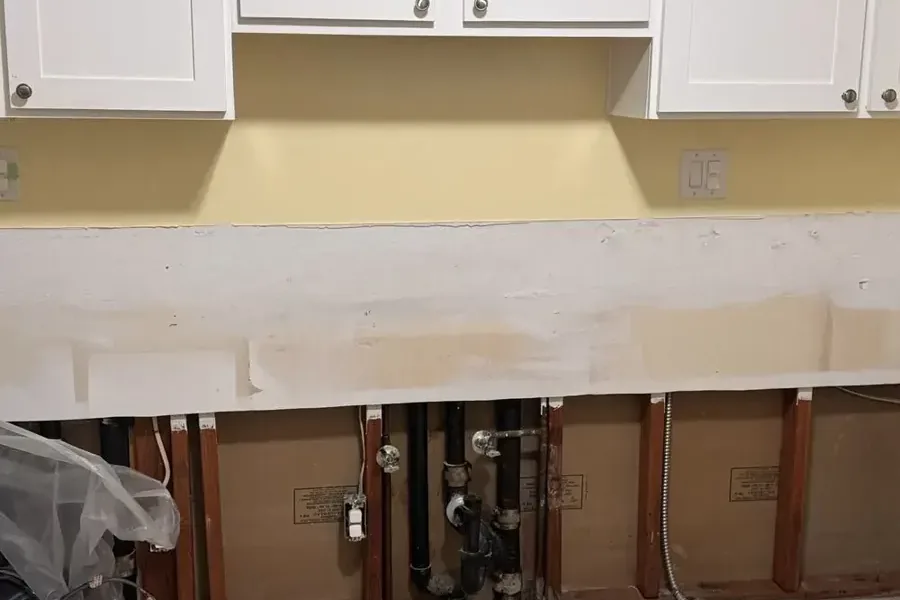
First steps for appliance leak water damage
- Stop using the leaking appliance. End the operating cycle if its controls can be reached safely. Do not repeatedly test the machine while water continues reaching the floor or a concealed cabinet recess.
- Describe the stage of operation. Note whether water appeared during filling, washing or discharge. Include any visible hose or connection issue, but leave disconnection and powered equipment handling to the appropriate professional.
- Notify affected adjoining occupants. If moisture reaches another dwelling or shared space, coordinate access with the responsible person. The assessment needs to follow the spread instead of stopping at the source room's boundary.
- Preserve access to wet edges. Keep dry belongings away from damp cabinet bases and thresholds. Avoid covering the area with rugs or storage while inspection determines whether moisture remains beneath the installed floor.
How appliance leak water damage is handled
Identify the appliance release history
Assessment begins with the operating cycle and any source diagnosis already completed. Incoming water and used discharge can require different handling decisions. The appliance room, adjacent cabinets and spaces below or beside it are considered together so the proposed boundary follows the actual spill rather than the equipment footprint.
Coordinate recess and cabinet access
The unit's movement or disconnection is planned with appropriate technical help. Once access is safe, inspection checks the floor beneath it, cabinet bases and nearby wall openings. Wet materials are documented before removal changes the evidence of how the release traveled through the kitchen or laundry area.
Treat affected surfaces and hidden layers
Accessible liquid is recovered and the contamination assessment determines cleaning needs. Flooring and cabinetry are evaluated for retention, selective opening or removal. Drying reaches the materials that remain, with readings used to assess progress where a surface finish might otherwise conceal continuing moisture underneath.
What does appliance leak water damage cost in Lincoln Park, NJ?
Appliance leak cleanup in Lincoln Park depends on the water's exposure history and access beneath cabinets or flooring. These ranges reflect the affected assembly. Machine repair, plumbing correction and finish replacement should be separated from extraction and drying within the proposed scope.
For a closer planning number, run the water damage cost calculator. The restoration contractor who responds sets the real scope after the walkthrough and the moisture map.
Appliance Leak Water Damage restoration sequence
- 01
Identify the appliance release history
Assessment begins with the operating cycle and any source diagnosis already completed. Incoming water and used discharge can require different handling decisions. The appliance room, adjacent cabinets and spaces below or beside it are considered together so the proposed boundary follows the actual spill rather than the equipment footprint.
- 02
Coordinate recess and cabinet access
The unit's movement or disconnection is planned with appropriate technical help. Once access is safe, inspection checks the floor beneath it, cabinet bases and nearby wall openings. Wet materials are documented before removal changes the evidence of how the release traveled through the kitchen or laundry area.
- 03
Treat affected surfaces and hidden layers
Accessible liquid is recovered and the contamination assessment determines cleaning needs. Flooring and cabinetry are evaluated for retention, selective opening or removal. Drying reaches the materials that remain, with readings used to assess progress where a surface finish might otherwise conceal continuing moisture underneath.
- 04
Check readiness before normal appliance use
The source repair and material recovery are confirmed as separate parts of the handoff. Adjoining occupants receive clear access information when their spaces were affected. Equipment is not allowed to obstruct unfinished drying or repair work, and remaining finish replacement is identified before the room returns to ordinary use.
The clean-looking floor in front of an appliance can hide the wettest part of a release. Water may collect beneath the unit, enter a cabinet base or pass under a floating floor. The initial conversation should identify what the appliance was doing when the spill began.
A stopped cycle does not reveal the whole path
Do not restart a leaking washer or dishwasher to test whether it will behave differently. Appliance service or plumbing diagnosis should address the cause. Restoration then determines whether supply water, used wash water or water mixed with household debris reached absorbent materials.
The borough sewer schedule includes apartment and two-family property categories. When a release crosses a dwelling boundary, arrange access with the responsible occupants or manager. Inspection of the source room alone can leave an adjoining wall or lower ceiling outside the recovery plan.
Look beneath the edges, not just across the floor
For a location described by Main Street, Barney Road or Pinebrook Road, identify the appliance room and the adjoining spaces rather than assuming a particular building layout. Cabinet toe spaces, thresholds and flooring joints help reveal where water moved beyond the initial spill.
- Keep the appliance idle until its fault is assessed.
- Report whether the leak occurred during filling or draining.
- Check accessible cabinet interiors without disturbing powered equipment.
- Identify any wet ceiling beneath the appliance room.
Plan access before the unit returns to service
Pulling equipment forward may expose a damp recess, but movement must protect connections and the floor. Coordinate that access with the responsible technician so source work and material assessment can happen in a useful sequence.
Where water entered timber flooring, floor layer evaluation helps determine drying or removal needs. Reinstalling an appliance should not block the only route to a wet wall base or concealed floor surface that still requires attention.
Safety planning starts with Ready.gov flood precautions; household water-use checks appear at EPA WaterSense.
Related water damage services in Lincoln Park
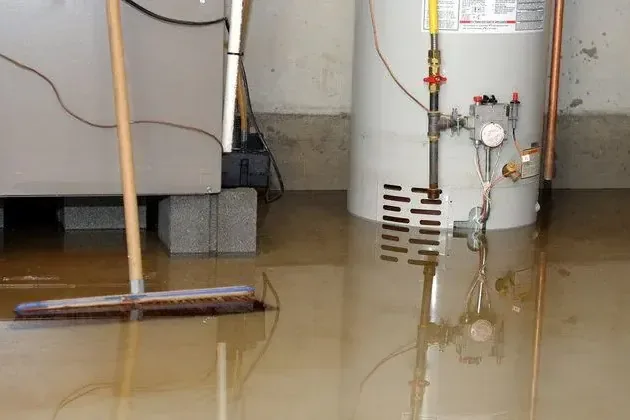 Water Heater Leak Cleanup in Lincoln ParkWater heater cleanup removes escaped water and dries the surrounding building materials. A qualified equipment professional addresses the heater and its energy supply; the restoration contractor handles wet floors, walls and adjoining spaces.
 Hardwood Floor Water Damage in Lincoln ParkHardwood restoration evaluates moisture across the floor assembly, including board surfaces, backing and subfloor access. Salvage depends on contamination, attachment, distortion and whether the affected layers can dry without leaving concealed moisture.
Appliance Leak Water Damage in CaldwellAppliance cleanup addresses escaped water from supply connections, drains and equipment failures. The water source affects contamination decisions, while the cabinet and floor construction determine how technicians reach and dry concealed moisture.
Appliance leak water damage in Lincoln Park, NJ
Lincoln Park appliance cleanup assessments include kitchens, laundry areas and connected rooms, with occupant coordination when water crosses into an adjoining dwelling or shared building space.
The same service nearby: appliance leak water damage in Caldwell, Totowa, North Caldwell.
Water damage restoration in Lincoln Park · every town coveredAppliance Leak Water Damage questions
Why does the appliance cycle matter?
A leak during filling can have a different exposure history from used water escaping during discharge. That distinction helps determine cleaning and material handling. Describe what the machine was doing, along with any detergent or debris visible in the released water.
Can the machine be run again to locate the leak?
Repeated operation can send more water into flooring and cabinets. Keep the appliance idle and arrange diagnosis instead. Photographs and the original operating sequence can help explain the problem without deliberately recreating a spill that may have already reached hidden materials.
Does drying the visible floor protect the cabinets?
Cabinet bases and toe spaces can retain moisture separately from the open floor. Their materials and construction affect drying access. Inspection should include the recess and adjacent lower panels, especially where swelling or moisture is visible at a seam.
Who should move a connected dishwasher or washer?
Movement should be coordinated with someone able to handle its connections and protect the floor safely. Pulling the unit without that planning can create another leak or damage a connection. Restoration access and equipment service should be sequenced together.
What if water reached another apartment?
The responsible occupants or manager need to coordinate access to the connected space. Moisture checks should follow the spread into walls, flooring or ceilings there. A source-room cleanup alone leaves uncertainty about materials outside the first dwelling's visible wet boundary.
Can used wash water be treated as a clean spill?
The operating cycle, contents and surfaces contacted affect the cleanup approach. Used discharge may require different cleaning and removal decisions than fresh supply water. Assessment should establish that history before choosing ordinary drying methods or retaining absorbent materials.
When can the recess be closed or covered again?
The source should be corrected and retained materials assessed for readiness before access is blocked. Keep photographs and moisture records for the concealed area. Reinstalling equipment or trim too early can hide a damp surface that still needs drying or repair.
Reach the wet recess before resetting the room
Coordinate appliance repair with cabinet and floor assessment, then confirm that concealed materials are ready before equipment and finishes return to their usual positions.
(888) 471-9821Plan appliance-area restorationCaldwell Water Damage Restoration
Caldwell, NJ and nearby Essex County
(888) 471-9821 · open 24/7
Water and sewage losses only
Find us on Google