Water Heater Leak Cleanup in Lincoln Park
A tank-area puddle can pass beneath partitions before anyone notices a wet adjoining room. Lincoln Park water heater cleanup separates equipment isolation from the inspection and drying of materials that absorbed the release.
(888) 471-9821Explain water around the tank- Equipment safety
- Utility room inspection
- Adjacent floor moisture
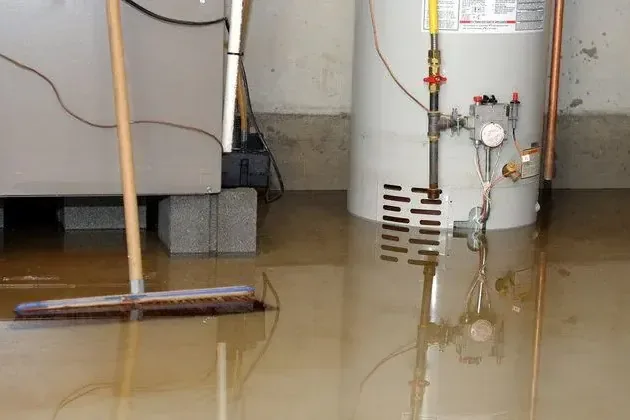
First steps for water heater leak cleanup
- Keep clear of wet controls. Do not reach through standing water to operate the heater or nearby electrical equipment. Describe the utility setup and request appropriate help with safe equipment isolation.
- Identify the puddle's outer edge. From a dry position, note whether water has reached a doorway, wall base or storage area. The outer boundary helps establish which adjoining spaces need inspection.
- Protect reachable dry storage. Move dry belongings away from the spread only where footing and access are safe. Leave saturated heavy boxes or items around equipment for coordinated handling during cleanup.
- Coordinate equipment access with cleanup. Tell the assessor when a plumber plans to remove or replace the heater. Access behind the unit can help reveal moisture that would otherwise remain difficult to evaluate.
How water heater leak cleanup is handled
Establish safe equipment and room conditions
Assessment begins with the leak status and any hazards around the heater. The plumbing or equipment work is identified separately from restoration so isolation responsibilities are clear. Visible water boundaries, storage contents and adjoining rooms are recorded before extraction changes the appearance of the utility space.
Recover liquid around the installation
Accessible water is removed while maintaining a safe work route around the equipment. Nearby contents and wall bases are evaluated for absorption. Where the heater is being removed, the cleanup sequence takes advantage of newly available access to inspect the floor and surfaces previously hidden behind it.
Follow moisture through partitions and flooring
Measurements extend into adjoining areas when water crossed under a wall or through a doorway. A finish that looks intact may still conceal a damp backing or substrate. Selective access and drying are chosen for the retained materials rather than limited to the original tank footprint.
What does water heater leak cleanup cost in Lincoln Park, NJ?
Water heater cleanup in Lincoln Park is shaped by the release path and affected materials around the utility area. These planning ranges concern damage restoration. Equipment repair, replacement and any required construction work need separate detail in the estimate.
For a closer planning number, run the water damage cost calculator. The restoration contractor who responds sets the real scope after the walkthrough and the moisture map.
Water Heater Leak Cleanup restoration sequence
- 01
Establish safe equipment and room conditions
Assessment begins with the leak status and any hazards around the heater. The plumbing or equipment work is identified separately from restoration so isolation responsibilities are clear. Visible water boundaries, storage contents and adjoining rooms are recorded before extraction changes the appearance of the utility space.
- 02
Recover liquid around the installation
Accessible water is removed while maintaining a safe work route around the equipment. Nearby contents and wall bases are evaluated for absorption. Where the heater is being removed, the cleanup sequence takes advantage of newly available access to inspect the floor and surfaces previously hidden behind it.
- 03
Follow moisture through partitions and flooring
Measurements extend into adjoining areas when water crossed under a wall or through a doorway. A finish that looks intact may still conceal a damp backing or substrate. Selective access and drying are chosen for the retained materials rather than limited to the original tank footprint.
- 04
Connect completed plumbing with material readiness
The final assessment records both the stopped source and the condition of the surrounding assembly. Remaining moisture concerns, repair openings and finish work are identified before the utility area returns to ordinary storage use. Documentation preserves which tasks were equipment work and which addressed the resulting building damage.
The heater may be the most obvious object in the room, but the damage assessment should follow the water beyond it. A release can reach stored boxes, wall bases and neighboring flooring. Replacing the equipment alone leaves those affected materials outside the plumbing repair scope.
Keep equipment controls with the appropriate professional
Water, hot surfaces and powered equipment can make a utility space unsafe. Describe the leak and any electrical involvement without touching wet controls. A qualified plumbing or equipment professional should determine how the source is isolated and whether the unit requires repair or replacement.
The borough provides a Plumbing Subcode application form, and construction applications describe the proposed project. Coordinate the requirements for the actual heater work with the responsible office. Municipal billing questions belong with the Borough of Lincoln Park Water/Sewer Department, separately from damage cleanup.
Inspect the adjoining room through its own entrance
Near Ryerson Road, Main Street or West Pinebrook Road, a useful assessment still starts inside the building: identify the heater location and inspect the dry side of adjacent partitions. A damp carpet edge or swelling trim may reveal where water traveled beneath the wall.
- Check stored paper goods before moving wet containers.
- Photograph water reaching a doorway or floor joint.
- Identify furnishings blocking access to the tank area.
- Report any continuing release after equipment attention.
Keep the replacement schedule connected to drying
Equipment removal can expose hidden moisture below or behind the heater. Use that access to evaluate the supporting floor and surrounding materials before replacement limits reach again.
Drying retained building layers may continue after the heater is repaired. A coordinated handoff identifies the source correction, remaining damp surfaces and any finish replacement that must wait for material readiness.
Safety planning starts with Ready.gov flood precautions; household water-use checks appear at EPA WaterSense.
Related water damage services in Lincoln Park
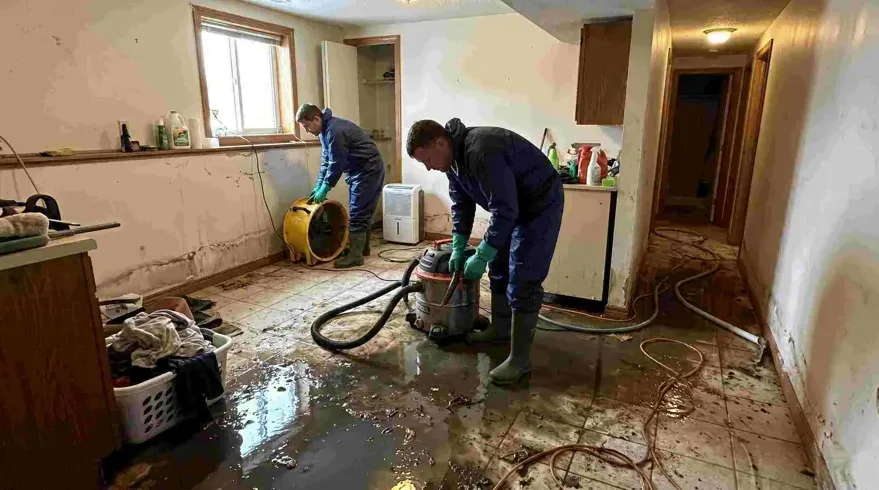 Water Extraction in Lincoln ParkExtraction removes liquid water before dehumidifiers manage the moisture left in materials. Crews choose pumps, wands and vacuum tools around water depth, contamination and the surfaces that need protection.
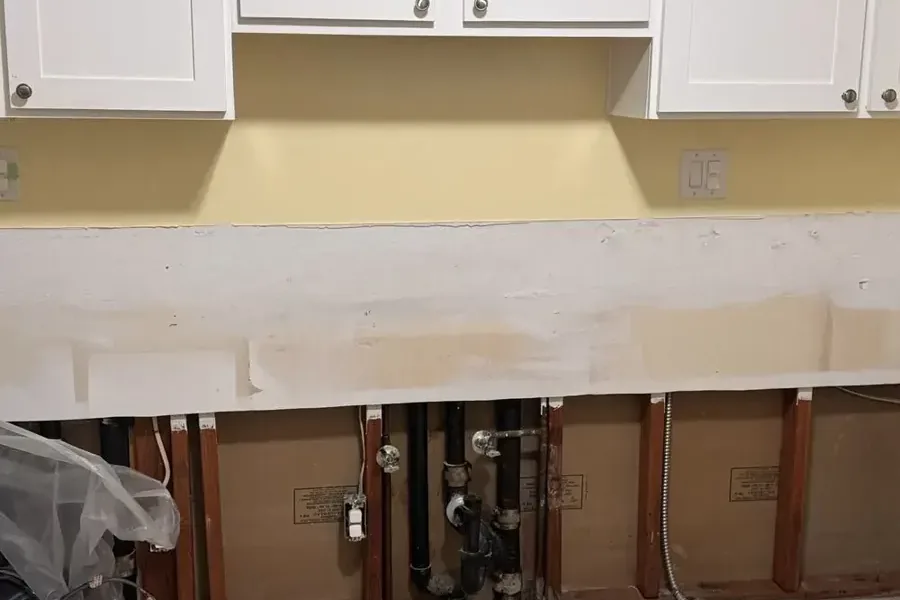 Appliance Leak Water Damage in Lincoln ParkAppliance cleanup addresses escaped water from supply connections, drains and equipment failures. The water source affects contamination decisions, while the cabinet and floor construction determine how technicians reach and dry concealed moisture.
Water Heater Leak Cleanup in CaldwellWater heater cleanup removes escaped water and dries the surrounding building materials. A qualified equipment professional addresses the heater and its energy supply; the restoration contractor handles wet floors, walls and adjoining spaces.
Water heater leak cleanup in Lincoln Park, NJ
Lincoln Park utility-room assessments follow water from the heater area into adjoining rooms, storage spaces and floor layers, with equipment access and safe isolation considered first.
The same service nearby: water heater leak cleanup in Caldwell, Totowa, North Caldwell.
Water damage restoration in Lincoln Park · every town coveredWater Heater Leak Cleanup questions
Does a puddle mean the tank itself failed?
Water may come from the tank, a connection or another nearby component. Equipment diagnosis should identify the source before replacement decisions are made. Cleanup still needs to assess the water path and affected materials, even when the eventual repair is limited to a connection.
Should the heater be moved to dry beneath it?
Moving equipment requires appropriate professional coordination. If removal is part of the plumbing work, the exposed area can be assessed before replacement. Do not shift the unit or disturb its connections simply to improve airflow around a wet floor.
Can a concrete utility floor be ignored after mopping?
The surrounding wall bases, contents and connected floor coverings may have absorbed water. A concrete surface also needs assessment where coverings or concealed layers are present. After mopping, inspect adjacent materials for retained moisture before returning the utility area to use.
Who handles a water account question after a leak?
Municipal water and sewer billing is handled by the Borough of Lincoln Park Water/Sewer Department. Keep that conversation separate from plumbing diagnosis and restoration scope. Billing records do not replace inspection of the equipment or the rooms affected by its release.
Is a permit always required for heater replacement?
The applicable process depends on the actual project. The borough provides a Plumbing Subcode form and requires project descriptions for construction applications. Confirm the requirements for the proposed work with the responsible office rather than assuming every replacement follows an identical process.
Why inspect the other side of the utility wall?
Water can travel beneath a partition and wet flooring that is hidden from the heater side. Checking the adjoining room helps define that spread. Trim, carpet edges and floor seams may provide clues even when no puddle remains around the equipment.
Can dry belongings go back immediately after extraction?
Storage should wait until access, cleaning and remaining material moisture have been addressed. Boxes placed against damp wall bases can absorb water or block drying. The handoff should explain which parts of the utility area are ready and which still need equipment or repair access.
Recover the space around the repaired heater
Keep adjoining walls, flooring and storage in the cleanup scope so equipment replacement does not leave absorbed water untreated behind the installation.
(888) 471-9821Plan tank-area material recoveryCaldwell Water Damage Restoration
Caldwell, NJ and nearby Essex County
(888) 471-9821 · open 24/7
Water and sewage losses only
Find us on Google