Roof Leak Water Damage in Lincoln Park
Rain can enter high in a building and appear far from the opening. Roof leak cleanup in Lincoln Park follows wet attic and ceiling materials while safe roof repair addresses the point of entry.
(888) 471-9821Explain where rain appeared indoors- Rain entry tracing
- Attic material checks
- Interior drying scope
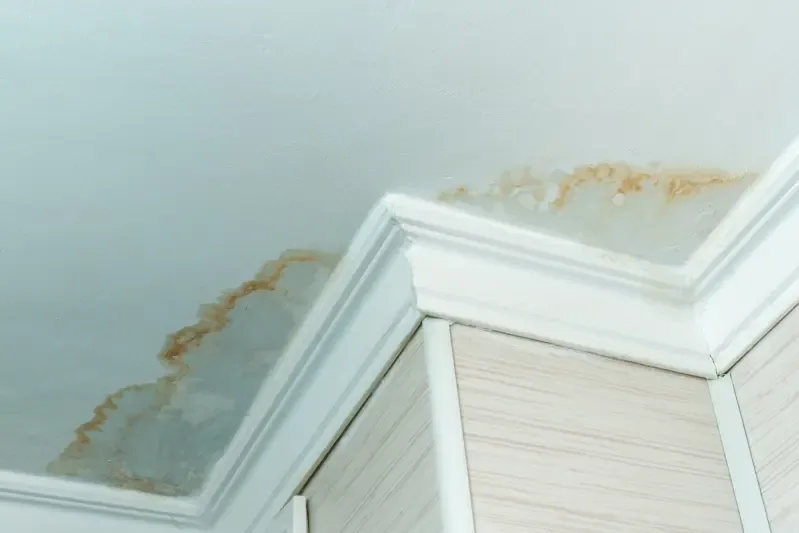
First steps for roof leak water damage
- Observe from occupied rooms. Photograph visible dripping or stains from stable flooring. Do not climb into a wet attic or onto the roof to improve the view of the suspected opening.
- Arrange roof source attention. Explain the rain timing and any known roof defect to the appropriate repair professional. Interior restoration needs a plan that prevents renewed water entry during drying.
- Clear vulnerable space below. Keep occupants and belongings away from overhead material that is sagging, separating or shedding debris. Report wet fixtures or wiring before using the affected room normally.
- Preserve the incident sequence. Keep notes on rainfall, temporary protection and later changes in the stain. The sequence helps connect the roof repair with material assessment and any further drying needs.
How roof leak water damage is handled
Relate indoor signs to roof repair findings
Assessment records the rainfall timing, affected rooms and any temporary protection already in place. Roofing findings help establish the entry point, while interior readings identify the materials that absorbed the water. Neither part replaces the other when planning a complete recovery sequence for the building.
Establish safe attic and room access
Access is evaluated before anyone approaches wet overhead assemblies. The work plan accounts for unsupported attic surfaces, electrical components and unstable finishes below. Contents protection and controlled openings allow the affected layers to be inspected without treating the entire occupied room as an unplanned work area.
Address insulation and retained framing
Saturated or obstructing materials are evaluated for removal, and the retained assembly receives directed drying. Measurements follow relevant framing and adjacent surfaces as conditions change. Equipment placement responds to access and material findings rather than simply pointing air at the original stain.
What does roof leak water damage cost in Lincoln Park, NJ?
Roof leak restoration in Lincoln Park depends on the wet interior path, attic accessibility and materials that require opening. These planning ranges cover damage complexity. Roof repair, temporary protection and finish reconstruction should be distinguished within the overall proposed work.
For a closer planning number, run the water damage cost calculator. The restoration contractor who responds sets the real scope after the walkthrough and the moisture map.
Roof Leak Water Damage restoration sequence
- 01
Relate indoor signs to roof repair findings
Assessment records the rainfall timing, affected rooms and any temporary protection already in place. Roofing findings help establish the entry point, while interior readings identify the materials that absorbed the water. Neither part replaces the other when planning a complete recovery sequence for the building.
- 02
Establish safe attic and room access
Access is evaluated before anyone approaches wet overhead assemblies. The work plan accounts for unsupported attic surfaces, electrical components and unstable finishes below. Contents protection and controlled openings allow the affected layers to be inspected without treating the entire occupied room as an unplanned work area.
- 03
Address insulation and retained framing
Saturated or obstructing materials are evaluated for removal, and the retained assembly receives directed drying. Measurements follow relevant framing and adjacent surfaces as conditions change. Equipment placement responds to access and material findings rather than simply pointing air at the original stain.
- 04
Check the handoff to finish work
The final interior assessment records remaining moisture concerns and the status of roof correction. Rebuilding proceeds only with a clear understanding of source protection and material readiness. Documentation connects open-assembly photographs with completed work so later finish repairs do not obscure unresolved water entry.
A stain that returns during rain should prompt an inspection of the whole entry path. Water can run along roof framing before soaking insulation or emerging at a ceiling joint. The room symptom and the roof opening may occupy different parts of the building.
Keep access safe while the weather changes
Residents should not climb onto a wet roof or walk across unsupported attic surfaces to find a drip. Safe roof access and temporary protection belong with the appropriate roofing work. Interior assessment can begin with photographs and observations taken from stable occupied areas.
Borough flood information names Route 202, Jacksonville Road and Beaverbrook Road as access routes. During wider weather disruption, current road conditions and building power affect the cleanup plan. Describe any restriction along with the interior room where rain first became visible.
Inspect wet insulation before closing the ceiling
Insulation can retain water against adjacent materials and obstruct drying access. A ceiling stain alone does not describe how far that wetting extends. Inspection follows the attic side where accessible and checks affected room finishes below, with removal decisions based on condition and reach.
- Record whether the stain changes during each rainfall.
- Keep people away from softened or sagging ceiling finishes.
- Identify roof protection already installed by the repair contractor.
- Check nearby wall tops where water may have traveled.
Connect source correction with interior completion
Drying equipment cannot compensate for rain repeatedly entering an open roof defect. The sequence should establish how renewed wetting will be prevented, then track the condition of framing and finishes that remain inside.
Affected overhead rooms may also need ceiling material recovery. Where reconstruction requires a permit, borough applications describe the project and permitted work receives inspections. Keep that construction sequence separate from the immediate need to protect the building and dry the wet assembly.
Safety planning starts with Ready.gov flood precautions; household water-use checks appear at EPA WaterSense.
Related water damage services in Lincoln Park
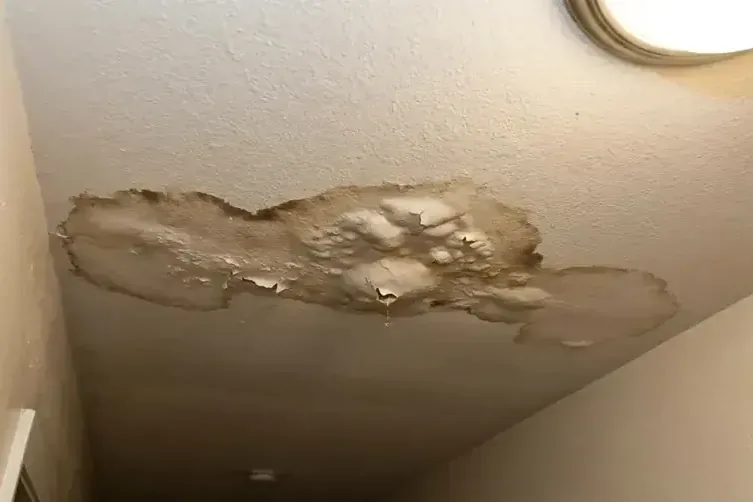 Ceiling Leak Water Damage in Lincoln ParkCeiling cleanup addresses wet drywall, insulation and framing after an overhead release. The source may sit in a bathroom, supply pipe or another space above the stain, so inspection follows the water path.
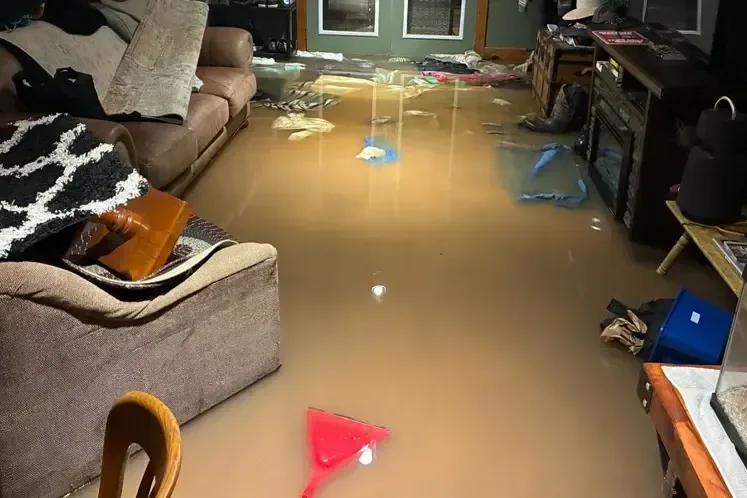 Storm Flood Cleanup in Lincoln ParkStorm flood cleanup addresses water that enters from outside at doors, lower openings or other access points. The crew treats the affected space as contaminated and plans removal, cleaning and drying around safe entry.
Roof Leak Water Damage in CaldwellRoof-leak restoration treats the interior water damage beneath a failed roof detail. Roofing work controls rain entry; the mitigation scope checks decking, insulation, framing and room finishes that have absorbed water.
Roof leak water damage in Lincoln Park, NJ
Roof leak damage assessments in Lincoln Park address interior rooms and accessible attic assemblies, with roof repair coordination and current building access considered before drying work begins.
The same service nearby: roof leak water damage in Caldwell, Totowa, North Caldwell.
Water damage restoration in Lincoln Park · every town coveredRoof Leak Water Damage questions
Why is the stain away from the roof defect?
Water can follow framing, sheathing surfaces or joints before reaching an absorbent ceiling layer. The visible mark may therefore be offset from the opening. Roof diagnosis and interior moisture tracing need to be considered together when defining the repair and drying boundaries.
Should attic insulation be left to air dry?
Its condition, saturation and access determine whether retention is practical. Wet insulation can hold moisture against other materials and prevent effective drying. Inspection should explain what can remain and how its condition will be checked before the ceiling or attic assembly is closed.
Can interior drying start before permanent roof repair?
A workable sequence requires protection against additional rain entry. Temporary measures and permanent repair timing should be coordinated with the roof professional. Interior work can then be planned around actual protection and access conditions, rather than assuming the source has been permanently corrected.
Does a recurring stain mean drying failed?
A returning stain may reflect renewed water entry, remaining moisture or finish discoloration. Its timing and material readings help distinguish those possibilities. Report changes after rainfall and retain the roof repair record so the next assessment follows the evidence at the building.
Is a wet attic safe to inspect personally?
Wet surfaces, unsupported areas and electrical components can make attic entry unsafe. Observations from stable occupied rooms are enough for the initial conversation. Appropriate access planning should precede closer inspection rather than asking an occupant to search for the leak inside the attic.
Will all ceiling finishes need replacement?
The scope depends on integrity, contamination and drying access. Some retained materials may dry successfully; weakened or obstructing layers may require removal. The assessment should identify the reason for each opening and distinguish water damage work from optional decorative changes.
What should be recorded during another rainfall?
From a safe location, note when dripping begins, where it appears and whether existing marks expand. Do not approach unsafe ceilings or roof areas. These observations help connect ongoing entry with the roof repair plan and show whether additional rooms need assessment.
Close the entry path before closing the ceiling
Roof correction and interior drying need a shared sequence so retained framing and replacement finishes are protected from another release during the recovery work.
(888) 471-9821Coordinate rain damage recoveryCaldwell Water Damage Restoration
Caldwell, NJ and nearby Essex County
(888) 471-9821 · open 24/7
Water and sewage losses only
Find us on Google