Burst Pipe Water Damage in Lincoln Park
A pipe break can keep feeding damage while the first puddle spreads. Lincoln Park borough instructions put main supply shutoff first, followed by professional plumbing attention and assessment of the rooms reached by water.
(888) 471-9821Explain the pipe break damage- Supply isolation
- Spray path inspection
- Connected room drying
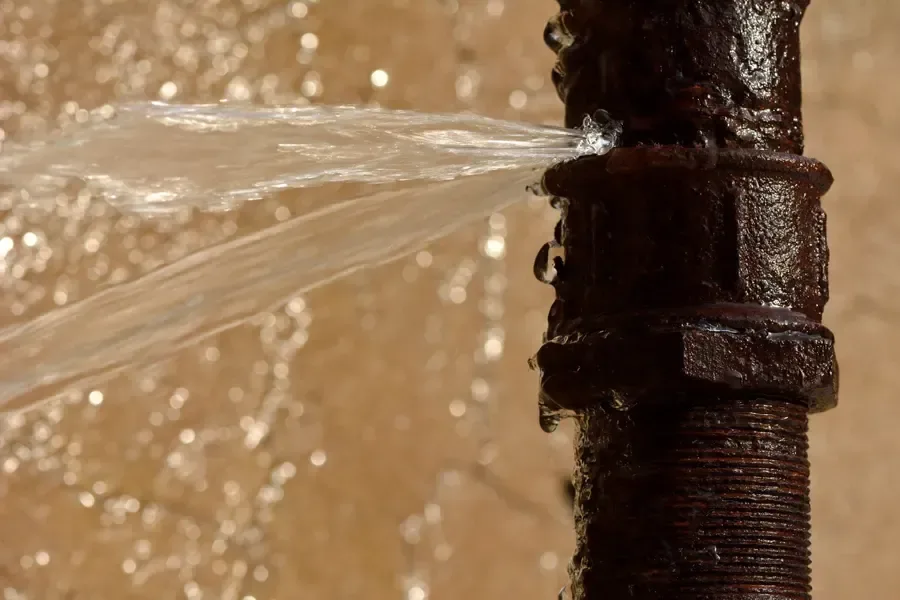
First steps for burst pipe water damage
- Locate safe isolation access. Identify the main valve or accessible fixture shutoff without crossing wet electrical areas. If access is unsafe, keep the room clear and request appropriate help with isolation.
- Describe the spray direction. Note where water struck walls, cabinetry or ceiling surfaces while the pipe was leaking. Those observations can direct inspection toward cavities beyond the largest visible puddle.
- Protect dry household contents. Move reachable dry belongings away from the wet boundary. Leave heavy items and unstable materials for planned handling rather than pulling them across saturated flooring or an unsafe opening.
- Coordinate the repair opening. Tell the plumber and cleanup assessor which surfaces have already been opened. Keeping the access plan connected avoids closing a cavity before its wet materials have been evaluated.
How burst pipe water damage is handled
Confirm that inflow has stopped
The initial assessment records the shutoff condition and plumbing repair status. Continued dripping from stored cavity water is distinguished from an active supply release. Electrical and overhead hazards are identified so extraction and opening work can proceed through a safe part of the room.
Map the pressure-driven wetting
Inspection follows both direct spray and gravity runoff. Cabinets, floor thresholds and the room below may need attention even when their visible surfaces appear intact. Measurements define the affected boundary and provide a basis for selecting which materials require closer access.
Remove water and expose saturation
Accessible liquid is recovered, then unsalvageable or obstructing wet layers are addressed as the scope requires. Selective openings provide a path for drying rather than merely a convenient repair patch. Contents handling is planned around the work area to avoid transferring moisture into dry rooms.
What does burst pipe water damage cost in Lincoln Park, NJ?
Burst pipe cleanup in Lincoln Park is priced around the affected assembly and spread, not simply the size of the broken fitting. Room connections, wet insulation and floor access influence these planning ranges. Plumbing repair and reconstruction should be identified separately.
For a closer planning number, run the water damage cost calculator. The restoration contractor who responds sets the real scope after the walkthrough and the moisture map.
Burst Pipe Water Damage restoration sequence
- 01
Confirm that inflow has stopped
The initial assessment records the shutoff condition and plumbing repair status. Continued dripping from stored cavity water is distinguished from an active supply release. Electrical and overhead hazards are identified so extraction and opening work can proceed through a safe part of the room.
- 02
Map the pressure-driven wetting
Inspection follows both direct spray and gravity runoff. Cabinets, floor thresholds and the room below may need attention even when their visible surfaces appear intact. Measurements define the affected boundary and provide a basis for selecting which materials require closer access.
- 03
Remove water and expose saturation
Accessible liquid is recovered, then unsalvageable or obstructing wet layers are addressed as the scope requires. Selective openings provide a path for drying rather than merely a convenient repair patch. Contents handling is planned around the work area to avoid transferring moisture into dry rooms.
- 04
Verify the assembly before repair finishes
Drying progress is tracked at the materials that absorbed the release. Equipment placement changes when readings show an area needs different access or airflow. The final record should connect the repaired source, material condition and remaining construction tasks before walls or floors are closed.
The loud part of a pipe rupture may end at the valve, but the wetting can continue as water drains from wall cavities. Record the rooms affected before assuming the nearest puddle represents the whole loss. Pressurized water can reach materials above and beside the break.
Use the shutoff only from a safe position
Borough frozen-pipe instructions direct a property owner to close the main water supply after a burst and note that the valve is often near the water meter. If reaching it means crossing standing water or touching wet electrical equipment, keep clear and explain that access problem.
On Comly Road, Beaverbrook Road or Ryerson Road, the same practical intake details matter: which room contains the break, whether the supply is isolated and which adjoining surfaces became wet. These road references help describe location without predicting any property's plumbing condition.
Separate the pipe repair from room recovery
A plumber identifies and repairs the failed section. Restoration then addresses soaked insulation, wallboard edges and floor layers. The opening needed to reach the pipe may not expose every wet cavity, so inspection should extend along the water path before a repair patch closes the wall.
- Check the back of cabinets adjacent to the release.
- Inspect ceilings below upper-floor plumbing where runoff traveled.
- Keep removed wet materials separate from dry household contents.
- Record source repair work alongside room moisture measurements.
Make the closing decision with material readings
Painting over a stain cannot remove moisture inside a wall. A useful drying plan identifies which materials remain, where measurements will be taken and what conditions must be met before reconstruction.
For water beneath a finished floor, floor assembly assessment may be needed alongside wall drying. Permit scope also matters when the repair becomes an alteration: borough construction applications describe the work, and permitted construction receives inspections before final completion.
Safety planning starts with Ready.gov flood precautions; household water-use checks appear at EPA WaterSense.
Related water damage services in Lincoln Park
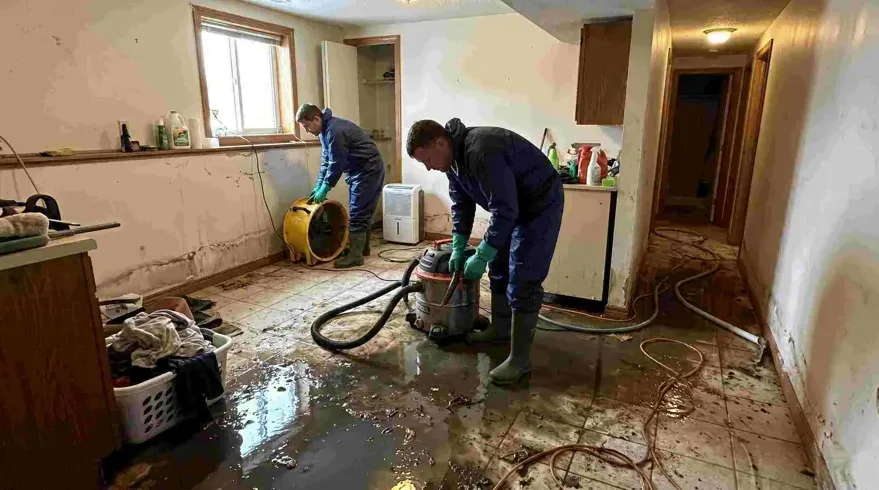 Water Extraction in Lincoln ParkExtraction removes liquid water before dehumidifiers manage the moisture left in materials. Crews choose pumps, wands and vacuum tools around water depth, contamination and the surfaces that need protection.
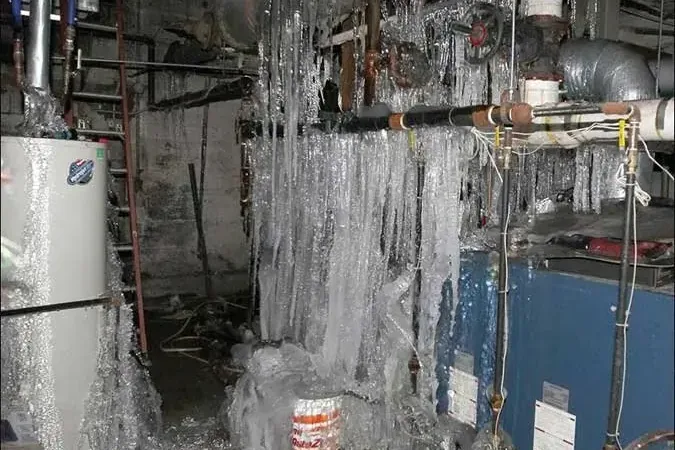 Frozen Pipe Water Damage in Lincoln ParkFrozen-pipe restoration addresses escaped water after cold exposure damages a supply pipe or fitting. Plumbing professionals inspect and repair the source while the mitigation crew checks wet cavities, floors and adjoining rooms.
Burst Pipe Water Damage in CaldwellBurst-pipe cleanup follows pressurized water through cavities, floor openings and room edges. A plumber repairs the damaged pipe while restoration technicians remove escaped water and establish a drying plan for connected materials.
Burst pipe water damage in Lincoln Park, NJ
Burst pipe assessments serve homes and occupied buildings in Lincoln Park, with the affected room, shutoff status and any adjoining wet spaces identified before work begins.
The same service nearby: burst pipe water damage in Caldwell, Totowa, North Caldwell.
Water damage restoration in Lincoln Park · every town coveredBurst Pipe Water Damage questions
Where is the main shutoff usually located?
Borough instructions say the main shutoff is often near the water meter. Its actual position varies by property. Reach it only through a safe dry route, and explain any access problem when seeking help instead of entering water around electrical equipment.
Does shutting the valve finish the cleanup?
Isolation prevents additional supply water from feeding the break, but soaked materials may continue releasing water. The surrounding assemblies still require inspection and drying decisions. A repaired pipe can sit inside a damp cavity that needs more work before the wall is closed.
Why inspect a room below the broken pipe?
Water can move through floor penetrations and drain into a ceiling below. The lower room may show a delayed stain or sag even after the original puddle clears. Keep people away from suspect overhead finishes until their condition has been assessed.
Can wet insulation stay inside the wall?
That depends on its material, contamination and saturation. Insulation can obstruct drying of nearby framing, so the decision should follow inspection rather than a desire to avoid an opening. The written scope should explain retained and removed layers clearly.
Will the plumber dry the affected rooms?
Plumbing repair and restoration are distinct tasks that need coordination. The plumber addresses the failed supply component. Water removal, material assessment and measured drying require their own scope so responsibility for the wet room does not remain unclear after the leak stops.
Should all stained wallboard be replaced?
Staining alone does not define the removal boundary. Integrity, contamination and moisture inside the assembly matter. Some areas may remain suitable for drying, while softened or inaccessible saturated layers need removal. Inspection should explain the difference before replacement work begins.
What records help explain this kind of loss?
Keep photographs of the failed component, the room before removal and any opened cavities. Preserve plumbing invoices with drying measurements and material decisions. Together those records describe the source and consequences more clearly than a photograph of the repaired pipe alone.
Plan recovery beyond the repaired fitting
Coordinate pipe repair with room drying, then confirm material conditions before replacement finishes hide the affected cavities and floor layers.
(888) 471-9821Arrange rupture damage assessmentCaldwell Water Damage Restoration
Caldwell, NJ and nearby Essex County
(888) 471-9821 · open 24/7
Water and sewage losses only
Find us on Google