Commercial Water Damage in Clifton
Water in a workplace interrupts more than the affected floor. A restoration plan must account for occupants, stock or records, access permissions and utilities while extraction and material drying proceed within a defined work area.
(888) 471-9821Discuss the business interruption and water- Occupied zone planning
- Contents handling coordination
- Documented building drying
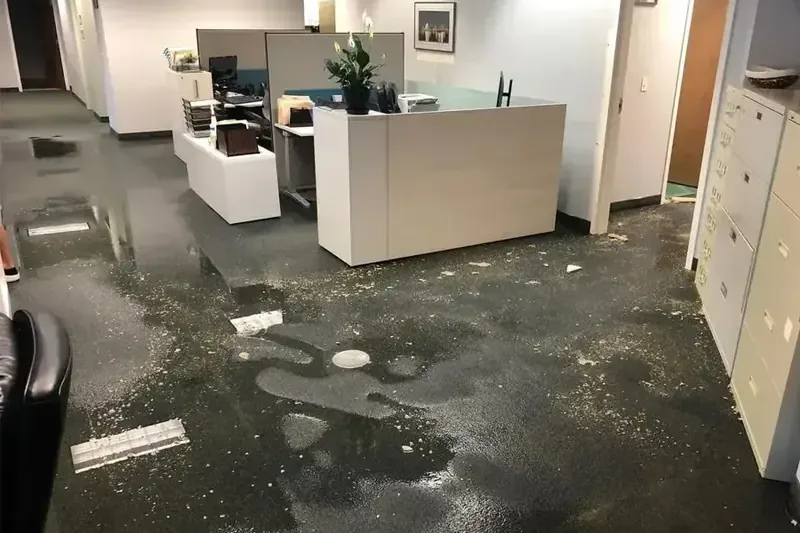
First steps for commercial water damage
- Identify the authorized building contact. A management contact coordinates access, source repair and contents decisions. Clear responsibility organizes adjoining spaces and supplies release information before equipment placement.
- Separate occupants from the wet zone. The affected area needs boundaries that account for utilities, unstable finishes and contamination. Customer or staff movement should not pass through water simply to reach another room that remains visibly dry.
- List sensitive contents by location. Records, stock and equipment require handling decisions suited to the business. Document where they were exposed and identify who can authorize movement before cleanup changes the arrangement of the premises.
- Explain operational priorities early. Essential passageways and equipment access should be discussed before the restoration setup is finalized. Those priorities can shape the sequence while the actual material conditions determine which areas require drying or removal.
How commercial water damage is handled
Establish management and building conditions
The initial conversation identifies authorized contacts, affected rooms and current hazards. Source control, utility status and access permissions determine where work can begin. The assessment records operational priorities alongside the physical water boundary so decisions about occupancy remain connected to conditions inside the premises.
Organize contents and access routes
Stock, records and equipment are documented before their movement changes the affected area. Handling responsibilities and temporary locations are agreed with management. Extraction equipment and discarded materials need routes that preserve usable exits and avoid transferring water or contamination into protected parts of the business.
Restore the affected assemblies
Water removal, cleaning and selective material access follow the actual source and contact conditions. The drying setup is arranged around retained wall and floor layers. Work can be sequenced by area where practical, provided separation does not conceal moisture or interfere with safe access to connected assemblies.
What does commercial water damage cost in Clifton, NJ?
Commercial cleanup pricing in Clifton depends on occupied zones, affected contents and the extent of wet assemblies. The written scope should define extraction, handling, cleaning and drying, with source repairs, specialized contents work and reconstruction identified separately where they are required.
For a closer planning number, run the water damage cost calculator. The restoration contractor who responds sets the real scope after the walkthrough and the moisture map.
Commercial Water Damage restoration sequence
- 01
Establish management and building conditions
The initial conversation identifies authorized contacts, affected rooms and current hazards. Source control, utility status and access permissions determine where work can begin. The assessment records operational priorities alongside the physical water boundary so decisions about occupancy remain connected to conditions inside the premises.
- 02
Organize contents and access routes
Stock, records and equipment are documented before their movement changes the affected area. Handling responsibilities and temporary locations are agreed with management. Extraction equipment and discarded materials need routes that preserve usable exits and avoid transferring water or contamination into protected parts of the business.
- 03
Restore the affected assemblies
Water removal, cleaning and selective material access follow the actual source and contact conditions. The drying setup is arranged around retained wall and floor layers. Work can be sequenced by area where practical, provided separation does not conceal moisture or interfere with safe access to connected assemblies.
- 04
Report readiness and remaining repairs
Progress records identify material readings, completed tasks and areas still restricted. The closing handoff explains the condition of retained assemblies and any openings left for repairs. Management can then coordinate the next work stage using documented results rather than a visual judgment that the premises appears usable again.
A workplace loss needs a usable plan for the building and the people who rely on it. Water removal can conflict with customer routes, stock movement and equipment access unless those needs are identified early. The assessment should separate the affected zone from any space that management hopes to keep occupied.
Retail and office settings ask different questions
Clifton Commons is a shopping center near Route 3, while Styertowne contains a shopping plaza of the same name. A retail premises assessment needs details about affected stock, display fixtures and entrances. Equipment and wet material handling should follow a route that does not interfere with protected goods or usable exits.
Clifton Avenue includes low-rise offices with legal, accounting and medical tenants. In that setting, records, workstations and scheduled occupancy may shape the contents plan. The restoration scope should identify who can authorize movement and access, while keeping decisions about sensitive business materials with the appropriate management contact.
Build the work boundary around actual conditions
Allwood is a business district along Route 3. An affected space there may have water in one room or across several connected areas. Utilities, contamination and overhead stability determine whether separation is practical. Ordinary activity should not continue through a wet passage merely because another part of the premises looks dry.
- Identify essential entrances and passageways before placing drying equipment.
- Record stock and records exposed to water by their location.
- Coordinate access to adjoining tenant or shared building spaces.
- Keep source repair decisions distinct from interior restoration tasks.
Use a repair handoff that management can act on
Each affected assembly needs a documented condition before finishes are replaced. The closing record should describe removal, cleaning and drying results together with any restricted area that remains. Where the loss involves wastewater, sewage cleanup planning adds contamination controls before equipment is arranged for retained material drying.
Safety planning starts with Ready.gov flood precautions; household water-use checks appear at EPA WaterSense.
Related water damage services in Clifton
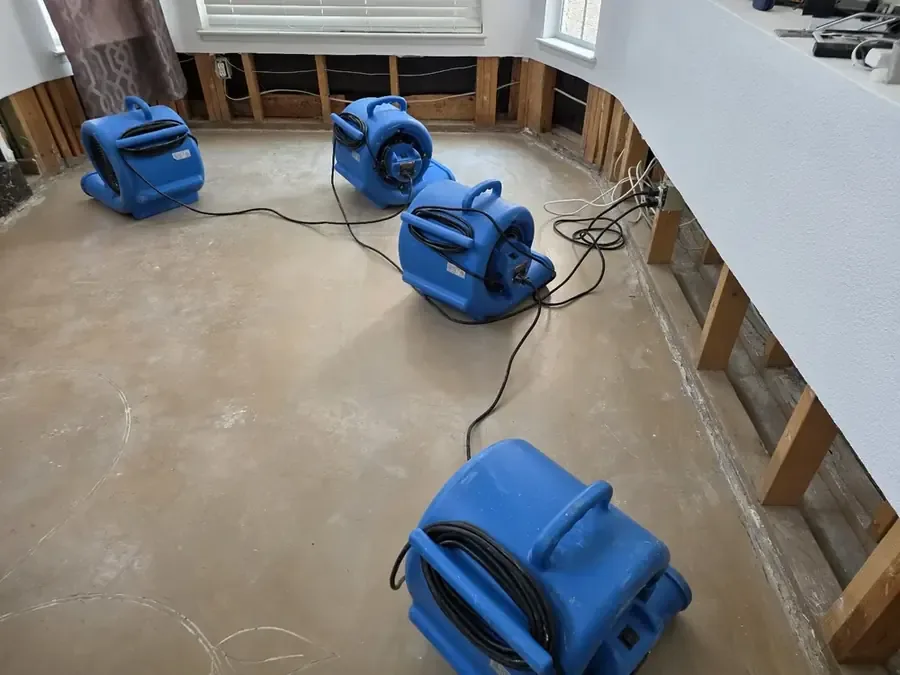 Structural Drying in CliftonStructural drying removes retained moisture from salvageable building materials after source control and extraction. Air movement, dehumidification and temperature management work together, with repeated measurements showing whether the affected assembly is responding.
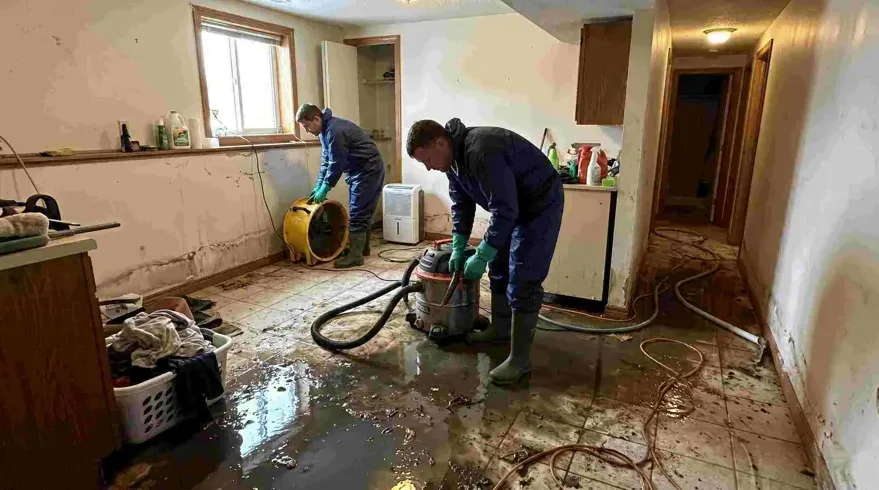 Water Extraction in CliftonExtraction removes liquid water before dehumidifiers manage the moisture left in materials. Crews choose pumps, wands and vacuum tools around water depth, contamination and the surfaces that need protection.
Commercial Water Damage in CaldwellCommercial restoration combines extraction and material drying with access coordination. The contractor identifies wet zones, protects unaffected routes and records work by area so the building contact can understand what remains available and what needs restriction.
Commercial water damage in Clifton, NJ
Clifton business assessments include Allwood, Styertowne and the Clifton Avenue office corridor, with management identifying occupied areas, affected contents and access permissions before work is organized.
The same service nearby: commercial water damage in Caldwell, Woodland Park, Totowa.
Water damage restoration in Clifton · every town coveredCommercial Water Damage questions
Can part of the premises stay open?
Partial use depends on safe separation, utility conditions and the routes needed for cleanup. A dry room may still be inaccessible through a flooded passage. The assessment should explain the work boundary and any restrictions so management can make occupancy decisions around actual conditions.
Who decides how business records are handled?
The appropriate management contact should identify handling permissions and priorities for sensitive records. Restoration planning can document water exposure and access needs while keeping those decisions coordinated. Records should not be moved casually into another work area before their condition and handling route are considered.
Does a small supply leak need a business shutdown?
The effect depends on where water traveled, electrical exposure and whether safe working areas can be separated. The size of the visible puddle alone cannot settle that decision. A clear assessment identifies affected assemblies and practical access before operational arrangements are finalized.
How are shared spaces included in the plan?
A release can affect a shared passage or adjoining occupancy, requiring coordinated access permissions. The assessment should identify those connections and the contact responsible for them. Documentation needs to distinguish the spaces actually affected from areas used only for equipment or material movement.
Can drying equipment move around business hours?
Equipment changes affect the drying environment and need coordination with the restoration plan. Operational needs should be discussed early so a workable setup can be selected. Any later interruption or repositioning belongs in the record alongside the material readings used to assess progress.
What changes when wastewater is involved?
Wastewater contact adds contamination controls, porous material decisions and cleaning before drying. Occupants should remain outside the affected boundary, with removal routes protecting other areas. The work sequence and reopening discussion need to account for those conditions rather than only the amount of standing water.
What documentation helps with the next contractor?
The handoff should identify affected rooms, removed materials, cleaning work and the drying result for retained assemblies. Remaining openings and access limitations also matter. These details allow repair contractors and management to understand what is ready and what further work is still required.
Give management a usable restoration handoff
The record should connect completed cleanup tasks with material conditions and remaining repairs so the next stage can be organized around the actual premises.
(888) 471-9821Plan the occupied space cleanupCaldwell Water Damage Restoration
Caldwell, NJ and nearby Essex County
(888) 471-9821 · open 24/7
Water and sewage losses only
Find us on Google